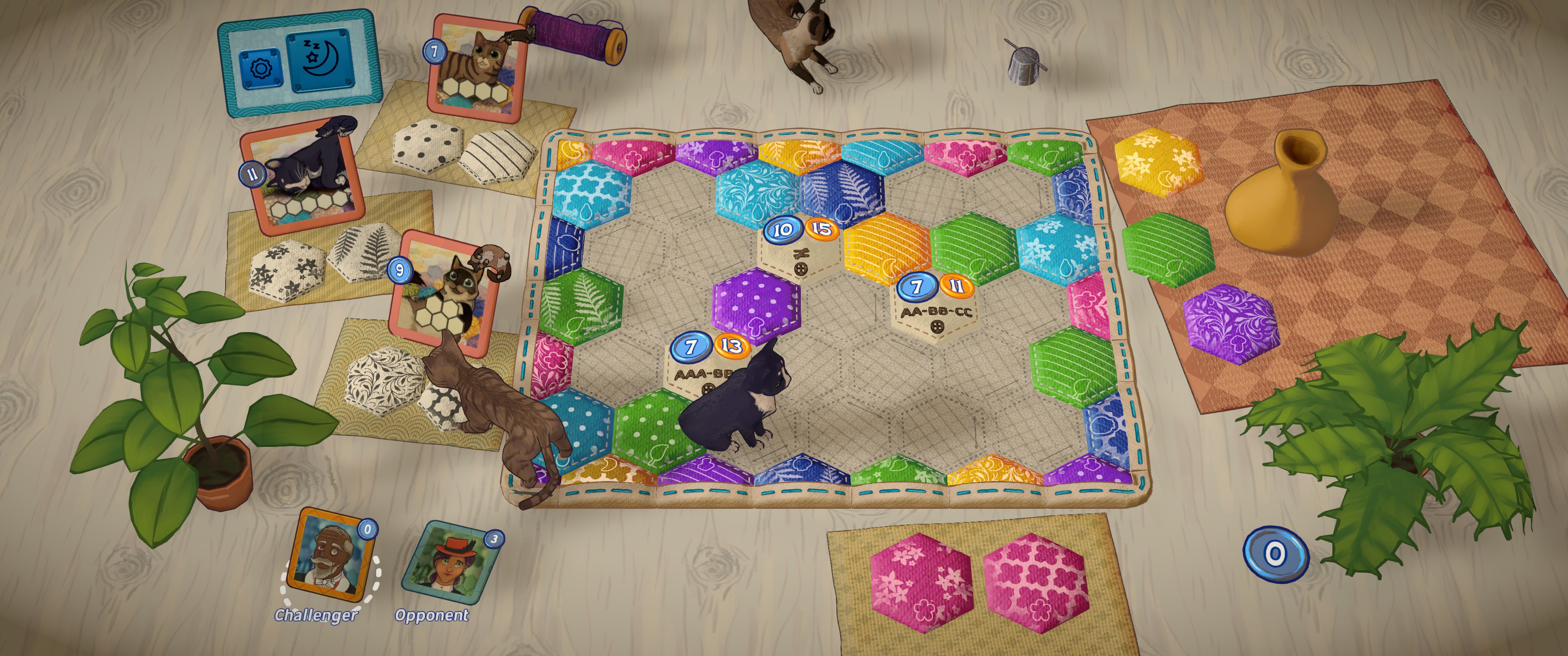
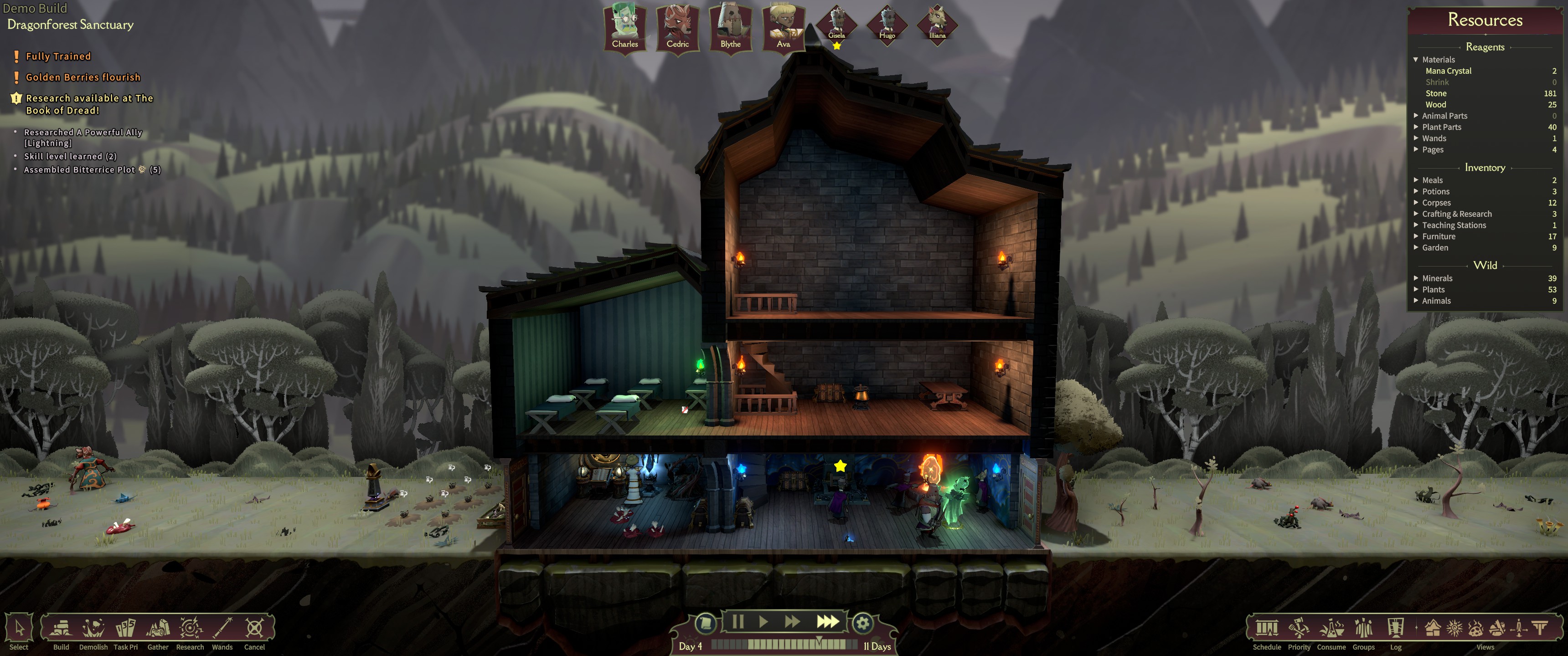
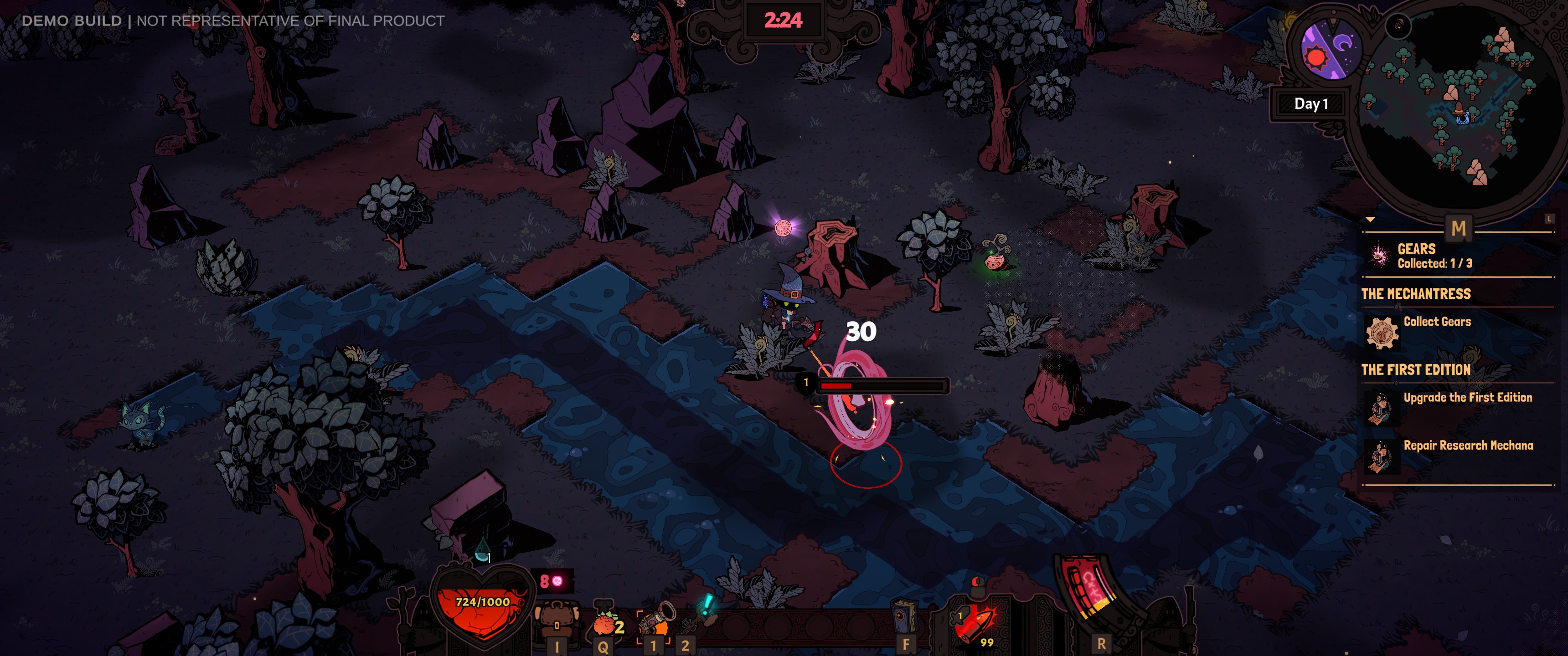
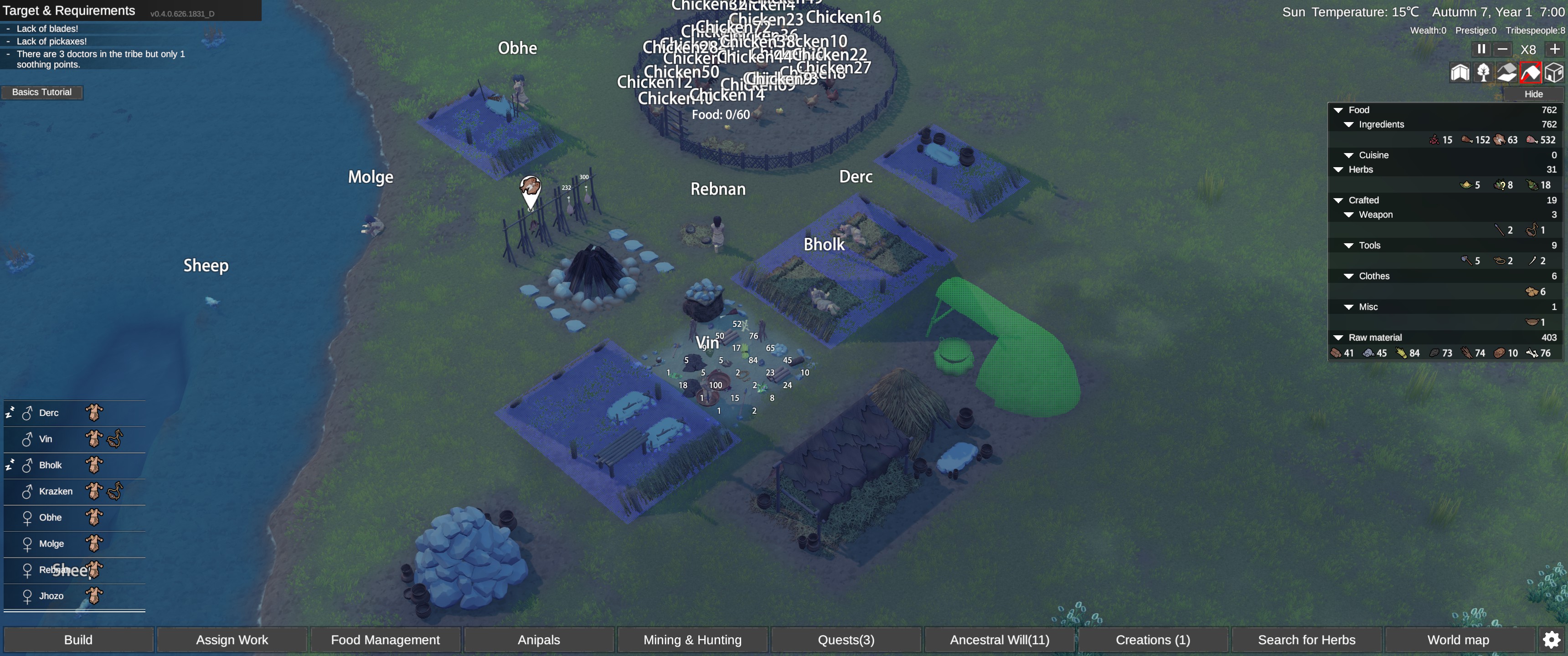
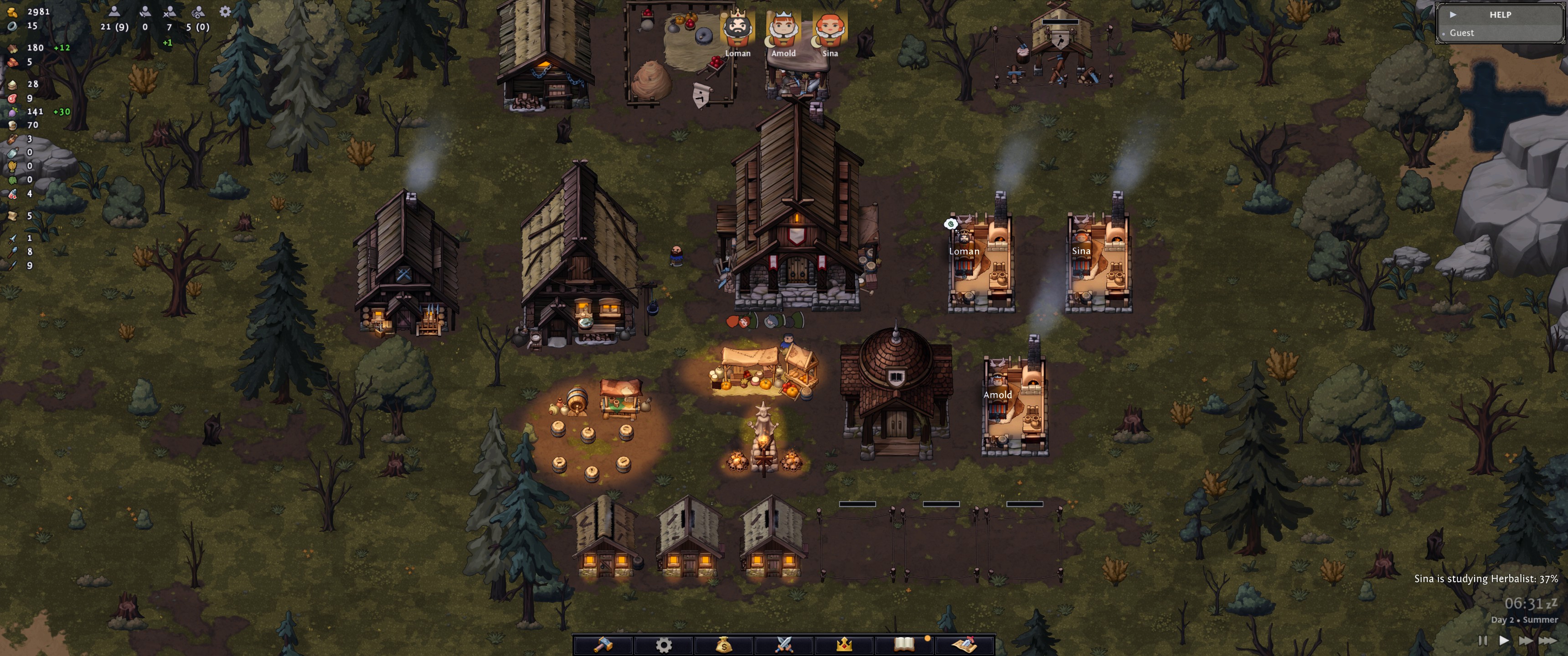
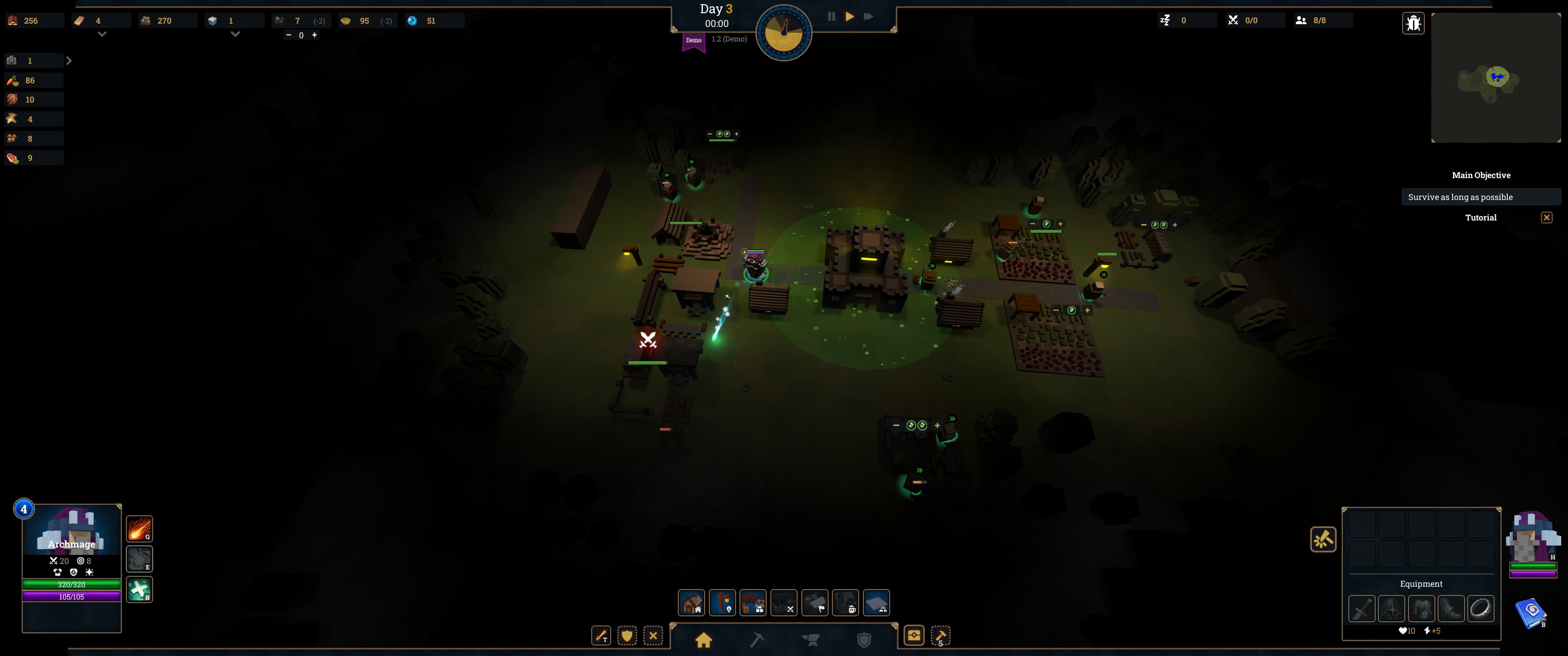
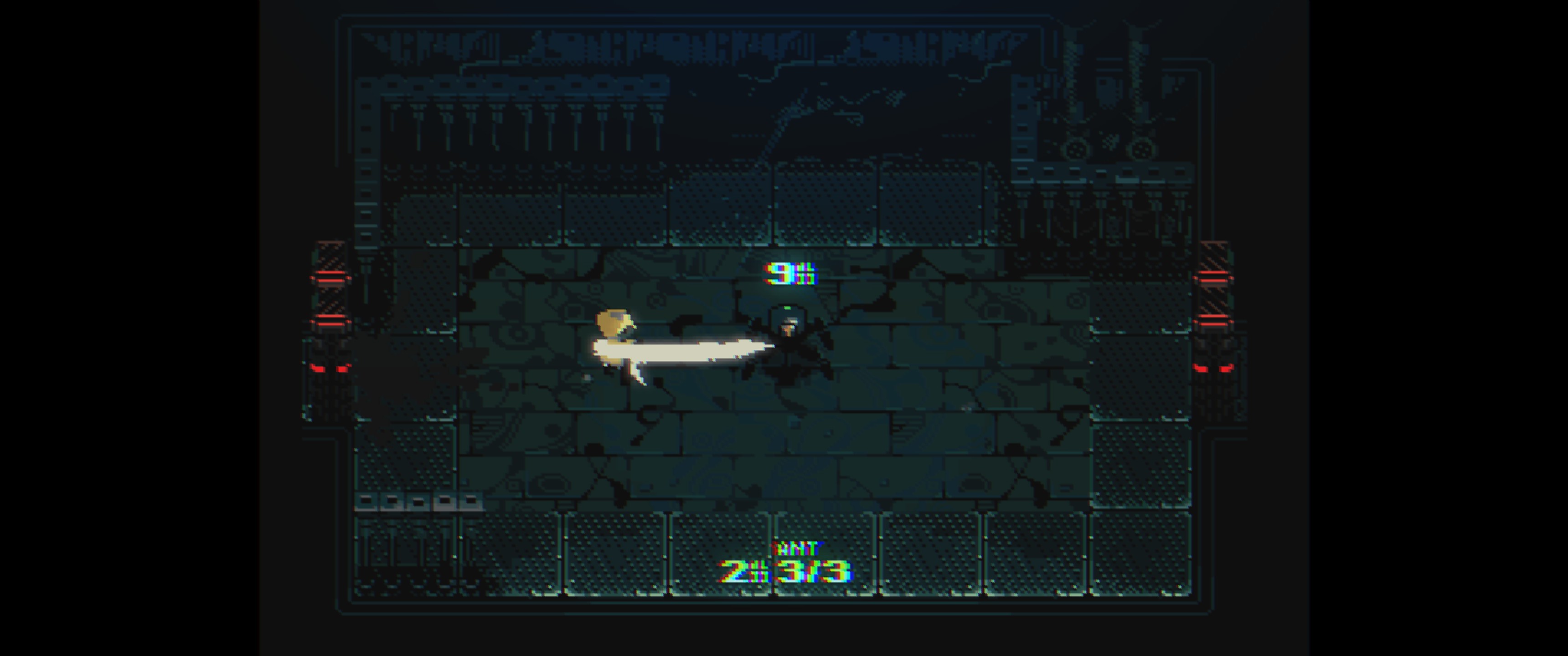
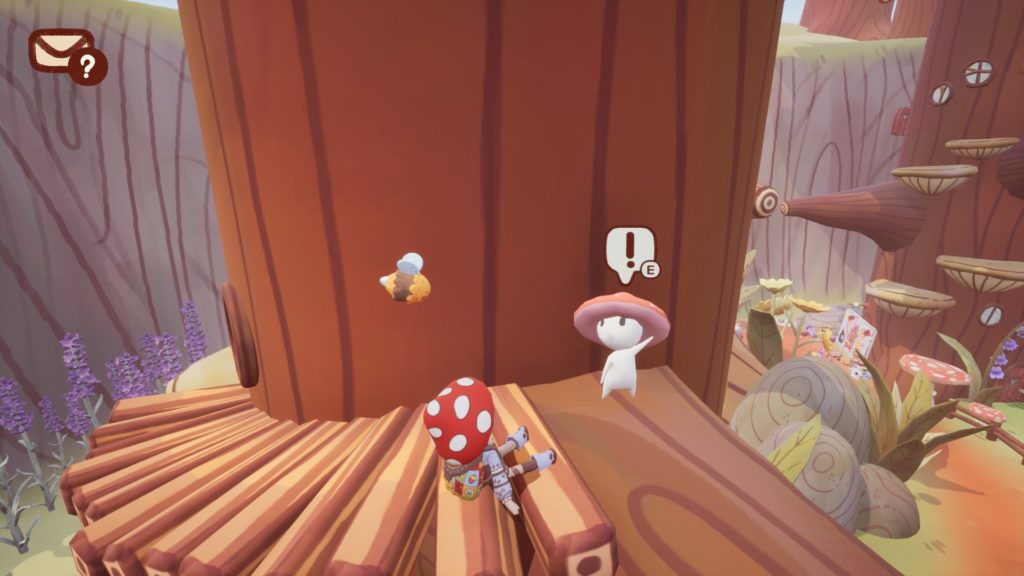
You manage a magic school, training young mages to go out and fight back the Dread, a dark fog that is slowly consuming everything. I wasn’t sure what to expect from this one, but I thoroughly enjoyed the short demo. You get to build your little school, harvest resources, grow and cook food; all while summoning and training students to train and send into the Underschool to fight enemies in auto-battles. A great mix of genres that works far better than I expected.
I’ve been looking forward to this one ever since the trailer a while back. It’s essentially an adventure shooter where you create a cute little wizard who runs around and shoots things with magic bullets. You get a “home base” to build up over time as well, which you return to after each short “expedition” to gather resources.
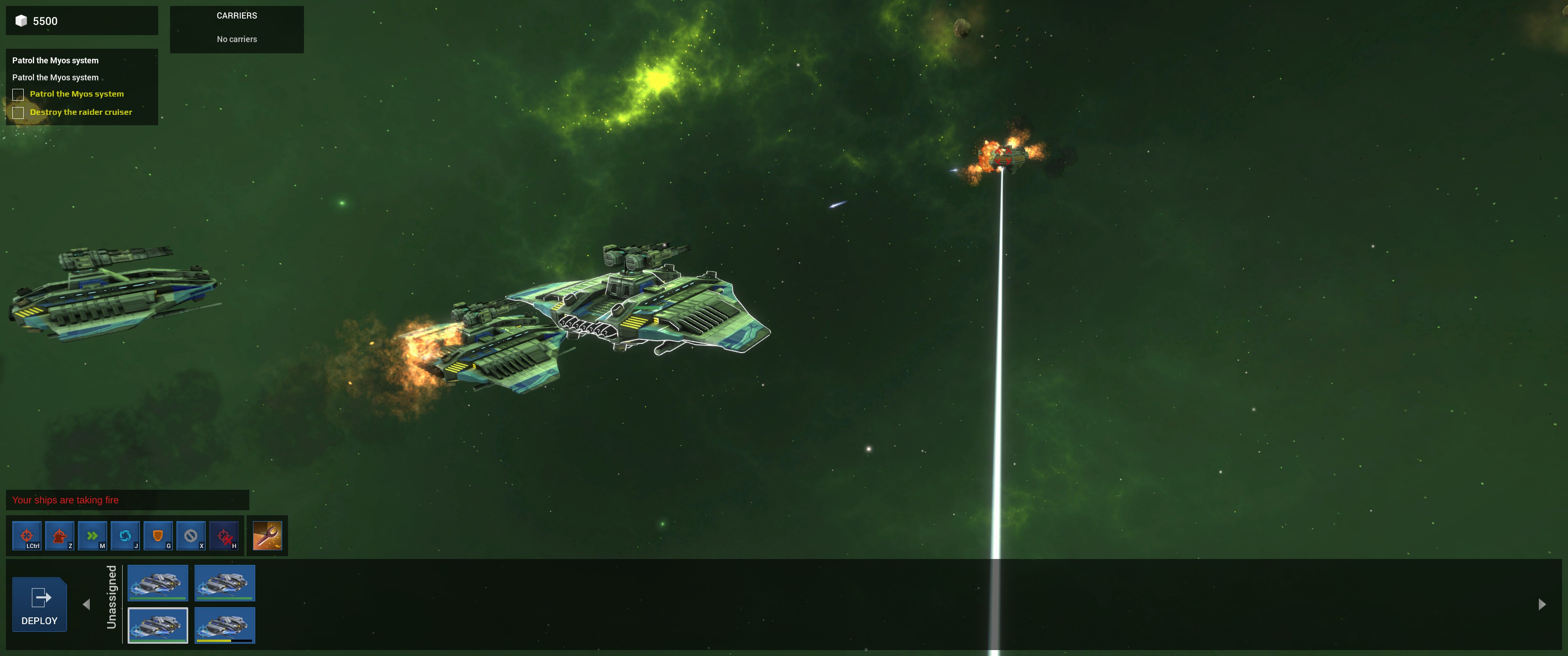
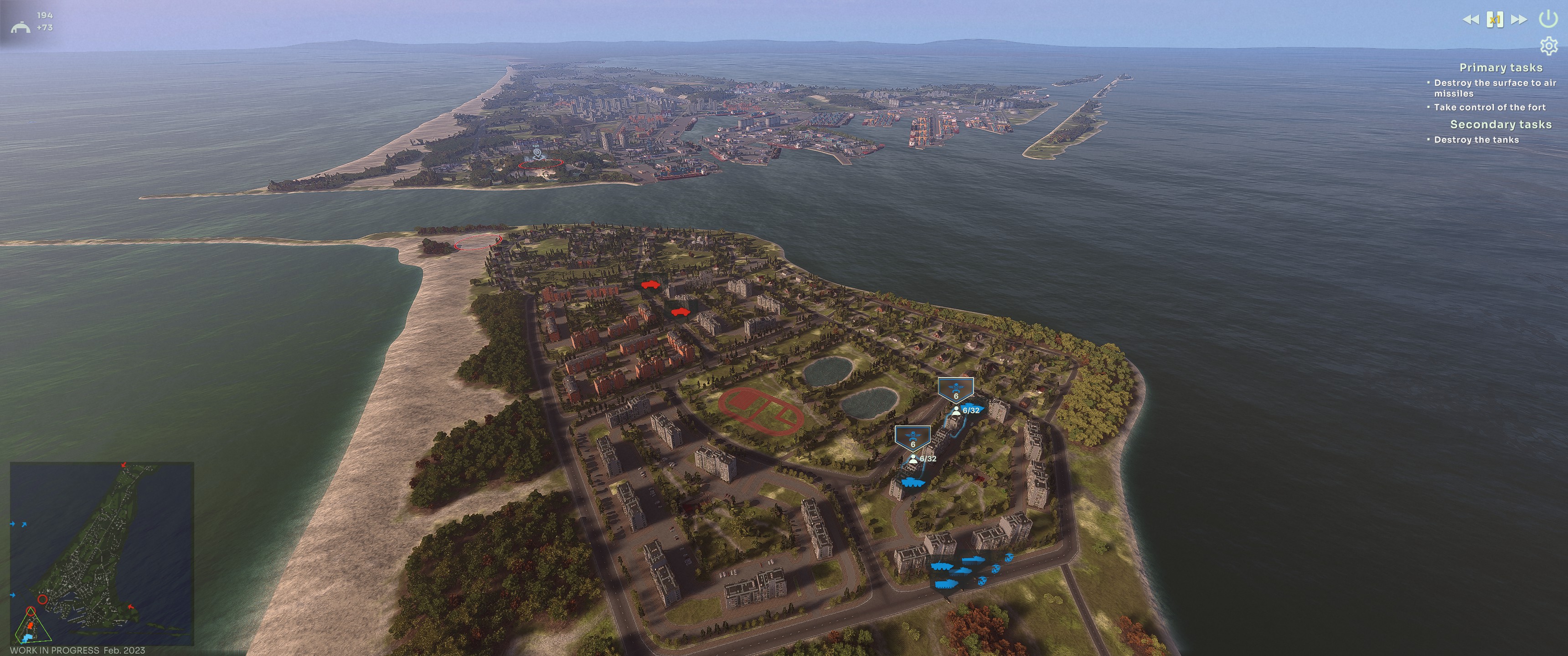
A decent little tactical strategy game. The combat is definitely inspired by Homeworld. Not sure how much depth the final game will have; the demo is pretty simple.
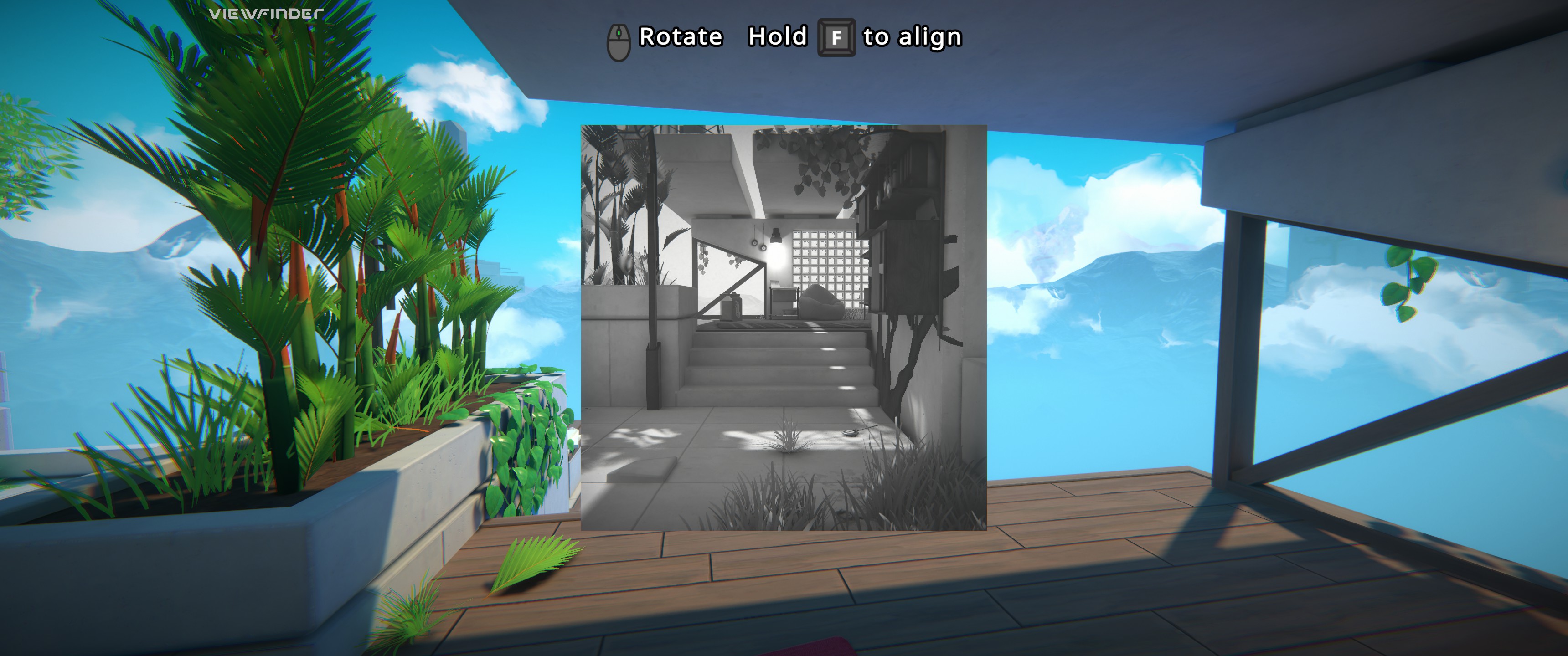
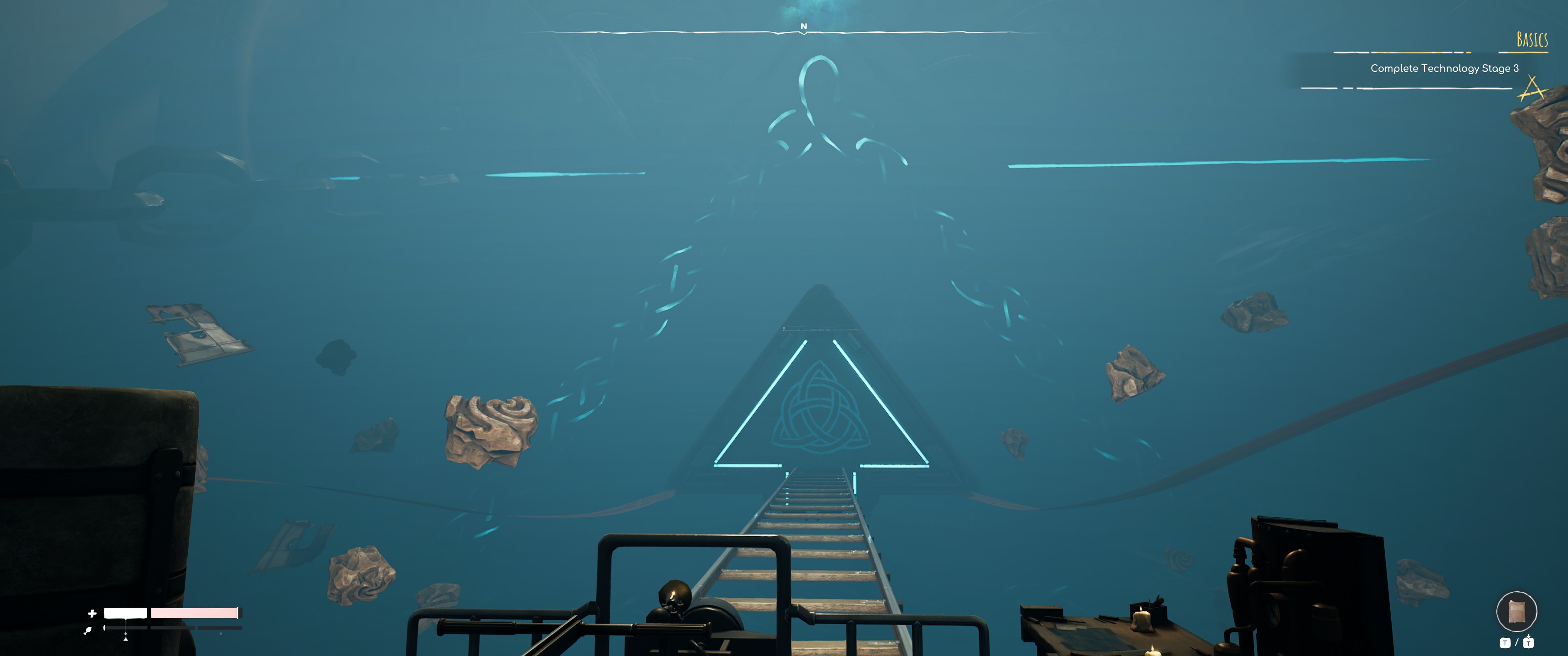
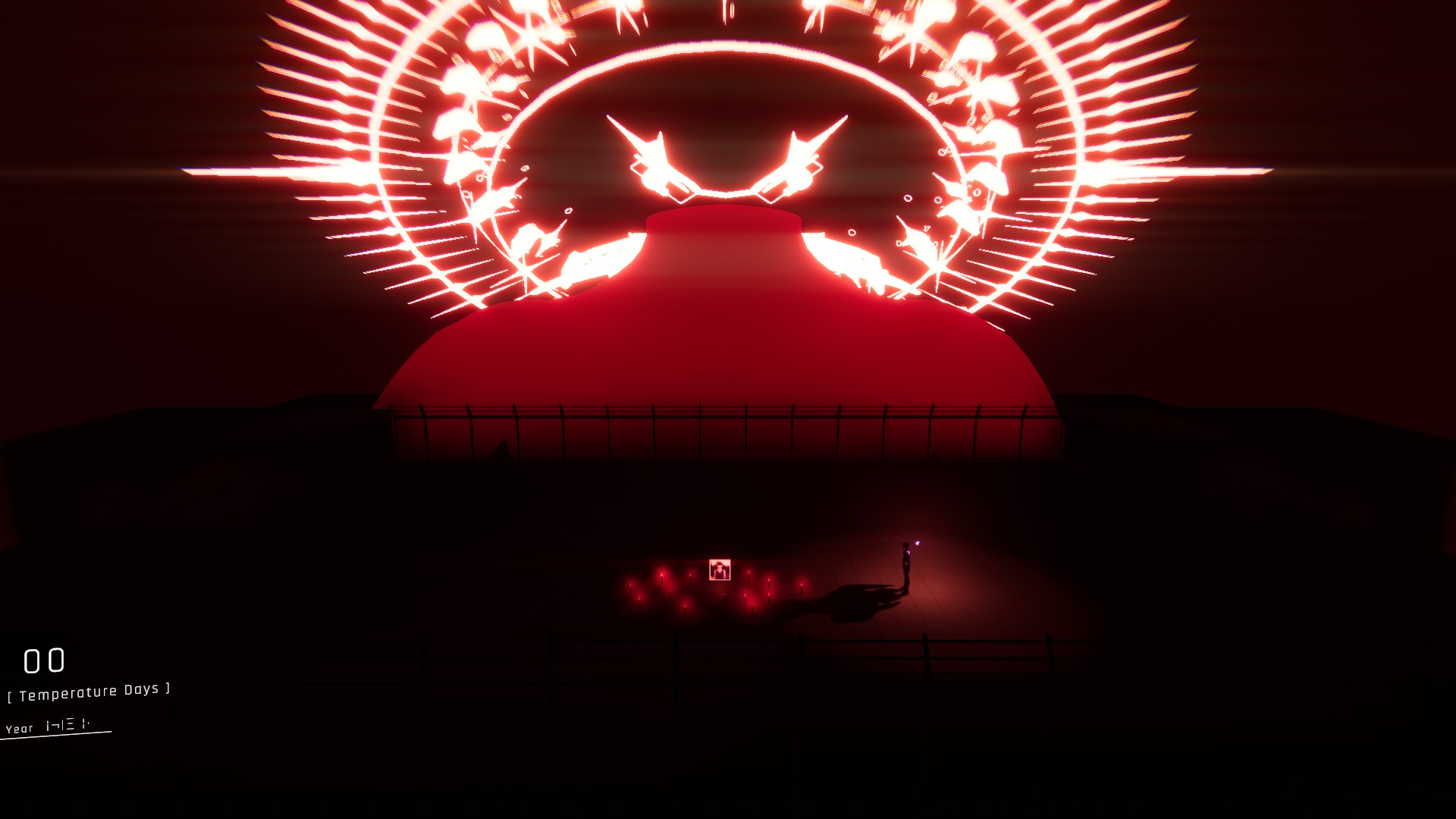
A first-person puzzle game with some really interesting mechanics. You use pictures to build out the world – bridging gaps, building ramps, duplicating objects, etc. There are some great visual effects as well. Looking forward to playing the full release.
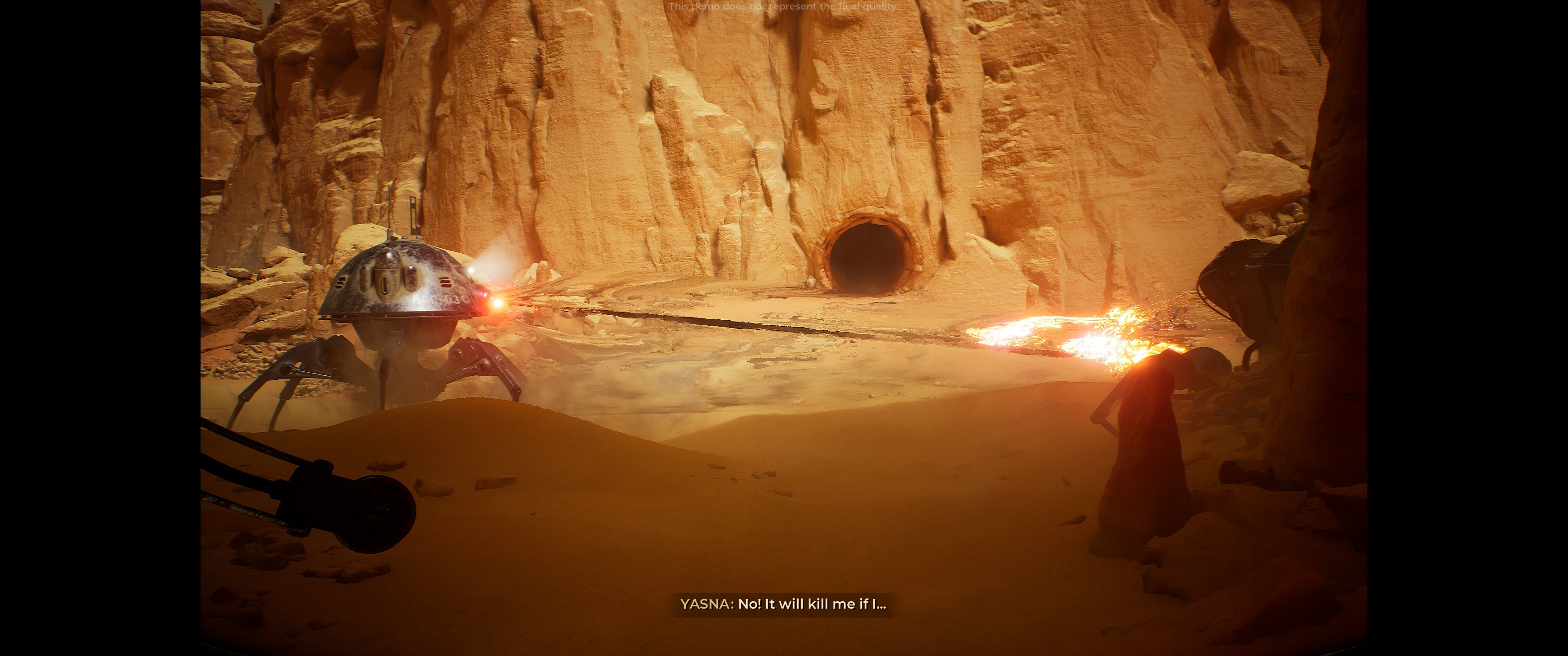
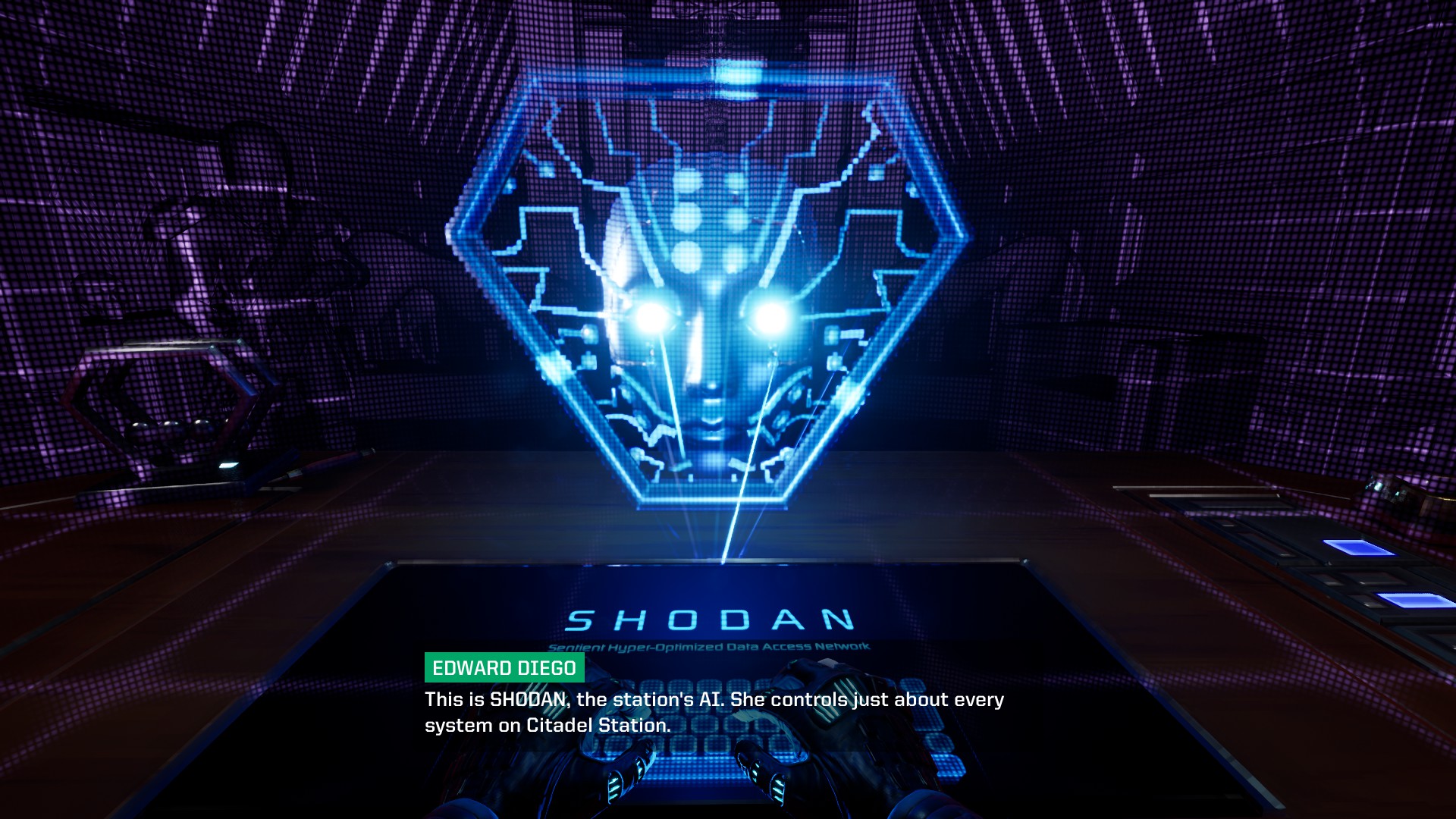
A retro sci-fi adventure played entirely from first-person. The demo takes place a bit after the start of the game, with some mild spoilers. The visuals are fantastic, and the story seems interesting, so I’m definitely going to find some time to play it after release.
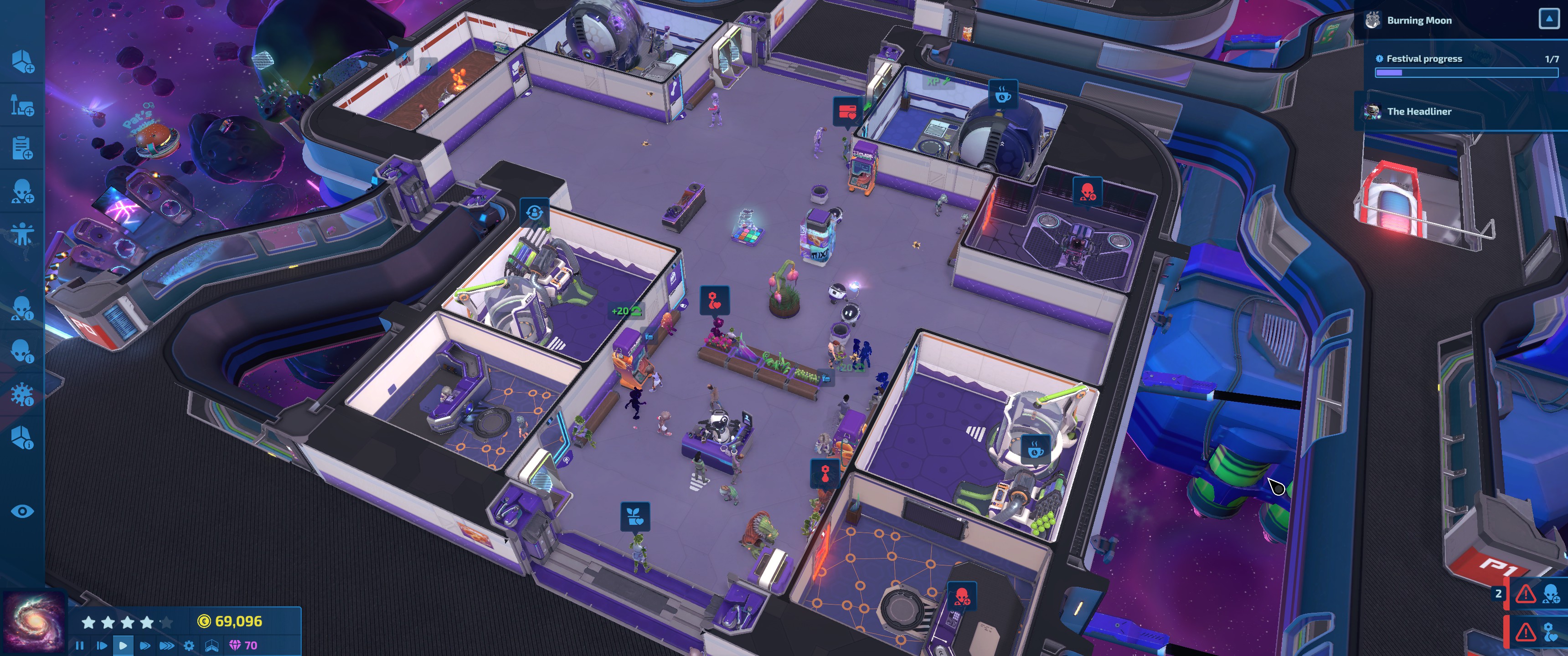
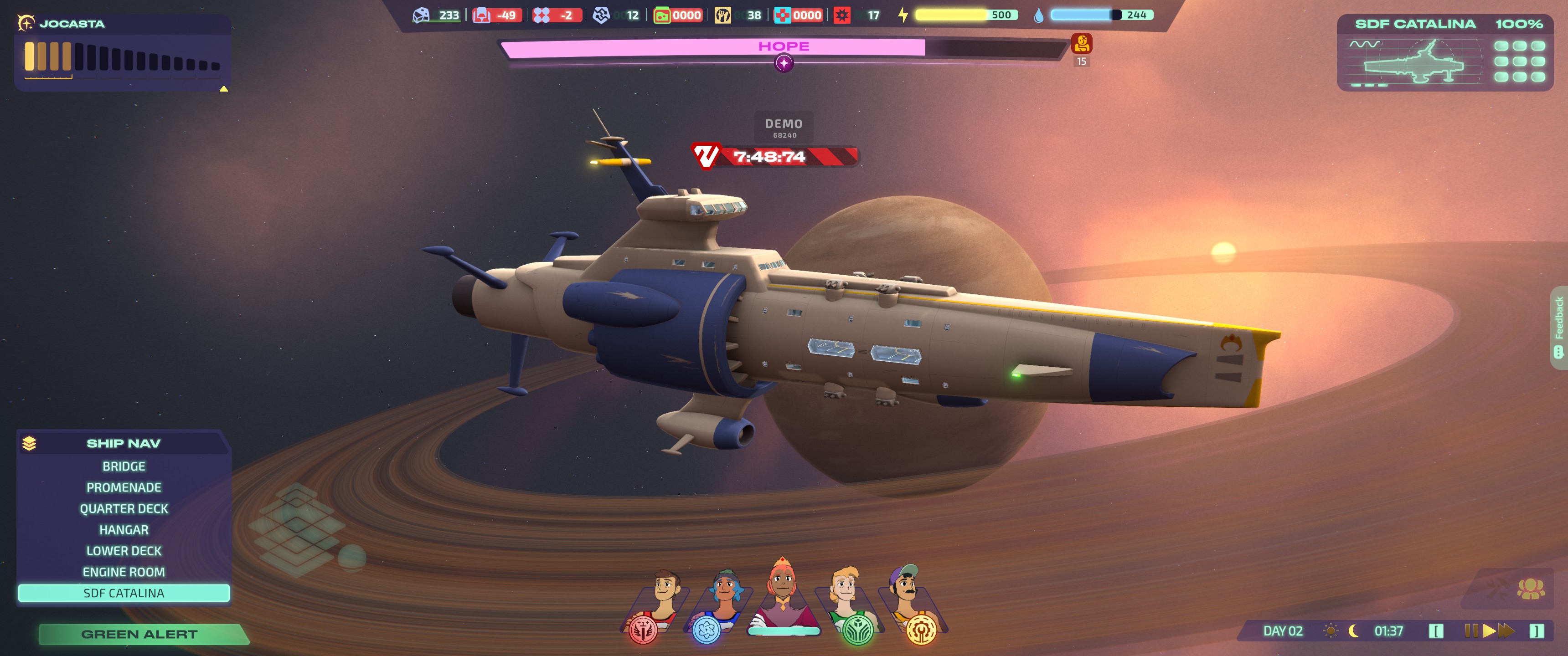
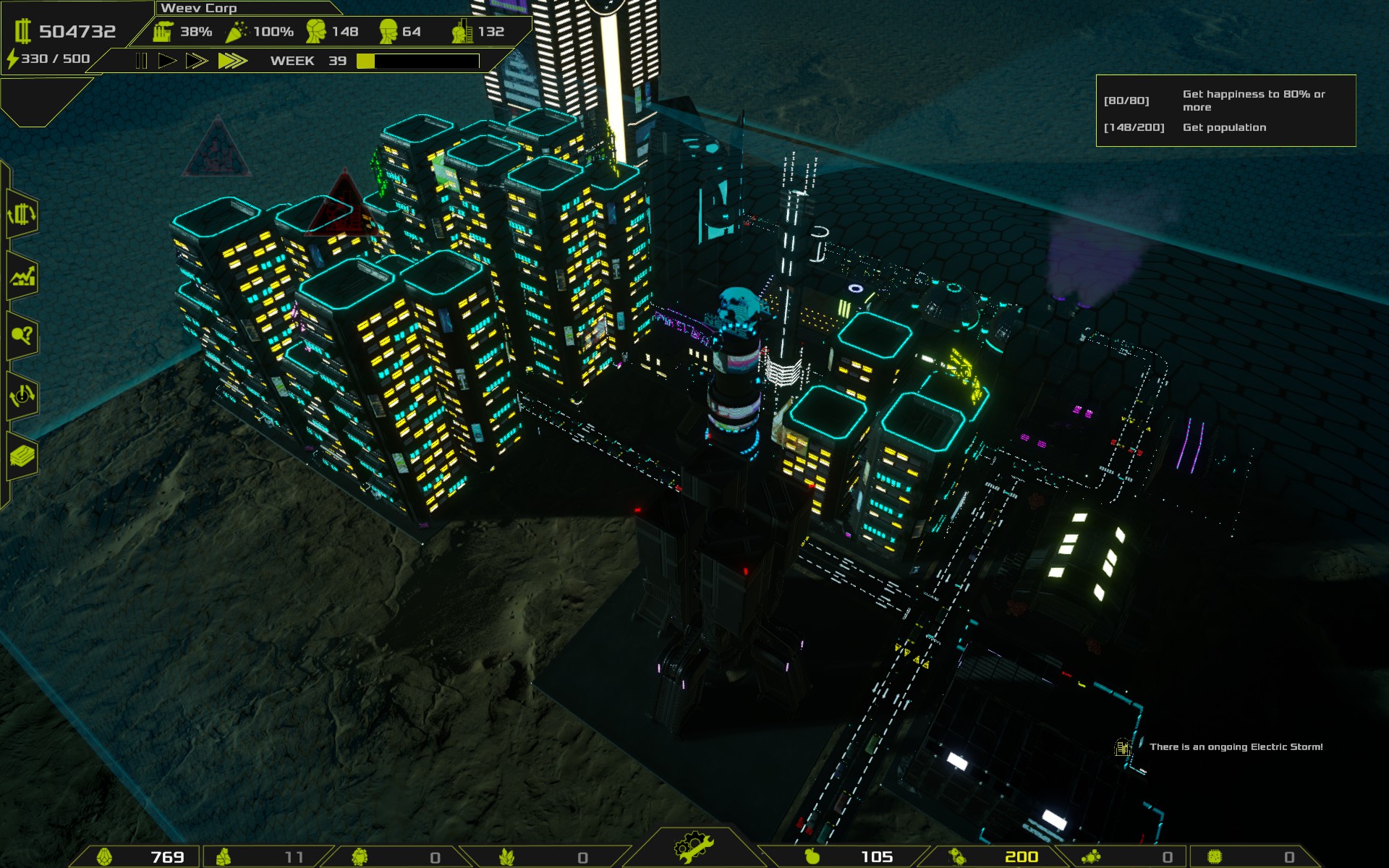
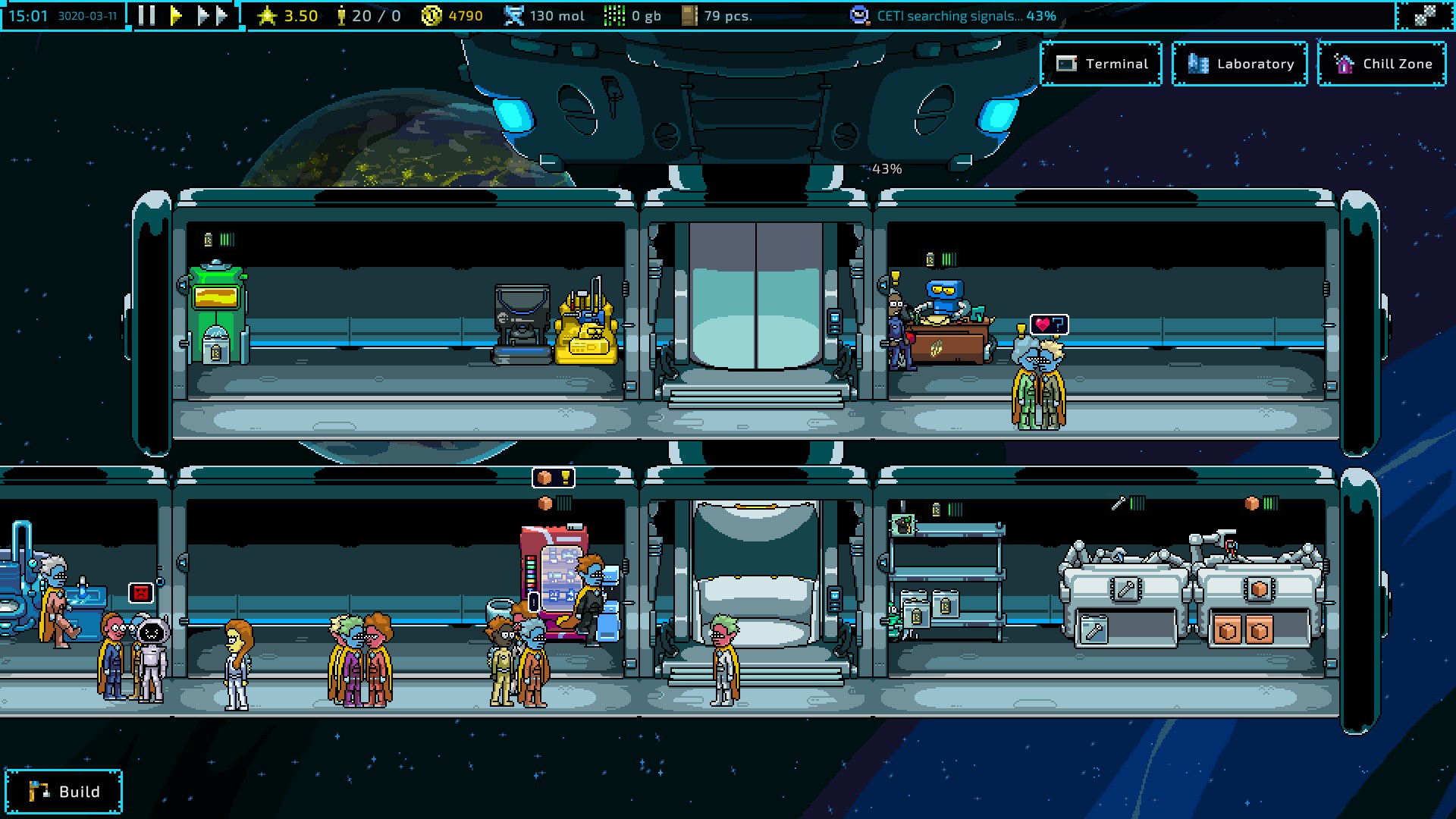
Thus far, this is my sleeper hit from this Next Fest. It’s essentially FTL with the base building of something like Evil Genius, all wrapped in an 80s anime aesthetic. It even has an animated intro that establishes the feel. The graphics are great as well, and it looks like the final game will have multiple scenarios (maybe with different ship layouts?). It hooked me right away. I’ll definitely be picking this one up.
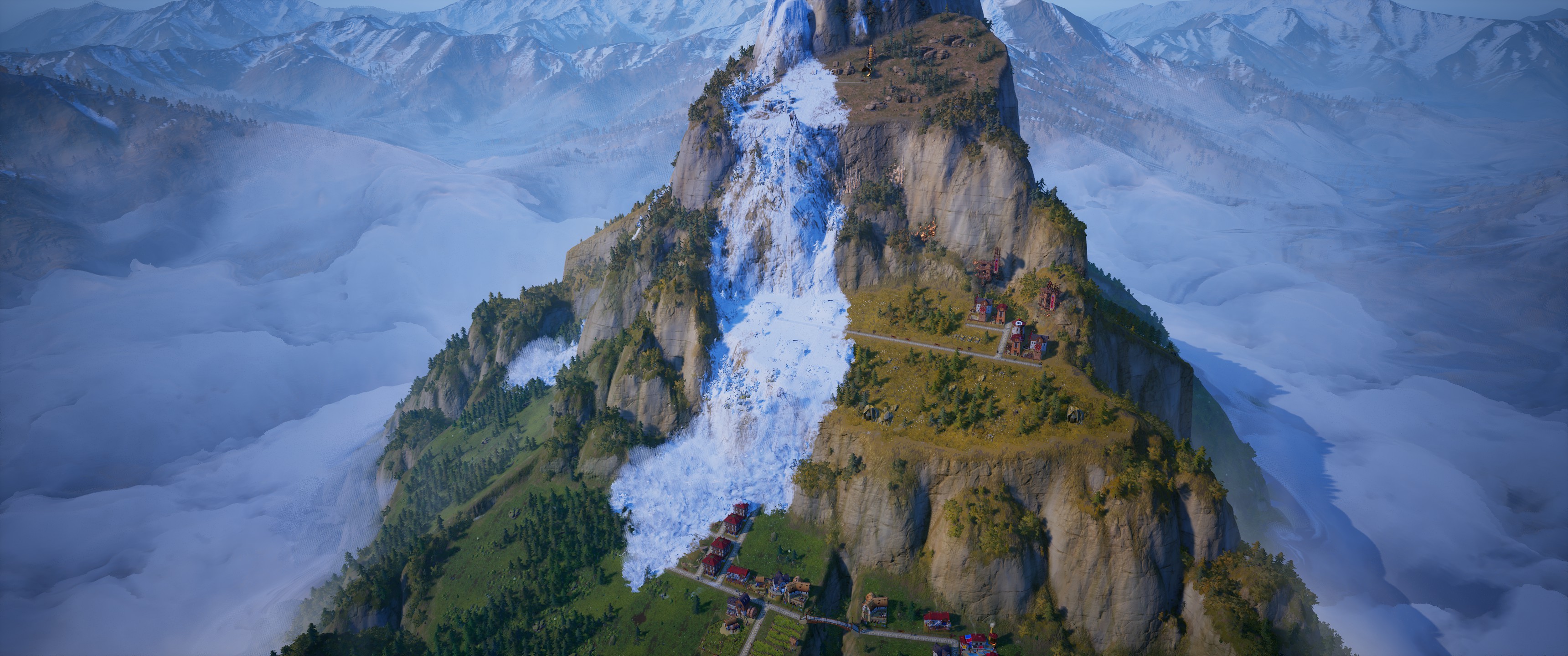
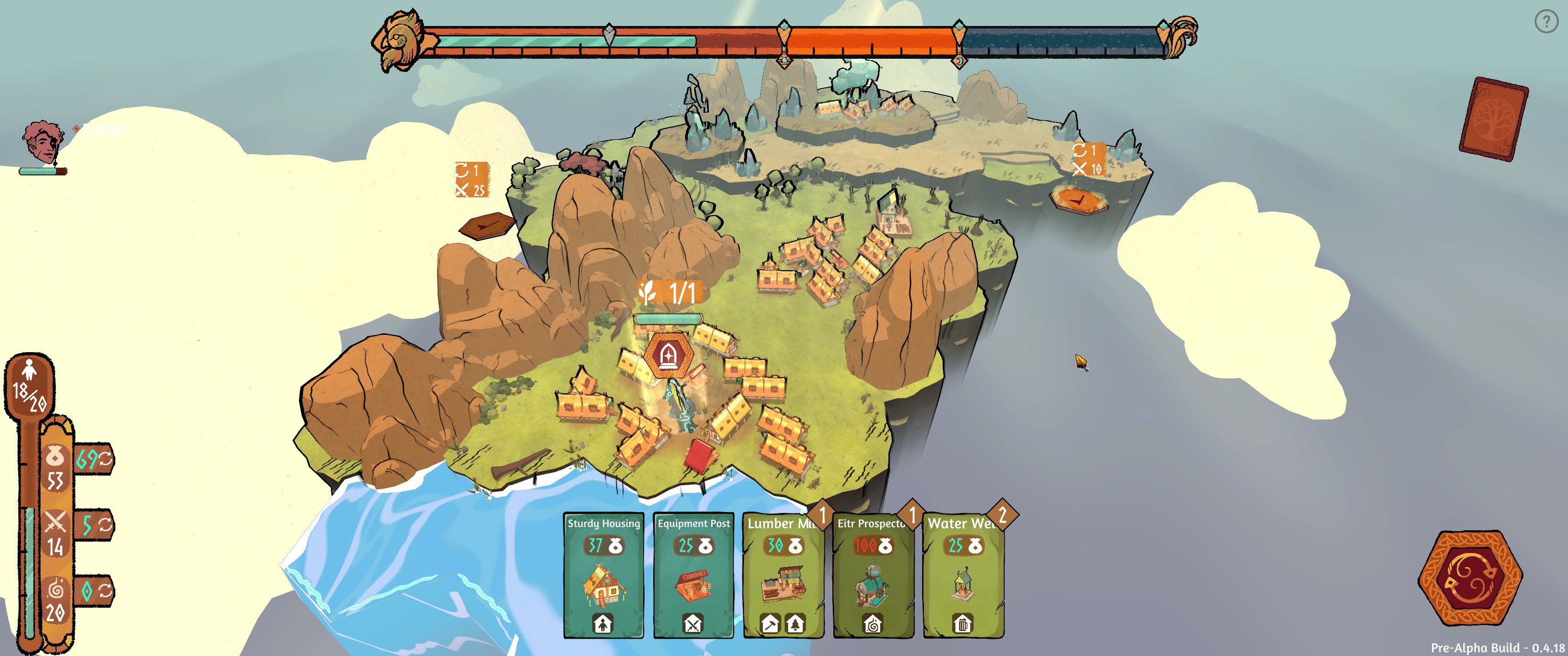
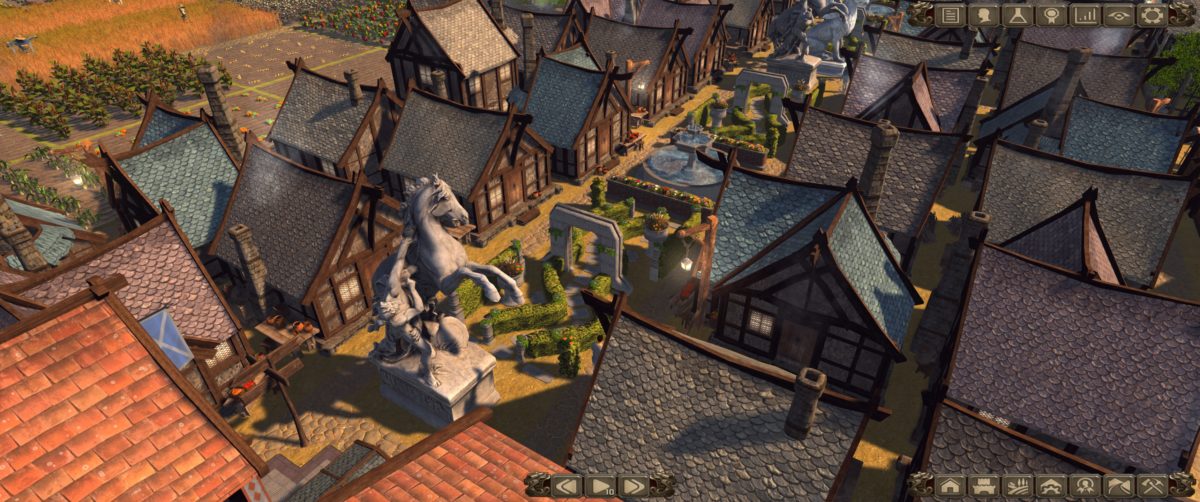
A city-builder where you’re constructing your towns on a mountaintop. The demo introduces the basic production chains and shows off an avalanche. Seems like it’s more about building the most efficient production chains than about resource management.
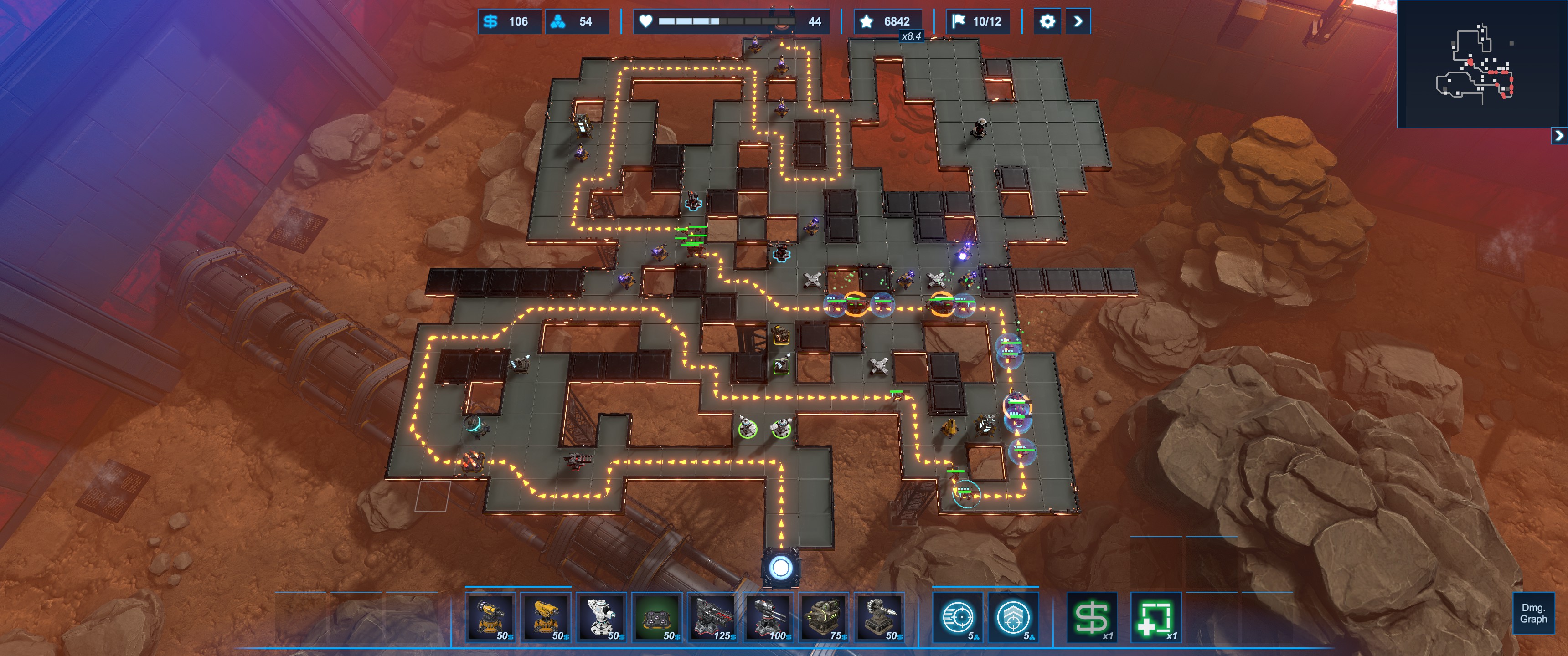
I like a good tower defense game. This one has a lot of nice quality-of-life features like ways to manipulate the map and a free sell-and-replace each wave.
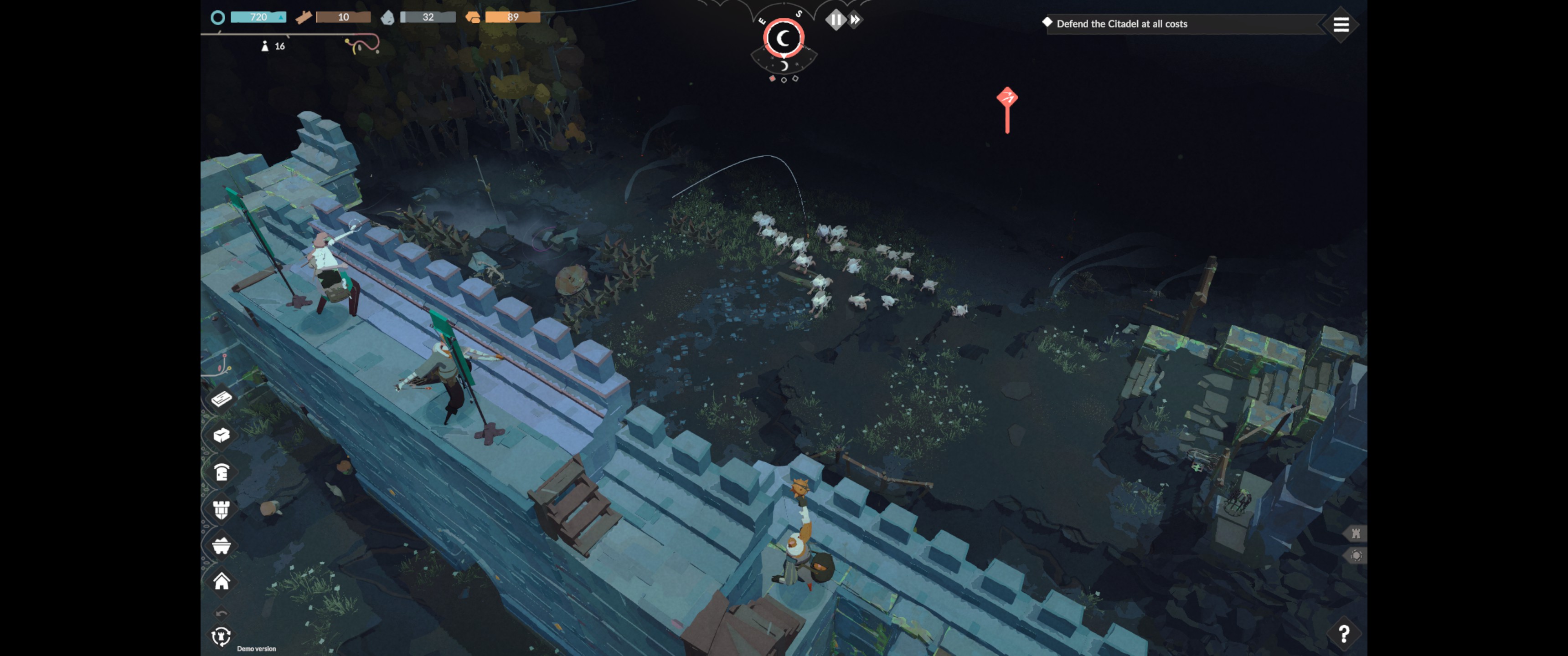
A roguelike city builder where you build up your castle and defenses to fight back waves of enemies. I’m annoyed that the demo locks progression behind completing all challenge modes for each level.
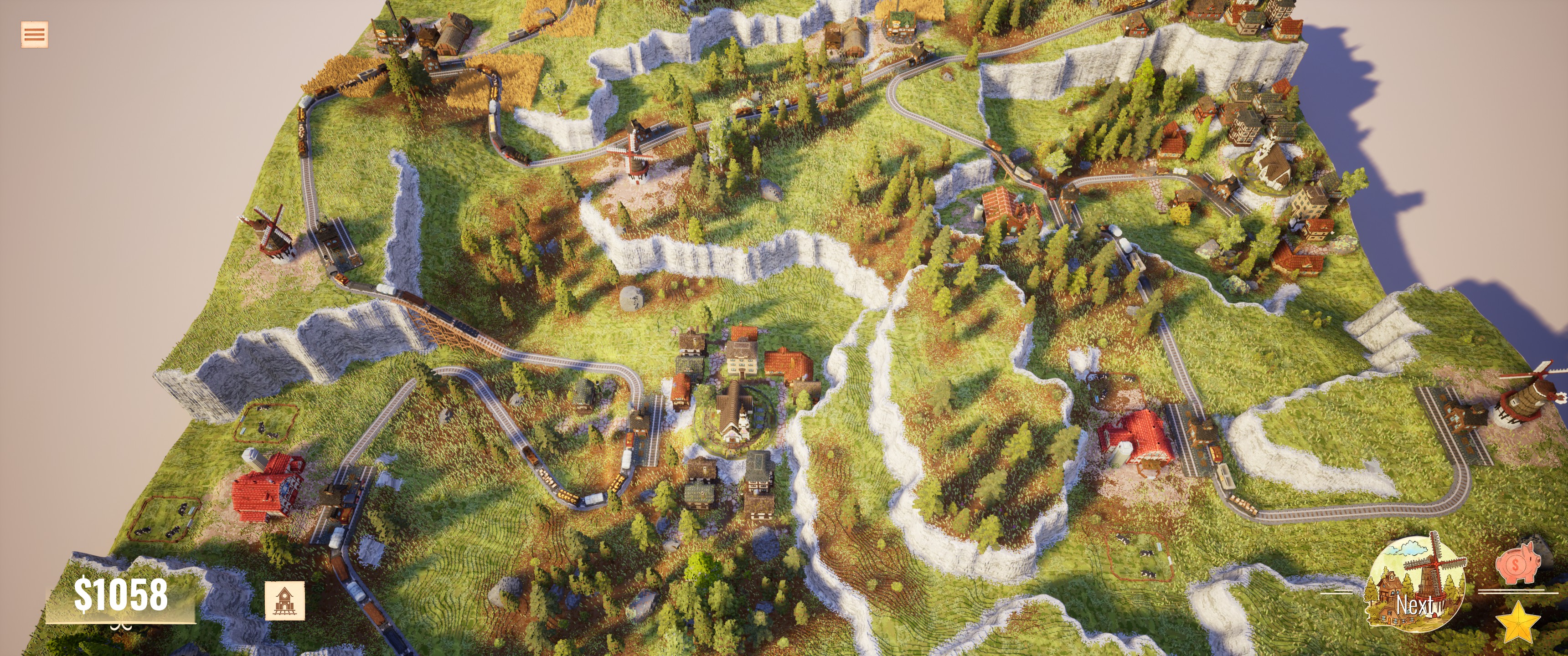
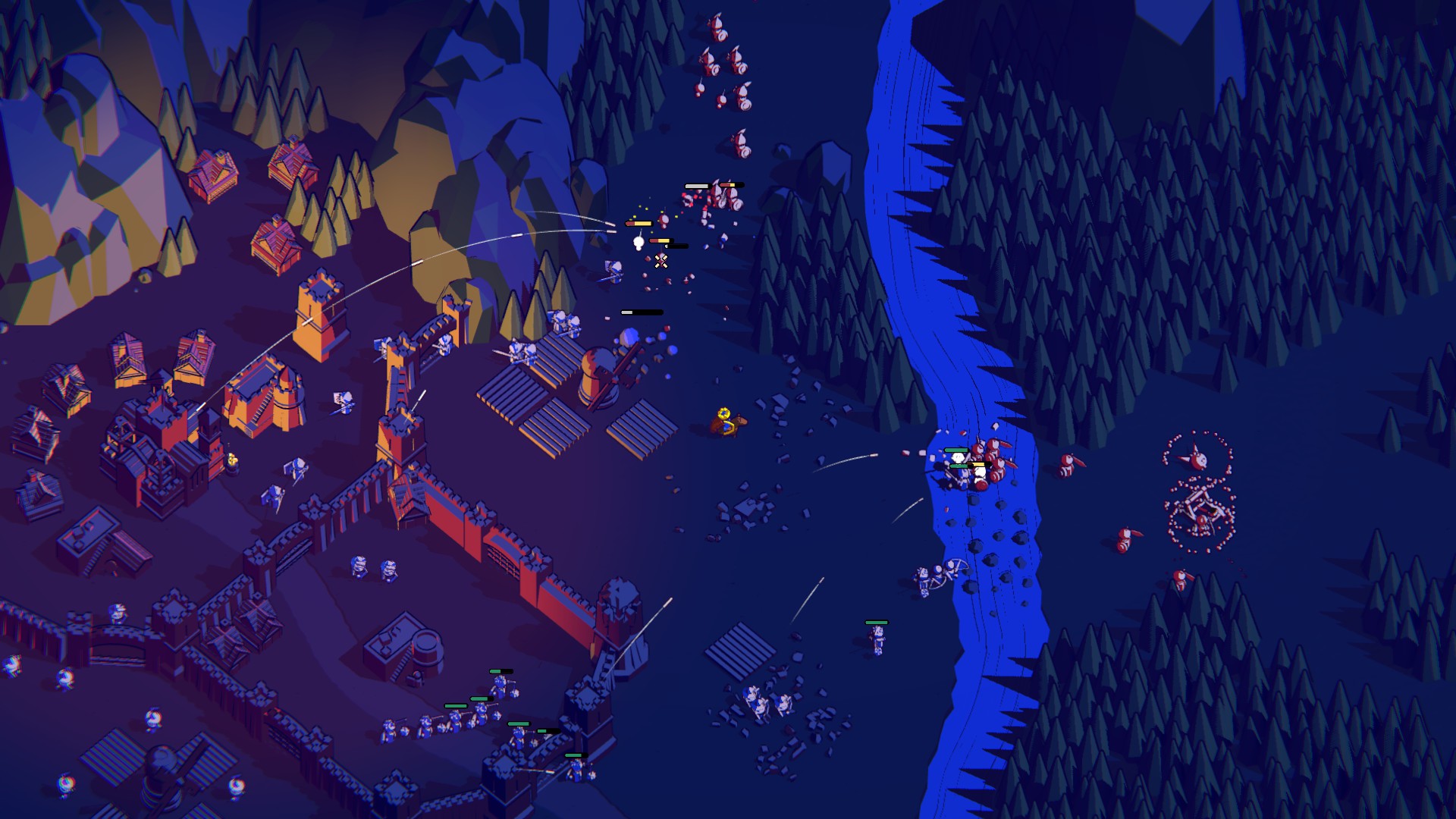
Another defend-your-castle city builder. Has a heavier RTS element than Thronefall, where you build units and order them around individually. The wall building is very similar to Castle Story, and some structures can stack like Timberborn. I enjoyed the short demo, so this will definitely be in my library at some point.
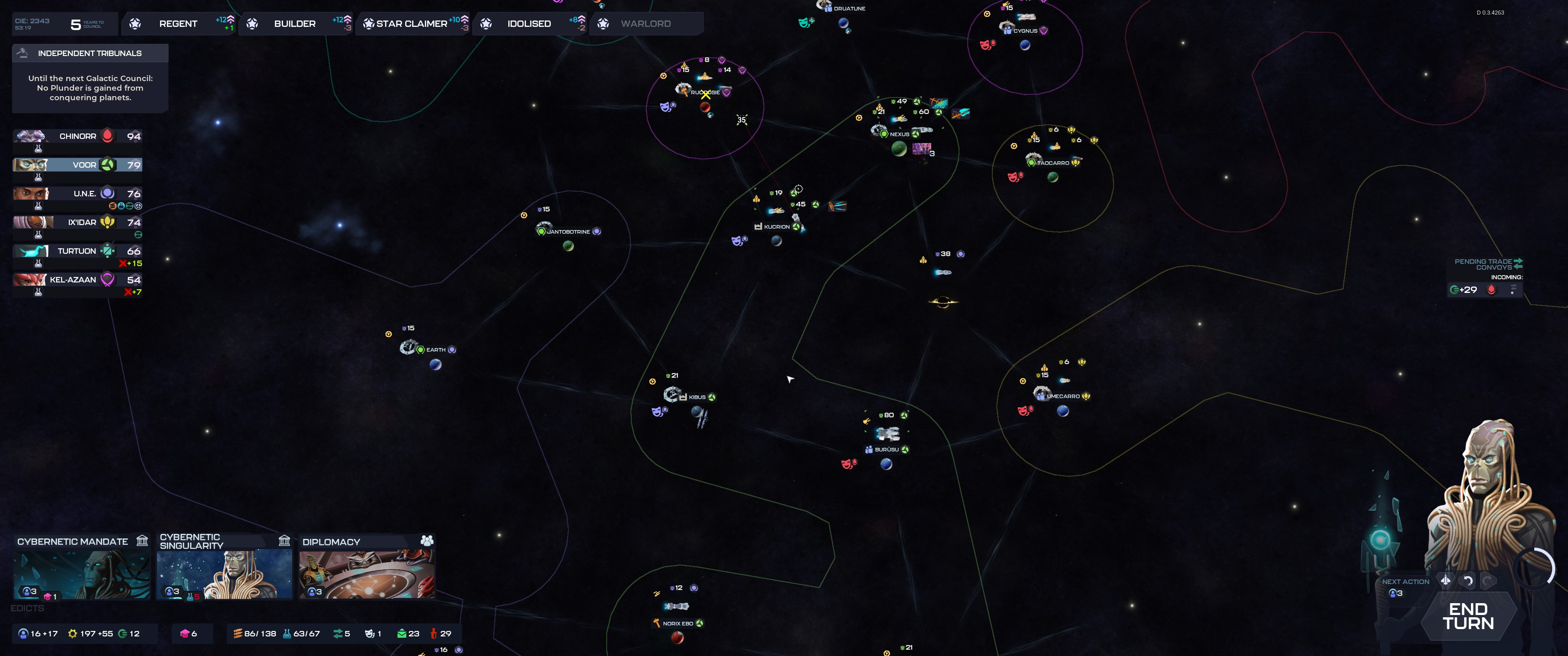
A turn-based 4X game. It’s very different from Stellaris, but has some nice twists on the standard 4X formula; mostly making things far simpler and more accessible, but also a bit more boring. I’m not sure how much I liked what I played in the demo. (And the Stellaris name is definitely just there for the name recognition.)
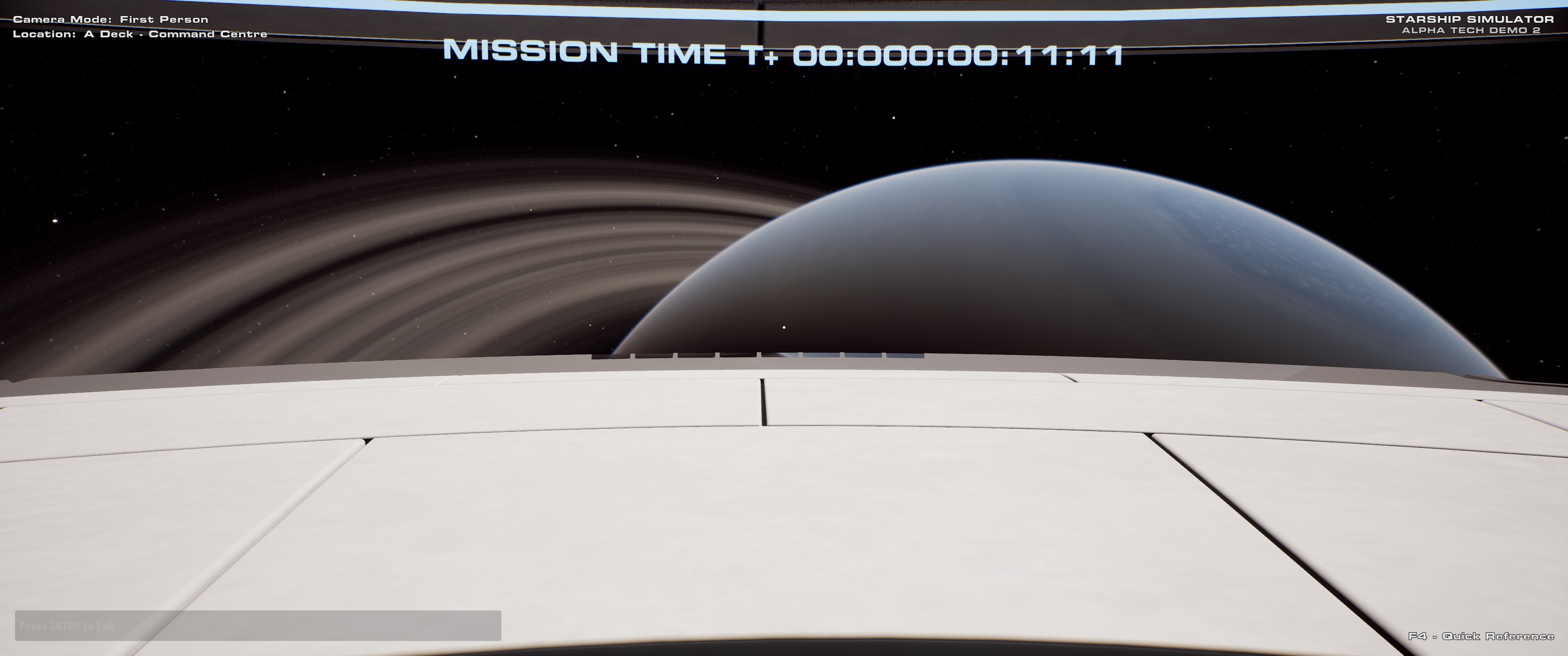
This one is just a tech demo, and it’s essentially just Space Engine with a Star Trek-style starship you can fully explore. Most of the ship is still a work-in-progress, but it was fun to fly around our solar system. There’s a fun “Disco Mode” test of the ship lighting, but unfortunately the life support systems aren’t fully implemented so I couldn’t disable life support and suffocate to death.
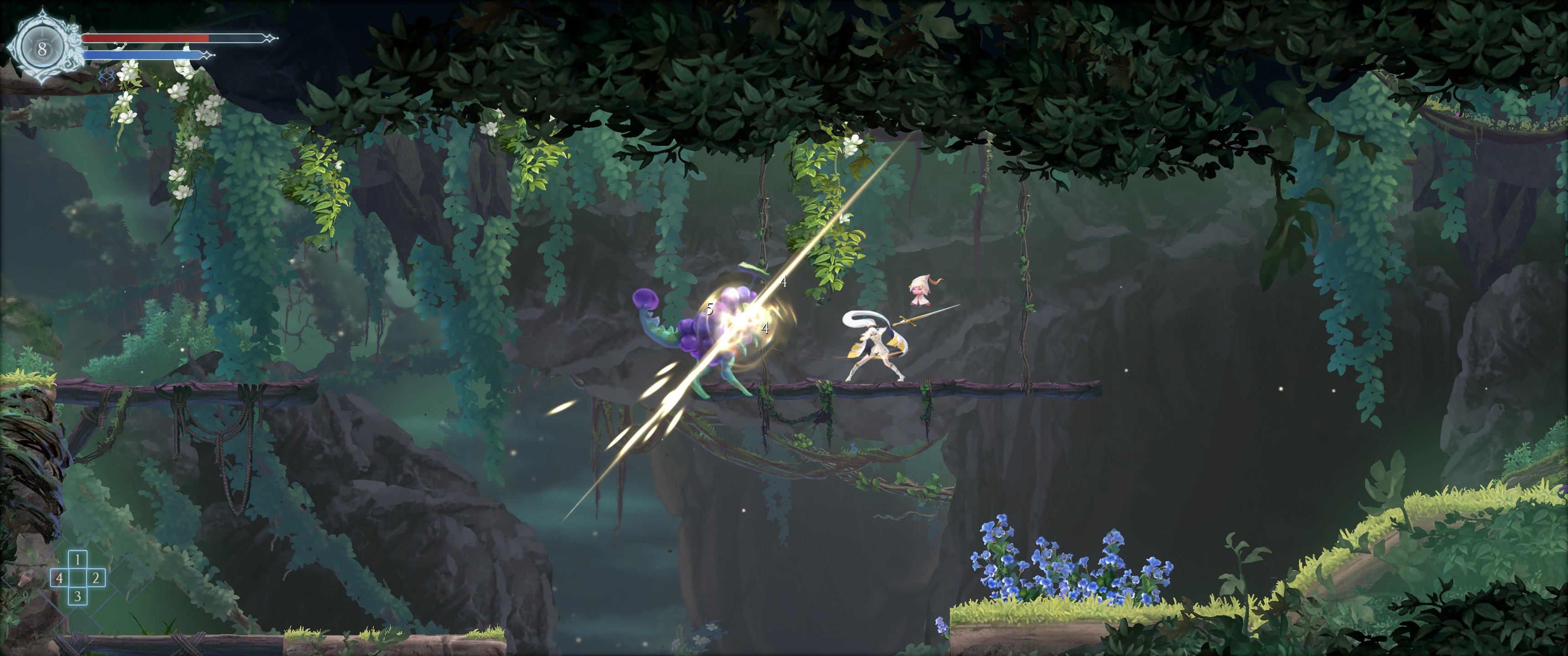
A Metroidvania where you play as Ebenezer Scrooge, post-Christmas Carol, teaming up with sprits to help the people of London. Neat idea with a nice hand-drawn style. Didn’t click with me, but it looks great.
Next Fest Complete
That’s the end of this Fest. There are several here I’m looking forward to, but Jumplight Odyssey most of all because of how well it combines some great styles (I love that Evil Genius base-building). Mind Over Magic was also more fun than I expected. I already knew about Viewfinder and The Invincible, and they both lived up to my expectations. I still love all the demos these events bring out and the opportunity to try a lot of things I’d have completely ignored otherwise.
I started to include this as part of my first impressions, but it was getting long and I didn’t want to just throw all this away, so I chose to split it out here for anyone interested.
Mods
The new mod system does a good job of replacing the disparate seasonal systems with a unified system that can be easily built upon. There are two key concepts with the new mod system: Orbs of Power and Armor Charge.
Orbs of Power
Orbs of Power have always existed in Destiny, created by certain abilities as a way to charge your super. Now, there are many more ways to generate them, and they still recharge your super but can also grant Armor Charge, which can be used to power a variety of effects.
There are three main ways to generate Orbs of Power: your super ability, “siphon” mods, and ability mods.
Your super ability has always generated orbs and it works basically the same way as it always has: killing enemies with your super generates orbs. For some supers like Well of Radiance or Ward of Dawn, the orbs are generated as soon as the super is cast (since they don’t directly kill enemies).
Siphon mods allow you to create orbs with weapon kills. There’s a mod for each damage type: kinetic, arc, solar, void, stasis, and strand. There’s also a “harmonic” siphon that matches your subclass.
Finally, there are mods to generate orbs from your abilities: “Firepower” to create orbs from grenade kills, “Heavy Handed” to create orbs from melee kills, and “Reaper” to create orbs from weapon kills after using your class ability. There’s also a mod that can create orbs from finishers, but requires Armor Charge to do so.
Armor Charge
The new part of the mod system is “Armor Charge”. There are several mods that operate on Armor Charge, and as soon as one is slotted, picking up an Orb of Power will grant a stack of Armor Charge. There are two main ways Armor Charge is used: fully consumed to grant a bonus, or consumed over time for a passive bonus. Aside from that, there are a variety of mods that enhance Armor Charge in some way. Each of these is distinguished by a color in the UI.
Instant Bonuses (Yellow)
Yellow mods consume all your Armor Charge at once, granting an instant bonus. There’s “Grenade Kickstart”, “Melee Kickstart”, and “Utility Kickstart”, which trigger when your ability energy is fully expended and immediately recharge that ability (with more energy being refunded based on the number of mods and amount of Armor Charge). There’s “Emergency Reinforcement”, which triggers when your shield is broken and grants damage reduction.
Finally, there are several mods that trigger on Finishers to generate orbs, restore abilities, grant buffs (overshield or heal), generate ammo (special or heavy), or reload weapons. Unlike the “kickstart” mods, which consume all your Armor Charge stacks, the Finisher mods require a certain amount to trigger. For instance, the “Explosive Finisher” mod recharges your grenades, but only triggers if you have three or more stacks of Armor Charge.
Passive Bonuses (Blue)
Blue mods drain your Armor Charge over time and provide a passive bonus. There are two types of passive bonuses: stat bonuses that add +30 to a primary stat (mobility, resilience, recovery, discipline, intelligence, or strength), and damage bonuses for a specific weapon element (kinetic, arc, solar, void, stasis, or strand).
You can use additional copies of mods to increase the bonus with a decreasing benefit. For instance, one “Font of Restoration” mod will increase your Recovery by +30, two by +50, and three by +60. You can have as many passive bonuses as you like and they don’t cause Armor Charge to drain any faster. I’ve seen a few people that essentially have “perfect” stats (100 in all stats) via the stat bonuses.
Armor Charge Enhancements (Green)
Green mods typically alter how you collect Armor Charge. These are all different: “Charged Up” allows you to have one more stack of Armor Charge. “Stacks on Stacks” grants you an additional stack of Armor Charge each time you pick up an Orb of Power. “Time Dilation” makes Armor Charge decay more slowly when using passive (blue) mods. “Powerful Friends” grants Armor Charge to allies when picking up an Orb of Power. “Radiant Light” grants Armor Charge to allies when using your Super. (One stack for allies with the same subclass, two for different subclasses.) “Shield Break Charge” grants a stack of Armor Charge when breaking an enemy shield with a matching damage type. “Empowered Finish” lets Finishers grant a stack of Armor Charge if you have none.
Passive Mods
There are also a number of passive mods that don’t use the Armor Charge system. Most of these existed before the new mod system changes. There are stat mods for +5 or +10 to a primary stat; weapon mods to improve reserves, flinch, targeting, handling, reload them while holstered, or grant extra ammo when picking up ammo; super-related mods to generate additional orbs or grant additional super energy from abilities; ammo finder mods (special or heavy) to generate ammo on kills (and new “scout” mods to grant that same ammo to allies); resistance mods to increase damage resistance against specific damage types; cooldown mods that affect your ability cooldowns; and a few buff mods that provide a heal or overshield when picking up orbs or using Finishers.
Strand
Buffs
Woven Mail
Woven Mail is a buff that provides 60% damage reduction for everything but precision damage (i.e., headshots). It’s the main Titan buff, and makes you very tanky. There’s also a nice audio effect whenever you’re hit while it’s active, letting you know it’s still up since it’s difficult to tell otherwise; a full-screen effect would have been nice.
Tangles
Tangles can be created after defeating targets with Strand abilities. The enemy dissolves into a “tangle” that hovers in the air and can be used in a variety of ways. You can shoot a tangle to detonate it, causing damage to nearby enemies; you can pick up and throw a tangle like a grenade; or you can grapple to a tangle for free. You can also combine these effects; for instance by picking up and throwing a tangle, then grappling to it and letting it pull you along.
Threadlings
Threadlings are the Warlock specialty, but any class can create them. They’re little worm-like creatures that will seek out enemies and explode. Warlocks can keep up to five threadlings ready to deploy at any time.
Debuffs
Suspend
Suspend does what it sounds like: it suspends targets in the air, preventing them from attacking and exposing their weak points. Suspend won’t work on bosses, but it does slow them a bit. When used against other Guardians in PvP, Suspend will slow them but still allow them to move and attack.
Sever
Sever is a debuff that reduces the amount of damage enemies cause.
Unraveled
Enemies that are “unraveled” will emit small Strand projectiles when they’re hit, which seek out nearby enemies (or the same enemy if there’s no one around). This works like the Jolt effect from the Arc subclass.
Grenades
Shackle Grenade
The Shackle grenade, also known as the “bola grenade”, will damage and suspend the target it hits, and also splits into multiple sub-grenades that will suspend nearby enemies. It’s my personal favorite.
Threadling Grenade
The Threadling grenade splits into Threadlings mid-flight.
Grapple
Grapple replaces your grenade ability with a grappling hook. You can grapple to objects in the world or onto a point in mid-air. During and shortly after the grapple, you can use your melee to create an area-of-effect explosion and unravel enemies (“you are the grenade”). There are a lot of fun examples of the grapple being used in the world due to interactions with various enemies or environments.
Fragments
Fragments are also shared between all classes. There are several, so I’m just going to do a quick run-down:
Thread of Mind
Defeating suspended targets grants class ability energy.
Thread of Fury
Damaging targets with a Tangle grants melee energy.
Thread of Ascent
Activating your grenade ability reloads your equipped weapon and grants bonus airborne effectiveness.
Thread of Finality
Finisher final blows create Threadlings.
Thread of Warding
Picking up an Orb of Power grants Woven Mail.
Thread of Wisdom
Defeating Suspended targets with precision final blows creates an Orb of Power.
Thread of Rebirth
Strand weapon final blows have a chance to create a Threadling.
Thread of Transmutation
While you have Woven Mail, weapon final blows create a Tangle.
Thread of Propagation
Powered melee final blows grant your Strand weapons Unraveling Rounds.
Thread of Evolution
Threadlings travel further and deal additional damage.
Thread of Isolation
Landing rapid precision hits emits a Severing burst from the target.
Thread of Binding
Super final blows emit a Suspending burst from the target.
Thread of Generation
Dealing damage grants grenade energy.
Thread of Continuity
Suspend, Unravel, and Sever effects applied to targets have increased duration.
Classes
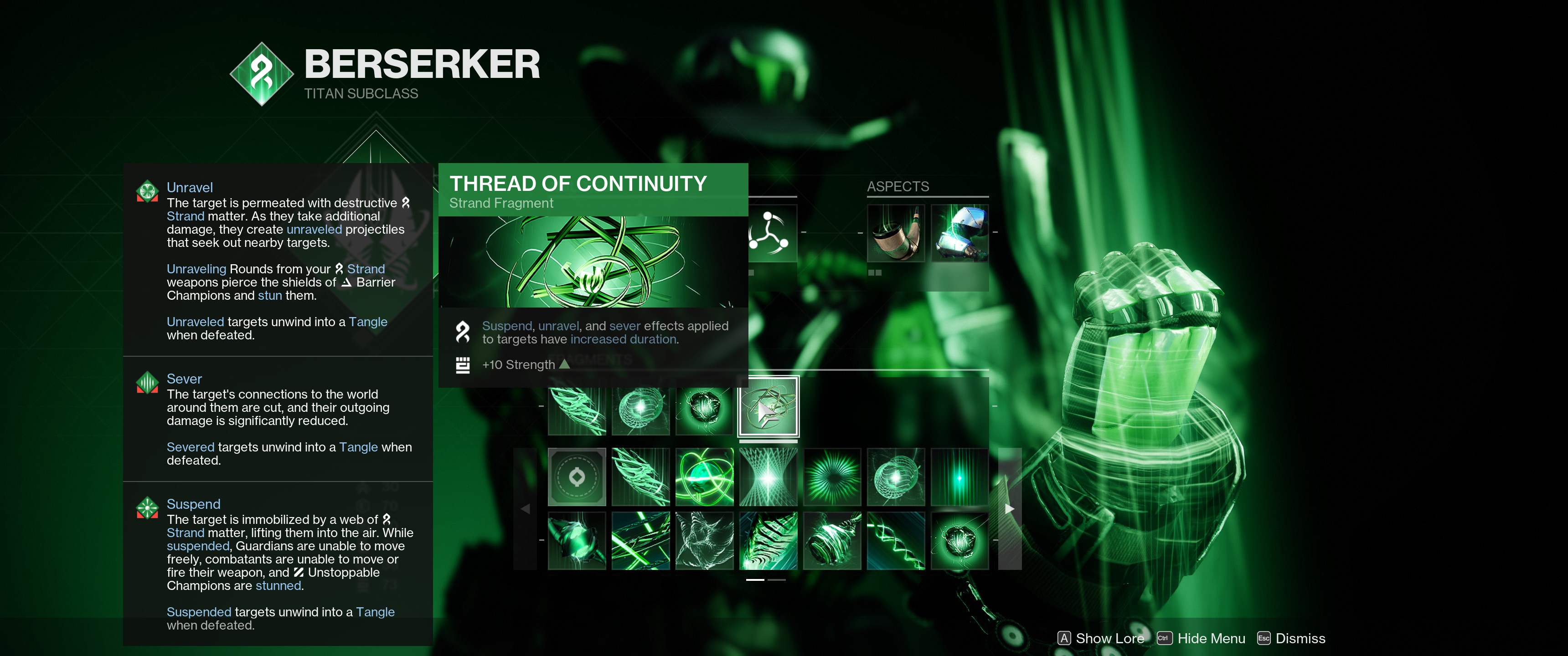
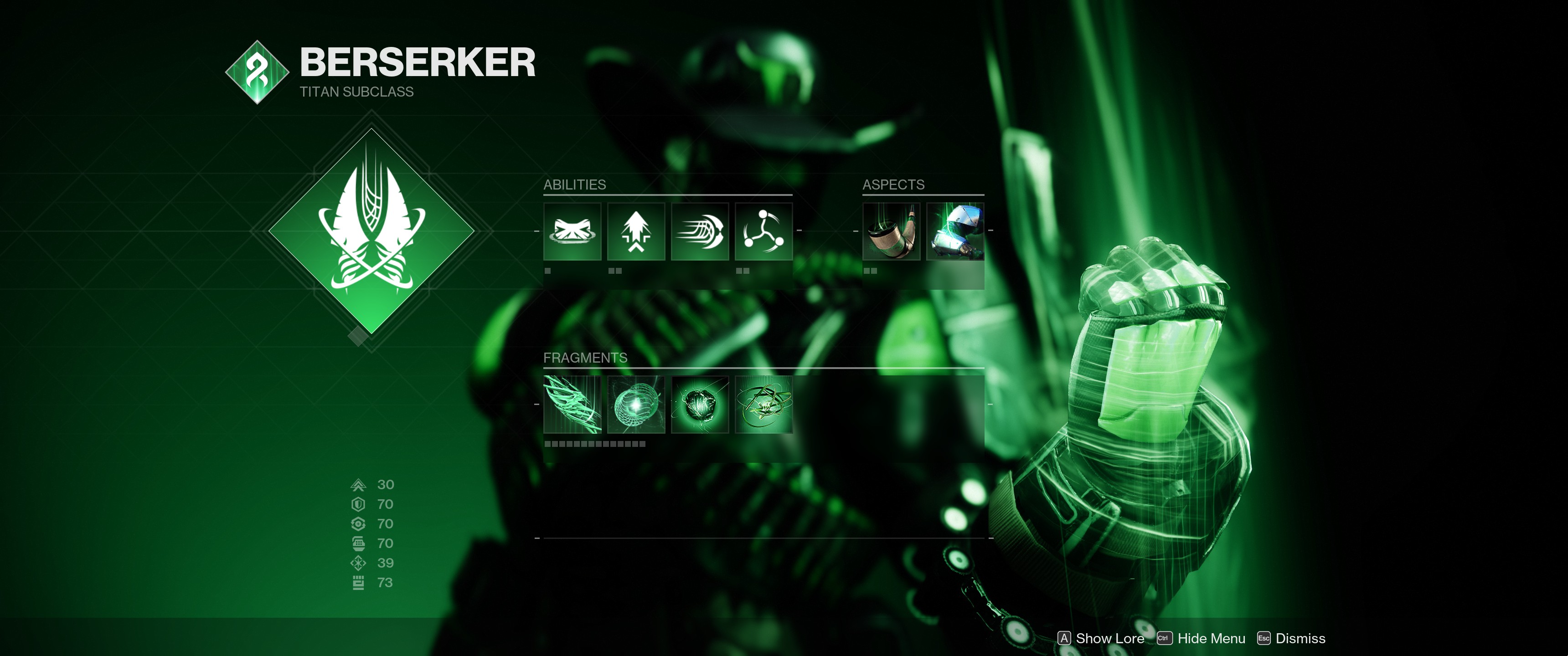
Titan Berserker
Titans get a good mix of buffs and debuffs, being able to easily acquire Woven Mail and apply Suspend and Sever. When managed properly, these effects are very powerful together.
Super
The Berserker’s super is “Bladefury”, summoning a pair of blades with two attacks: a light attack to leap at a target and slash, severing it and increasing your attack speed and granting heavy attack energy; and a heavy attack that creates two projectiles that seek targets and suspend on hit. Despite being a roaming melee super, which typically under-performs against bosses, Bladefury can put out a surprising amount of single-target damage thanks to the attack speed increases and projectile attack.
Melee
The Titan melee ability is “Frenzied Blade”, which has three charges and performs a quick dash and slash that Severs targets (similar to the super). It works a bit like shoulder charge melees, but is instant like the Stasis melee. I’ve used it to save myself when a jump comes up just a little too short.
Aspects
Into The Fray
Into The Fray grants Woven Mail to the Titan and nearby allies when destroying a Tangle (either by shooting it or throwing it) or casting their super. It works great, though I’ve found that you have to be in range of the Tangle detonation to actually get the buff; you can’t just fire at a Tangle a mile away.
Drengr’s Lash
Drengr’s Lash causes the Titan’s Barricade to create a ripple that runs along the ground that suspends and damages any enemy it hits.
Exotic Armor
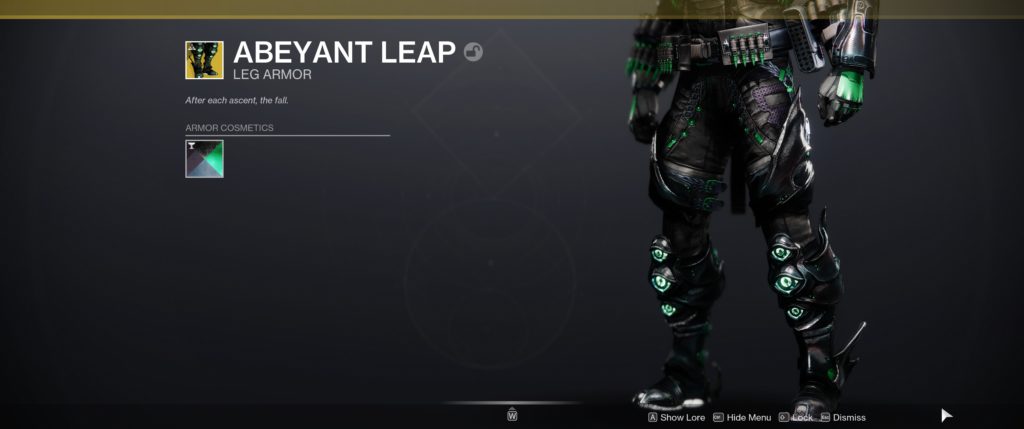
The new Titan exotic armor piece for Strand, Abeyant Leap, causes Drengr’s Lash to spawn two additional projectiles (for a total of three), which track more aggressively and travel further, and also grants Woven Mail when suspending a target. With the exotic, you can suspend large groups of enemies, and it provides an on-demand source of Woven Mail.
Titan Build
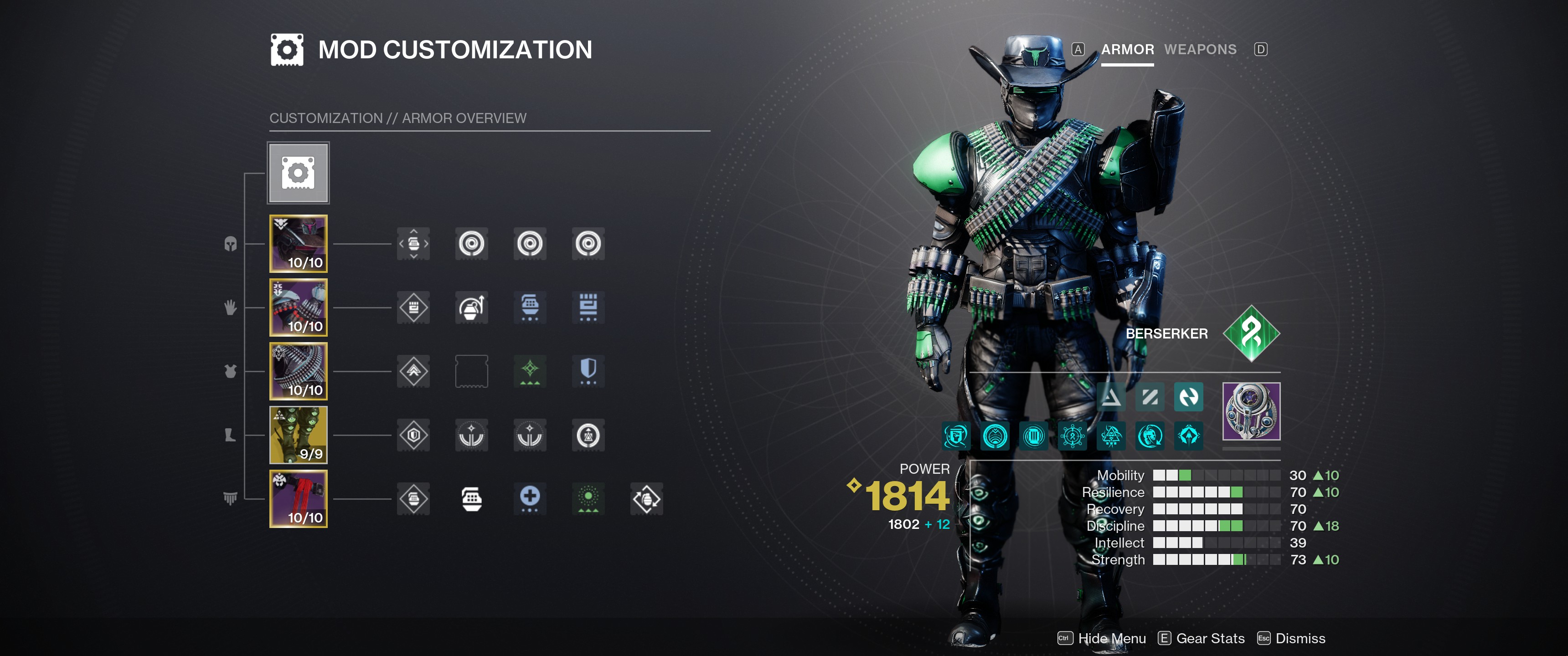
My current Titan build focuses on Suspend and Woven Mail, using the Abeyant Leap exotic and Shackle grenade to keep enemies almost perpetually held:
Class Ability: Rally Barricade Grenade: Shackle Aspects: Into The Fray, Drengr’s Lash (the only two options) Fragments: Thread of Mind, Thread of Generation, Thread of Continuity, Thread of Isolation Key Mods: Font of Restoration, Font of Endurance, Font of Vigor, Font of Focus, Time Dilation
I’m still experimenting with my Strand build, which seems a little weak at times. Previously I used Thread of Fury, to gain melee energy from Tangle damage, but since I can’t use the melee consistently (it doesn’t always activate when I press my attack key), I avoid it entirely, which means that’s usually a waste. I’ve swapped it for Thread of Isolation here, to give me more opportunity to Sever targets. I’ve been using Font of Restoration for a while to max out my Recovery stat (so I regain health more quickly), and the recent removal of all the melee-focused mods freed up a lot of room, so I put in the other Font mods to give me four maxed stats (Resilience, Recovery, Discipline, Strength) whenever I have armor charge. Time Dilation just makes those charges last longer.
Hunter Threadrunner
The Hunter’s Strand kit focuses on the new Grapple ability and mobility.
Super
The Threadrunner super is Silkstrike, which lets the Hunter use their Grapple more frequently, and also gives them a rope dart to attack enemies at close-to-mid range. The rope dart deals crit damage when it hits near the end of its range.
Melee
The Hunter melee Threaded Spike, which throws a dart that bounces between targets before returning, refunding energy for each enemy hit. Catching the spike with perfect timing rewards additional energy.
Aspects
Ensnaring Slam
Ensnaring Slam allows Hunters to use their class ability in mid-air to dive to the ground, suspending all nearby targets.
Widow’s Silk
Widow’s Silk lets Hunters grapple more often; they get an additional grenade charge (which applies to Grapple), and their grapples create a “Grapple Tangle” at the grapple point, which can be used by players freely.
Thoughts
From what I’ve heard, the Hunter kit is a bit underwhelming, with the long grapple cooldown hindering some of their mobility. The super is also difficult to keep at the proper range to ensure frequent crits (each attack steps forward). Though I’ve seen that using a different debuff (like a Tractor Cannon shot, which weakens enemies) allows the super to put out significant damage without needing to worry about positioning.
A few of the builds I’ve seen revolve around using the grapple melee to repeatedly hit targets suspended by Ensnaring Slam. It seems like it could work, but I think the Titan’s version (using their Barricade) is better.
Warlock Broodweaver
I think the Broodweaver is the most impressive of the new subclasses. It’s a minion master style class, where you get to keep an army of Threadlings to attack enemies. All classes can use Threadlings, but for Warlocks, and Threadlings they create that don’t detonate (because they can’t find an enemy) will return to the Warlock and “perch” – turning into a little green ball and orbiting the Warlock. The next time the Warlock attack an enemy, these perched Threadlings will jump down and attack the target.
Super
The Warlock super is Needlestorm, which summons a barrage of needles. The needles stick into enemies or the environment, then detonate and transform into Threadlings that seek out nearby enemies.
Melee
The Warlock melee is Arcane Needle, which summons a projectile that tracks targets and unravels enemies. There’s a fancy animation to fling the three charges.
Unravel is a very powerful effect, and when used with certain exotics, the Warlock melee can even kill bosses.
Aspects
Mindspun Invocation
Mindspun Invocation improves the Warlock’s grenade ability: Grapple weaves three Threadlings when using a grapple melee; Threadling grenades can be consumed to generate a full complement of five perched Threadlings; Shackle grenades can be consumed to gain a buff that creates a suspending detonation on every kill.
Weaver’s Call
Weaver’s Call has the Warlock summon three Threadling eggs when they cast their Rift.
Thoughts
I need to find some time to get my Warlock through the Lightfall campaign to unlock Strand and try out these Threadlings. There are a lot of different ways to create Threadlings (even using weapons with the new Hatchling perk), so Warlocks can use the Shackle grenade with Mindspun Invocation to suspend enemies.
I’ve also seen some crazy builds with the Arcane Needle melee combined with Necrotic Grips, an exotic that makes powered melee attacks poison enemies. The poison tick damage triggers the unravel effect, which will propagate the poison to other enemies (or re-apply it to the same enemy); it can even take out bosses. (It was so bad that Bungie disabled Necrotic Grips for the raid race.)
We’re a few weeks into Destiny’s latest expansion, Lightfall, and like I did with Witch Queen, I wanted to write down some thoughts. There may be some minor spoilers here.
Story
There are some interesting notes in the story for Lightfall, but it mostly feels a bit random and the tone is off. Lightfall takes us to the city of Neomuna on Neptune in pursuit of “The Veil”, an object of immense paracausal power that’s somehow related to the Traveler. After beating the campaign, you learn… Basically nothing. All I know is that it’s called “The Veil”, it’s immensely powerful, and it’s related to the Traveler in some way. The campaign mostly revolves around trying to stop Calus, now a Disciple of The Witness, from getting to it.
Well… That and Strand, the new subclass introduced with the expansion. Strand was shoehorned into the story pretty hard, to the point where some levels were entirely designed around it. When playing the legendary campaign, this was a huge annoyance, since you’re forced to give up your custom build for an underpowered Strand preset. There was one level that I chose to cheese instead of playing as intended because I felt so hamstrung by Strand. But more on Strand later.
Osiris and my Ghost
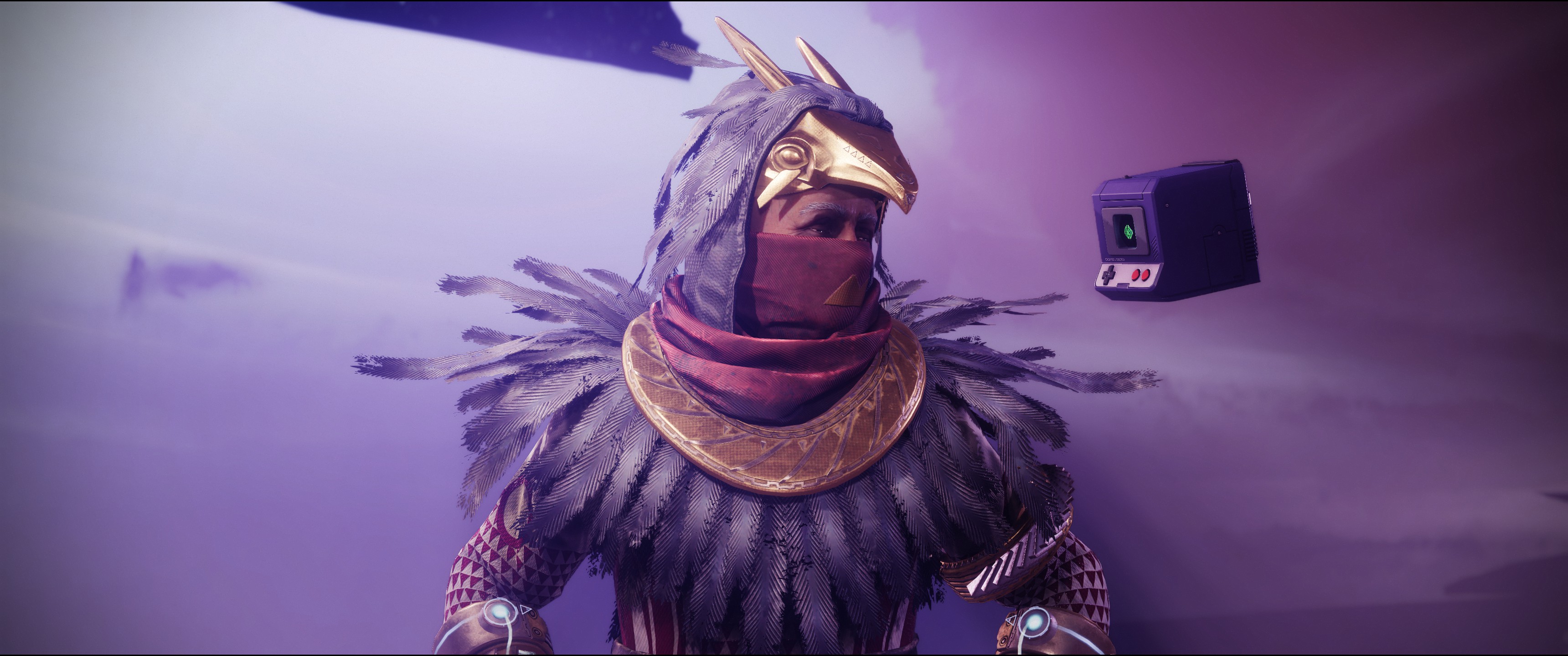
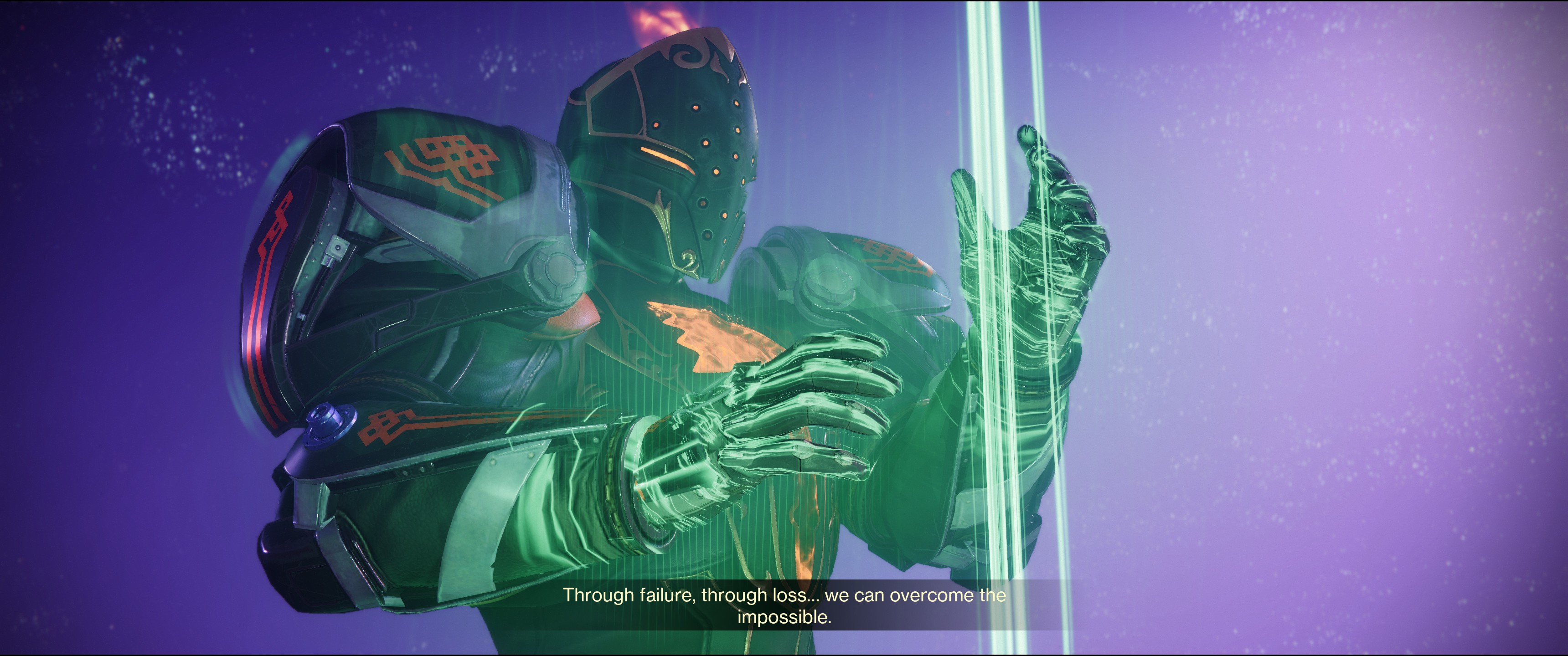
During the campaign, we mostly interact with Osiris, a former Warlock who lost his Light when his ghost, Sagira, was killed. Osiris has an interesting arc through the Lightfall campaign, where he learns to cope with his new powerlessness, and honestly this is the best part of the Lightfall story. There’s a uniquely moving moment with his character and I enjoyed his character growth.
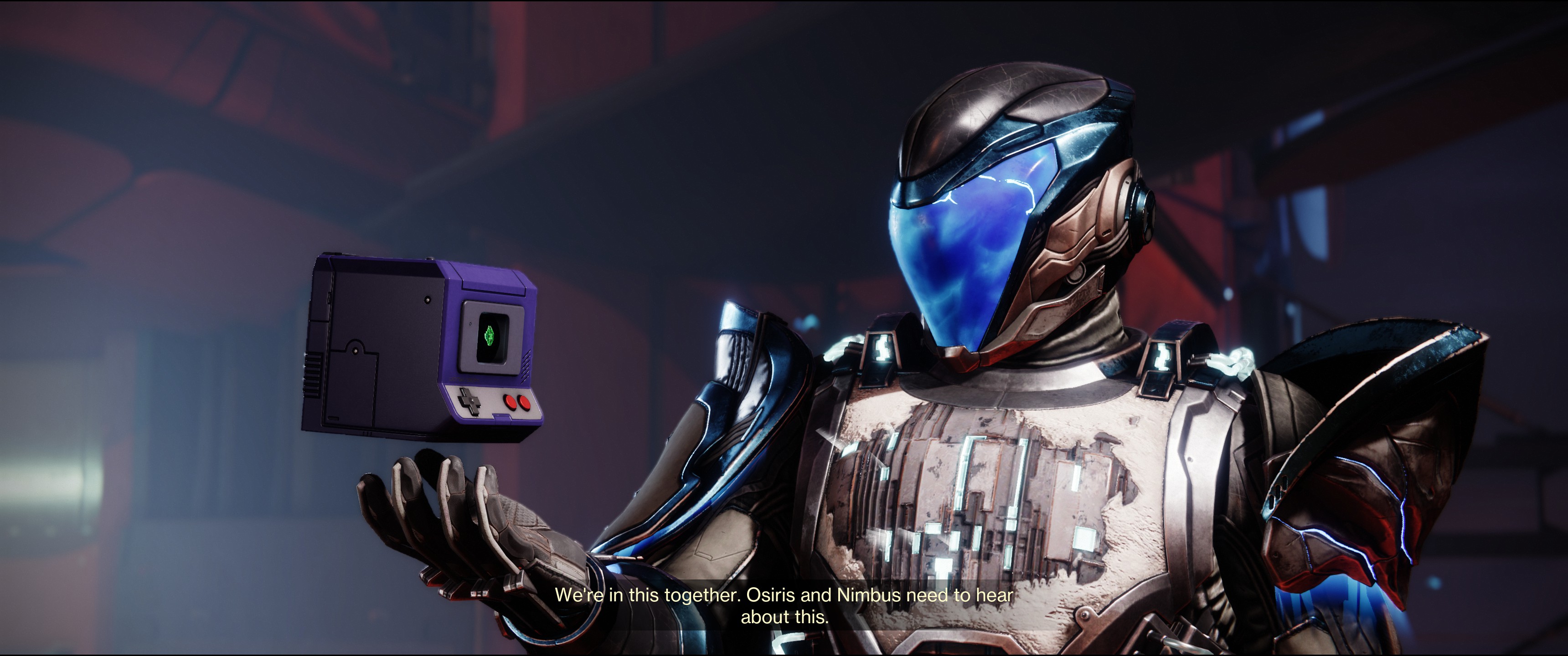
On the other side of things, we have Rohan and Nimbus, the Cloud Striders who protect Neomuna. Cloud Striders are heavily-augmented humans who act as the Guardians of Neomuna. However, this augmentation process limits them to about a decade of life before their bodies reject the augmentations (or something like that). They’re meant to be noble heroes, I think. Rohan is the near-retirement “I’m too old for this shit” protector, and Nimbus is the young new guy who’s always cracking wise. Rohan predictably sacrifices himself during the story, which is portrayed as an emotional moment, but as a player, we’ve only had about ten minutes of interaction time with him at that point, so it falls flat. (Which is distinctly different from Osiris, who we’ve known about since Destiny 1 and worked with in-game since the Curse of Osiris expansion in 2017.)
We also need to talk about Nimbus. Their character has been somewhat controversial in the community, but as for me… I hate them. I think the character designs for the Cloud Striders are weird in general, but it’s Nimbus’ attitude that really peeves me. They’re just constantly making jokes and trying to sound “cool”. There’s an in-world event where you’re trying to stop the Shadow Legion and Vex from damaging the city, and during the event, they’ll send you messages as if it’s some competition, “This has been a real give-and-take race, folks! Every party is in it to win it!”. The city they are sworn to protect is under siege. Seriously? Even after their mentor dies, nothing changes. No growth. It’s annoying. That said, Nimbus is a non-binary character voiced by a non-binary actor, and I can at least give Bungie credit for that. I just wish they didn’t make the character so annoying.
Neomuna
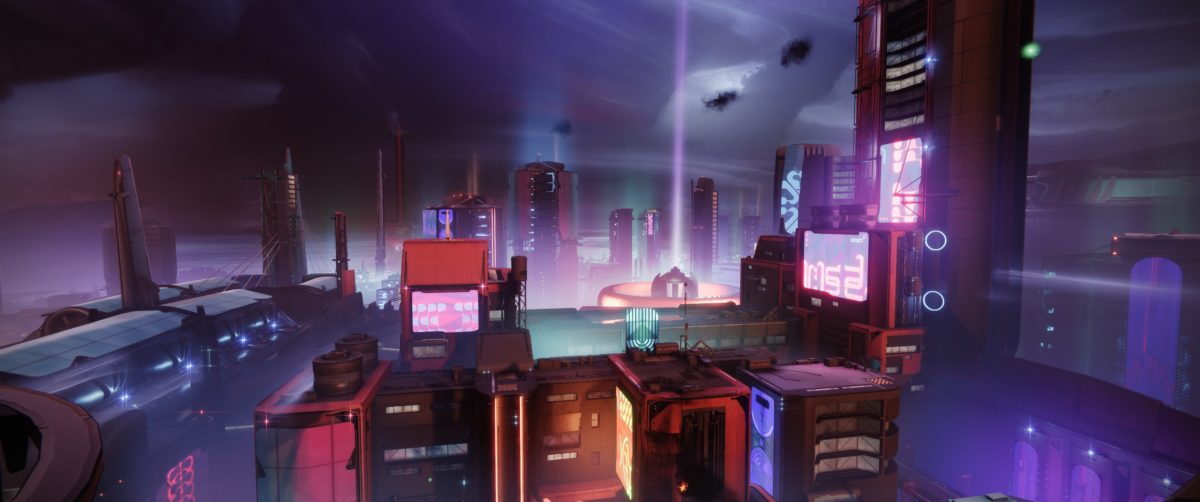
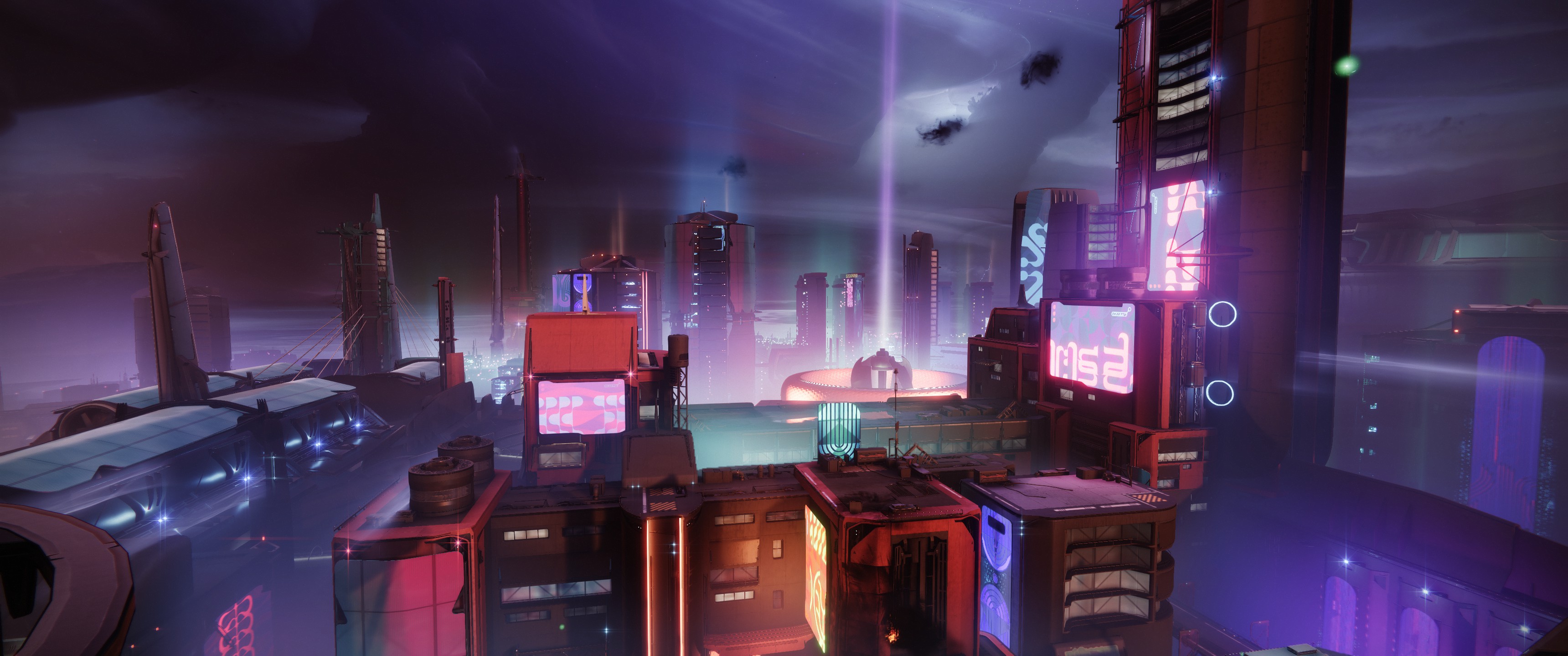
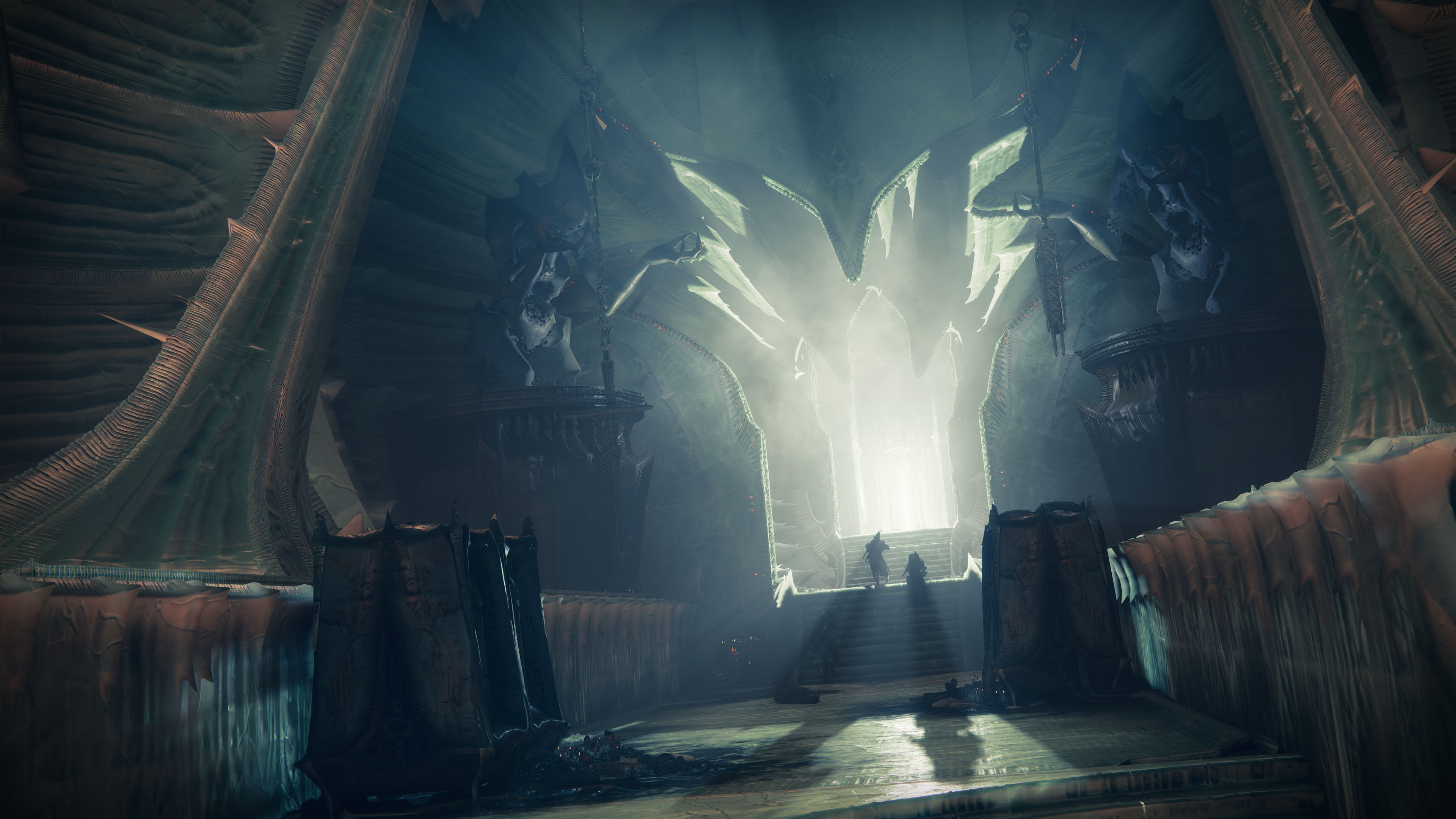
The city of Neomuna
The new destination in Lightfall is Neonuma, a hidden city on Neptune that has grown on its own since just before the Collapse with little outside interaction. Unlike the Last City and the dilapidated human outposts throughout the rest of Destiny, Neomuna is a shining high-tech city. Recent events in the story have revealed its location, which leads Calus and the Guardians to the city.
The city itself is pretty interesting. There are storefronts, highways, and some really unique architecture. You can climb some of the buildings or use Strand’s grapple ability to navigate (there are grapple nodes scattered throughout the city). As the city is under siege by the Shadow Legion, the enemies are pretty dense.
Neomuna also has two world events that rotate throughout the city: Vex Incursions, and Terminal Overload. The Vex Incursion Zone is just an area with increased Vex spawns and some Vex architecture, as well as the entrance to the weekly “Partition” mission. Terminal Overload is the real draw.
Terminal Overload is a multi-step world event with decent rewards and several boss fights. It goes back-and-forth between fighting Shadow Legion and Vex, with a few different objectives like killing a certain amount of enemies or holding a point. I enjoy playing it, though it’s pretty difficult between the number and level of enemies.
New Mod System
Before I get into Strand, I want to talk about the new mod system that was introduced with Lightfall. I was interested in the changes since they seemed to simplify the disparate systems that existed before, and while I’ve seen some people upset by the changes, I think it’s an excellent change and a solid foundation for future work.
While the old system had multiple “orb” types that could drop (Orbs of Power and Elemental Wells) and certain mods effects that only worked with some equipment (Warmind Cell mods), the new system is built around two resources: Orbs of Power and Armor Charge.
Orbs of Power are generated by your super and with weapons or abilities if the appropriate mod is equipped. Armor Charge is gained by picking up an Orb of Power, but only if an Armor Charge mod is equipped.
There are also plenty of passive mods to improve stats or ability cooldowns.
So, for example, the start of a simple solar damage build may use “Solar Siphon” to generate orbs on solar weapon kills, “Solar Surge” to grant bonus solar weapon damage when you have Armor Charge, and “Time Dilation” to make that surge buff last longer.
Overall, I think the new system is easier to understand than the old (it even color-codes the mod types), and has a lot of potential for great builds.
Strand
Strand is the new subclass introduced with Lightfall, and it’s definitely a different way to play. On the whole, Strand is about what the community predicted: new, powerful, and the Titan Berserker is a bit boring.
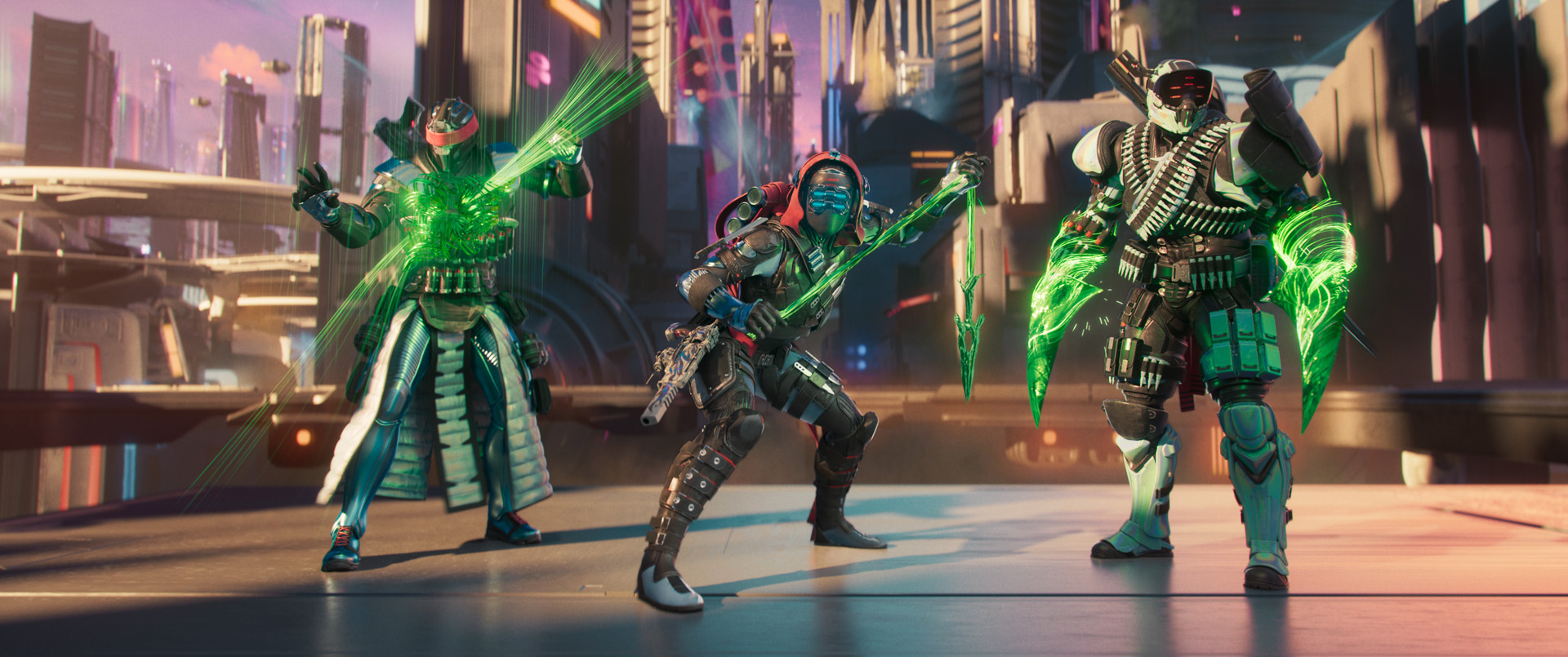
I’ll go into detail in another post, but like other classes, there are a bunch of new keywords for the class. The buffs consist of: Woven Mail, a 60% damage reduction to body shots for a short time; Tangles, created by defeating targets with Strand abilities and can be thrown like grenades or grappled to; and Threadlings, creatures created from Strand that travel along the ground, jump at enemies, and detonate. On the debuff side: Suspend, which does what it sounds like; Sever, which lowers target damage output; and Unraveled, which works like Arc Jolt effects and causes further damage to create Strand projectiles that seek other targets (or the same target if no one else is around). And finally, there are three grenade types: the Shackle grenade suspends targets, the Threadling grenade creates Threadlings, and the Grapple is Destiny’s version of a grappling hook.
Classes
Now on to the specifics each class gets with Strand. (Warlocks definitely won here.)
Titan Berserker
I’m going to start with Titan since that’s what I play. The prediction beforehand was that it would be plenty powerful, but it’s yet another boring roaming super. After playing, I’ve found that’s exactly the case. On the one hand, Bungie has finally built a melee-focused subclass for Titans that’s actually somewhat viable in tougher content. On the other hand, basically all our classes are melee-focused, so when do the others get fixed? Also, the focus on crowd control makes it almost exactly like the Titan’s Stasis subclass, though at least it’s better and more cohesive.
Titans get a good mix of buffs and debuffs, being able to easily acquire Woven Mail and apply Suspend and Sever. When managed properly, these effects are very powerful together. The new “Bladefury” super is surprisingly effective against single targets (like bosses) due to a very fast attack speed. The ranged heavy attack deals good damage but can’t suspend bosses (though it does slow them). The “Frenzied Blade” melee has three charges and severs on hit (which helps keep you alive when you’re in melee range); it also works a bit like an instant shoulder charge and can be used when a jump comes up just a little short.
The aspects Titans start with are “Into the Fray” and “Drengr’s Lash”. Into The Fray grants Woven Mail when destroying a Tangle or casting a super. Drengr’s Lash causes the Titan’s barricade to send out a wave that travels along the ground and suspends and damages enemies it hits.
The Titan exotic, Abeyant Leap, causes Drengr’s Lash to send out two additional waves (for a total of three), which travel further and track more aggressively. It also grants Woven Mail whenever a target is Suspended. It’s a fantastic Strand exotic, providing a reliable way to gain Woven Mail and the ability to Suspend entire waves of enemies.
Overall, Strand Titan is pretty strong. It’s not terrible, but it’s basically just “Green Behemoth” (the Stasis subclass). Suspend is just a different freeze, Woven Mail is a different form of the Stasis crystal damage resistance (via a fragment). Like the Stasis class, however, I’m not a fan of the melee. It’s not strong enough, and it’s been really buggy when I try to trigger it. Sometimes it triggers immediately, sometimes I have to hit the button twice; which sometimes causes it to attack twice after a delay. If it was more reliable, I’d probably use it more often. As it stands I’m mostly using it for mobility or in emergencies, and I’m focused more on suspending enemies with my barricade and grenade.
Hunter Threadrunner
The Hunter’s Strand kit focuses on the new Grapple ability and mobility.
The Hunter’s “Silkstrike” super lets them use their grapple more frequently and gives them a rope dart to attack enemies at close-to-mid range. The melee is “Threaded Spike”, which throws a dart that bounces between targets before returning, refunding energy for each enemy hit. Catching the spike with perfect timing (when it returns) grants additional energy.
Hunters get the “Ensnaring Slam” and “Widow’s Silk” aspects. Ensnaring Slam allows Hunters to use their class ability in mid-air to dive to the ground and suspend nearby enemies. Widow’s Silk lets Hunters grapple more often; they get an additional grenade charge (which applies to Grapple), and their grapples create a “Grapple Tangle” which can be used by players to grapple freely.
The Hunter’s Strand exotic, “Cyrtarachne’s Facade”, grants them Woven Mail whenever they use their Grapple ability, and gives them increased flinch resistance while Woven Mail is active. It further builds into the mobility aspect, but seems PvP-focused.
Thoughts
From what I’ve heard, the Hunter kit is a bit underwhelming, with the long grapple cooldown hindering some of their mobility. The super is also difficult to keep at the proper range to ensure frequent crits (each attack steps forward).
A few of the builds I’ve seen revolve around using the grapple melee to repeatedly hit targets suspended by Ensnaring Slam. It seems like it could work, but I think the Titan’s version (using their Barricade) is better.
Warlock Broodweaver
I think the Broodweaver is the most impressive of the new subclasses. It’s a minion master style class, where you get to keep a small army of Threadlings to attack enemies. All classes can use Threadlings, but for Warlocks, any Threadlings they create that don’t detonate (because they can’t find an enemy) will return to the Warlock and “perch” – turning into a little green ball orbiting the Warlock. The next time the Warlock attacks an enemy, these perched Threadlings will jump down and attack the target.
The Warlock super is “Needlestorm”, which summons a barrage of needles and launches them forward. The needles stick into enemies or the environment, then detonate and transform into Threadlings that seek out nearby enemies. Their melee is “Arcane Needle”, which summons a projectile that tracks targets and unravels enemies. There’s a fancy animation to fling the three charges.
The Warlock’s aspects are “Mindspun Invocation” and “Weaver’s Call”. Mindspun Invocation improves the Warlock’s grenade ability: Grapple weaves three Threadlings when using a grapple melee; Threadling grenades can be consumed to generate a full complement of five perched Threadlings; Shackle grenades can be consumed to gain a buff that creates a suspending detonation on every kill. Weaver’s Call has the Warlock summon three Threadling eggs when they cast their Rift.
The Warlock’s Strand exotic is “Swarmers”, which spawns a Threadling whenever they destroy a Tangle, and also makes Threadlings unravel targets that they damage. Since Warlocks can keep Threadlings ready nearly constantly, this seems like it could be really powerful.
Thoughts
I haven’t heard anything negative about the Warlock kit. Threadlings seem pretty strong, and being able to essentially “bank” five seeking grenades at all times is pretty powerful. It does seem like that’s it’s one trick, however, so if you’re not interested in the Threadlings, it may end up under-performing.
Season of Defiance
The season story focuses on what’s going on back on Earth. The Black Fleet has arrived and Earth is under siege, just like Neptune. The Shadow Legion is rounding up prisoners and locking them away in prison ships for some unknown purpose, and Queen Mara is helping you navigate the Ascendant Plane to infiltrate their ships and free them.
We’re only a few weeks in, but there’s already been some backstory with Amanda Holliday, and there’s a side story about her relationship with Crow. It’s honestly a bit more engaging than Lightfall’s story.
The seasonal activity is “Defiant Battlegrounds”, where you’re infiltrating the prison ships and freeing prisoners. It’s similar to past “battlegrounds”, with a little extra difficulty. They’re well designed and fun to play. Bungie knows their formula here.
They’ve also improved the rewards from the activity, so it’s worth running and re-running to unlock weapons for crafting and get better rewards.
Exotic Quests
There are a number of new exotic weapons with special quests. I won’t go too much into them to avoid spoilers, but the weapons are great and some of the quests are simply fantastic. The new exotic mission is great, with a lot of secrets to unravel.
Quality of Life
Along with the big changes, there were also a lot of quality-of-life and social updates.
Weapon Crafting
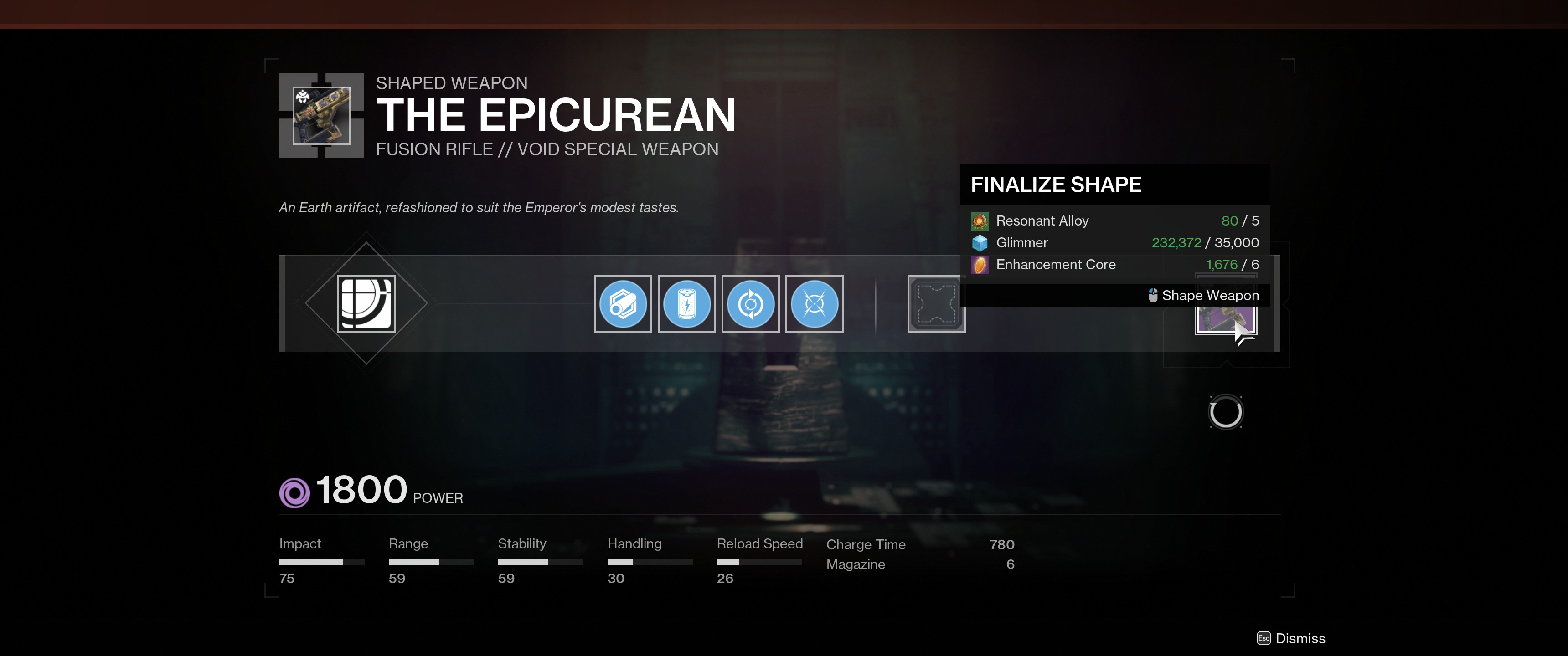
Weapon crafting has been simplified, with the removal of “Deepsight Resonance” as a resource. Now, weapons are crafted with Glimmer, Legendary Shards, and Legendary Cores; resources that have existed for a long time. Resonant Alloys and Ascendant Alloys are still around for the more advanced crafting, though. This is what I expected way back when weapon crafting was first announced.
I haven’t had a chance to craft any new weapons this season, so I’m not sure if the new costs are absurdly expensive. I’ve seen some complaints, but the one old weapon I crafted (to replace an old roll) was pretty cheap.
On a side note, Bungie stated that they were making fewer weapons craftable this season, which really bums me out. I prefer crafting weapons to grinding, so this seems like a step backward in general. There are a few Terminal Overload weapons I would love to craft, but they’re not in the set of craftable weapons.
Loadouts
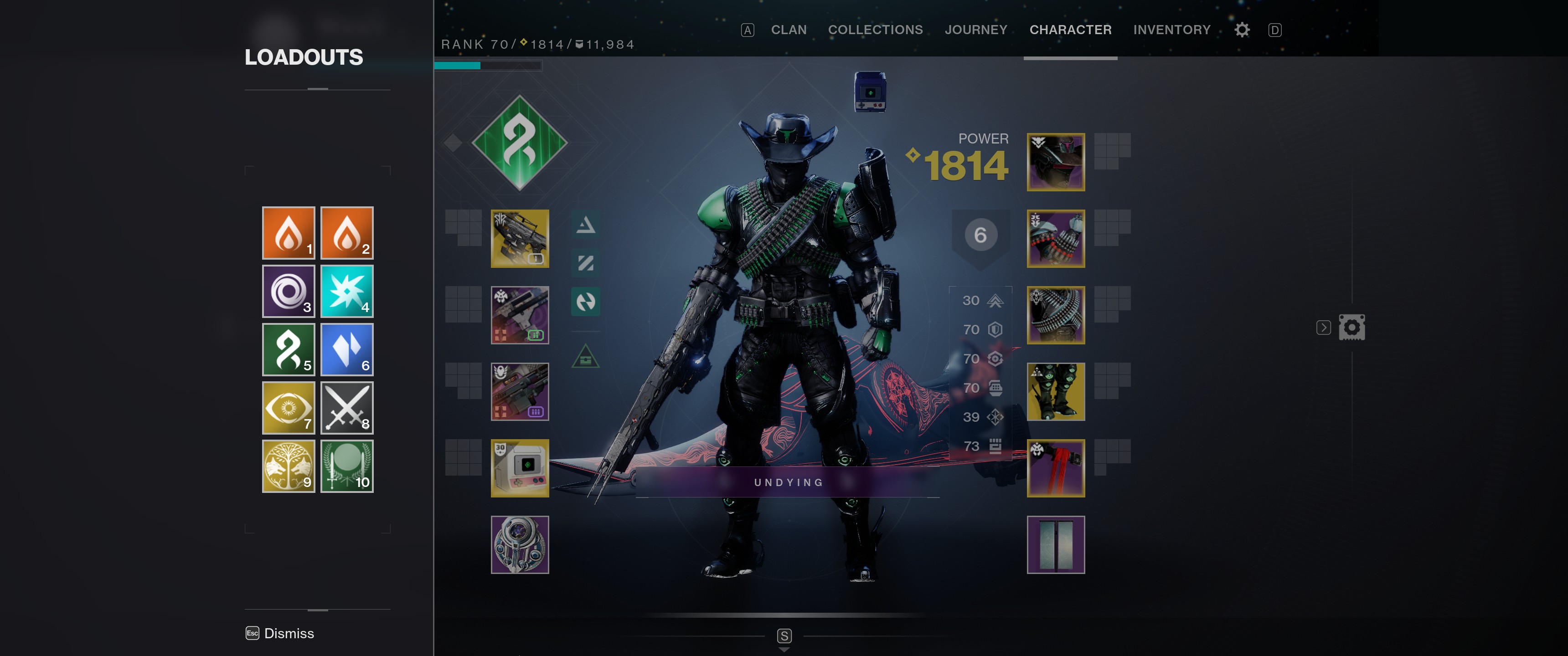
The new loadout system is pretty good, if a bit restrictive. A loadout stores your armor, weapons, mods, and ornaments for quick swapping; and the swapping is extremely quick, which is nice. However, you’re limited to only 10 at max, which is pretty limiting. (I have about 30 in DIM for my Titan.) We’ll see if it changes over time.
Commendations
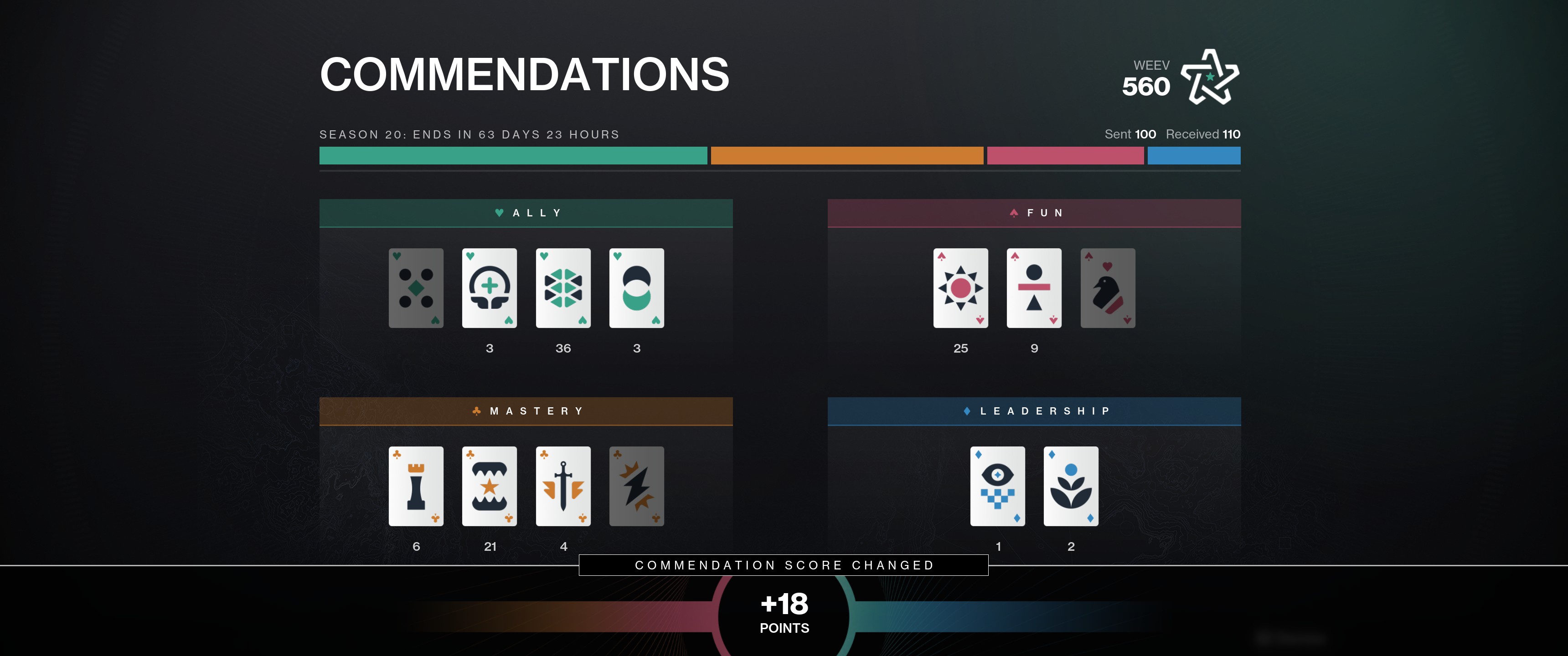
I like the new commendations system, but I think it’s a little off the mark. For one, there are Guardian Rank requirements to earn a number of commendations (750 to get to level 7!), which encourages players to hand them out all the time to help others reach the next rank (instead of only giving commendations when earned). Also, you’re limited in which commendations you can give out. If you play a Vanguard Ops mission and your two fireteam members were both fun to play with, you can’t give them both a “Joy Bringer” commendation; you’re limited to one “Joy Bringer” and one “Thoughtful” commendation. Not sure why I can’t just give what’s appropriate, even if it’s limited to one per player.
Adding them to Guardian Ranks to grind was a really bad idea, though. Commendations should be a completely separate system, encouraging players to be selective in the commendations they give out and letting them be a metric of how a particular player plays the game, not something to be given out randomly.
Guardian Ranks
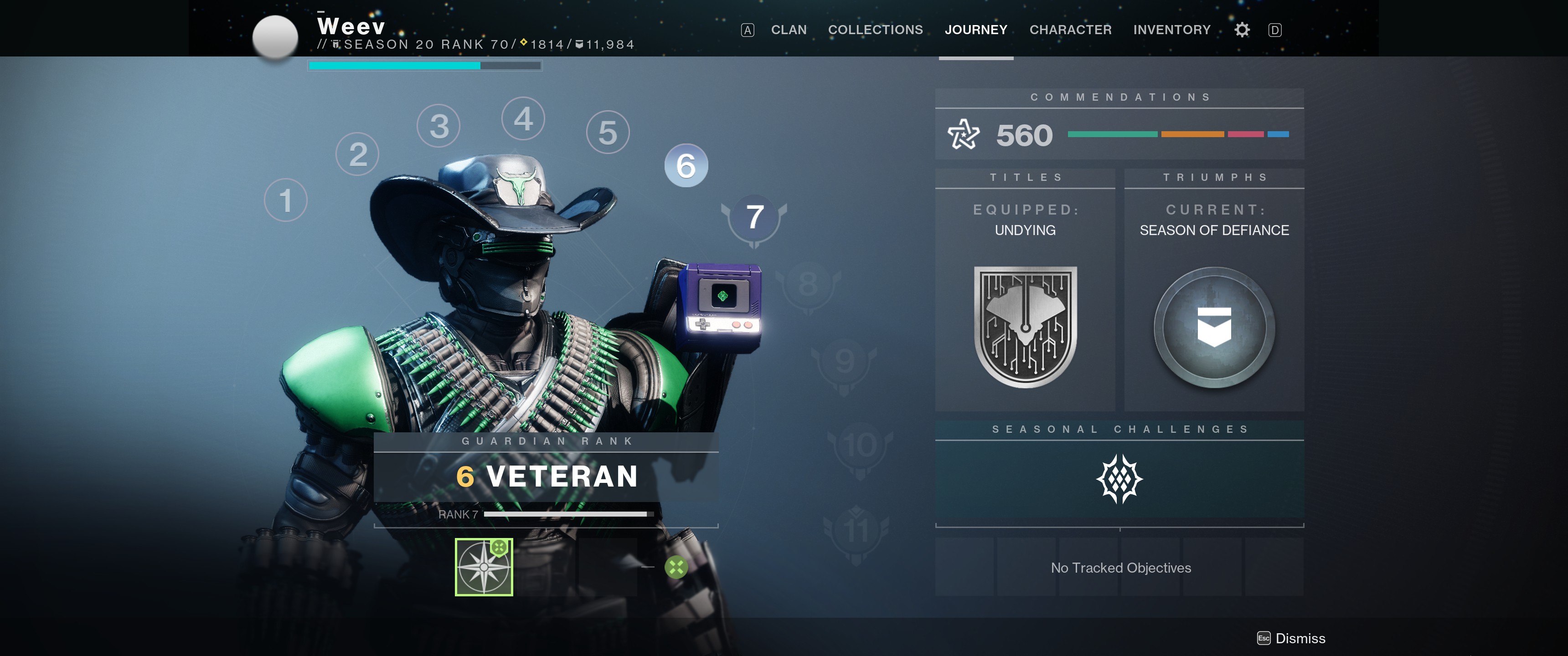
Howdy.
Speaking of Guardian Ranks, this system is a bit rough, as well. Basically anyone who has ever played Destiny before started at rank 6. If you’ve played every Raid and completed every Dungeon on Master difficulty, you’re still the same rank as the player who’s around once in a blue moon. It doesn’t truly speak to a player’s level of experience.
In addition, Guardian Ranks will reset every season. So instead of being something that should indicate how experienced a player is, it’s just a different way of showing how much someone has been grinding a season. Which is exactly what we had before with the seasonal ranks being displayed.
So I’m level 6 and until I’ve finished a bunch more random objectives, I’ll still be level 6. And next season, I’ll start at level 6 all over again, which doesn’t give any feeling of progression. It feels off, even if that was the point.
Overall
I think Witch Queen was a better expansion overall. Like a lot of people, I’m disappointed by Lightfall’s story; there’s been communication from Bungie that indicates there will be Lightfall-specific story beats throughout the year in other seasons, but Witch Queen‘s story felt complete without needing a year to finish telling it. The campaign itself feels padded with the Strand stuff, which would have been better handled as a set of side quests.
The season itself is fine and follows Bungie’s typical formula. The new Commendation and Guardian Rank systems also seem to follow the typical Bungie pattern: they’re really rough or broken at start and get fixed over time. Already, they’ve lowered the number of commendations needed to advance Guardian Ranks. (Though the correct answer here would have been to reduce the necessary amount to zero.)
I’m still invested in the story, but Bungie has definitely made a few missteps with Lightfall. Hopefully the coming year smooths things out.
Back in February 2022, I wrote about my first impressions on The Witch Queen expansion. Over the past year, there have been a lot of changes, and I’m looking forward to the changes coming in Lightfall, so I thought I’d put down my thoughts about where Destiny’s at now and what I’m looking forward to in the future.
Campaign
The legendary campaign was a great addition, which was difficult but rewarding. The campaign itself was a great journey, leading you through Savathûn’s Throne World and into a final confrontation with the Queen herself. There was a bit of mystery woven into the narrative, appropriate for the queen of deception and lies. I thoroughly enjoyed the campaign, though it only took me about three days to complete. I played most of the campaign solo, and it took about 30 minutes to an hour for each mission (which, compared to single-player games, seems about right).
After the campaign, a number of other missions open up that can be repeated and reveal a little more narrative. There’s the “Altar of Reflection” missions where Savathûn has basically left recorded messages for you. These messages are typically “two truths, two lies” and provide more background narrative. Then there’s the “Preservation” mission that leads you into one of the Witness’ pyramid ships where several interactive objects provide a lot of narration from Rhulk, a disciple of the Witness with information about where their people came from and how they started on the path of Darkness.
Overall, the campaign was very fun and had several memorable moments.
Seasons
The seasons over the past year have been pretty good, with some that push the narrative and some that serve more as placeholders, which has become the norm.
Season of the Risen
Season of the Risen aligned with the campaign, providing more content around the Lucent Hive, and the investigation into how they got their power and how to fight them.
The new seasonal weapons were a great way to launch weapon crafting, with several I still use like the Syncopation-53 stasis pulse rifle, Piece of Mind kinetic pulse rifle, and Explosive Personality solar grenade launcher. The seasonal exotic, Dead Messenger, is still a powerful weapon that I see most often used in PvP (though it’s great in PvE as well). A few of the random drop weapons are so good I wish I could craft them, like the Krait and Herod-C stasis auto rifles and Perses-D stasis scout rifle.
Season of the Haunted
Nicknamed “Season of Therapy”, this season had narratives centered on the personal demons of Crow, Zavala, and Caital. The Derelict Leviathan, Calus’ ship, returned to the moon and was a fantastic patrol zone, with an open-world event and great enemy density.
Weapons from the Season of Opulence returned, with some favorites like the Calus Mini-Tool SMG, Beloved sniper rifle, and Drang (Baroque) sidearm. The new seasonal weapons were kind of a flop, though I still enjoy my Without Remorse shotgun.
Season of Plunder
Season of Plunder felt like a filler season, with Guardians chasing “Artifacts of Nezarec”. Nezarec was a Guardian in the lore who was tempted by Darkness and became a Disciple of the Witness. (Warlocks have an exotic helm called “Nezarec’s Sin”.) Eramis has been awoken from her icy prison (she was frozen at the end of the Beyond Light campaign) and has been collecting these artifacts. You “borrow” a ship from Spider and venture out to steal these artifacts back from Eramis’ lackeys.
Though narratively it felt like filler, the seasonal activity was fantastic. Everything was appropriately pirate themed, from the weapons and armor down to the soundtrack. You set out from your ship and launch yourself to an enemy ship, then storm through several encounters on the ship before facing an enemy captain.
Season of the Seraph
As with Season of the Lost at the end of Beyond Light, Season of the Seraph seems to mostly serve to set up Lightfall, though I loved the narrative. We start off retrieving Clovis Bray to help us revive Rasputin, the AI Warmind built to serve as humanity’s protector. The seasonal activity has us performing “heists”, delving into Warmind bunkers to retrieve parts of Rasputin’s code to reassemble him. Meanwhile, the Hive and Scorn are in the bunkers attempting to take control of the warsats to attack Earth and the Traveler. When Rasputin regains control of the warsats, we learn that using them to wipe out our enemies would play right into Xivu Arath’s plans, serving as a massive sacrifice to empower her. Rasputin starts searching for an alternative, but in the end determines that the only option is to destroy himself and the warsat network. In an epic finale, we infiltrate the control facility for the warsats, inject Rasputin’s code, and just barely manage to stop Eramis from turning the warsats on the Traveler.
Like Season of Plunder, the activity this season was great. It was at a set difficulty, five levels above your current level, ensuring it provided a good amount of difficulty. Bungie has said that it’s the model they plan to use in the future.
Light 3.0
The Witch Queen expansion brought the “Light 3.0” class reworks over the course of the year, and I think they were very successful, at least from the perspective of a Titan main. I know there are several classes that are still very weak (all roaming supers) or overly powerful in particular modes (void overshields in PvP), but I feel like the changes have helped breathe new life into the classes.
Void 3.0
I think the Void rework for Titans was near-perfect. In Destiny 1, Void was meant to be the “immovable object” aspect of Titans, and Void 3.0 gave us the ability to create Void overshields with our barrier, making Titans (and allies) very tanky. I didn’t play Void much before the rework, but it’s become my go-to when I need durability for high-level content. I used Void during the final boss fight during my solo Seraph’s Shield exotic mission runs.
While I’m not a Hunter or Warlock expert, I think the Void rework turned out well for these classes as well. For Hunters, Void epitomizes their stealth aspect, with plenty of options to gain invisibility (which is still a nightmare in PvP, even after nerfs). For Warlocks, their Child of the Old Gods pet and easy access to the Devour buff is very powerful.
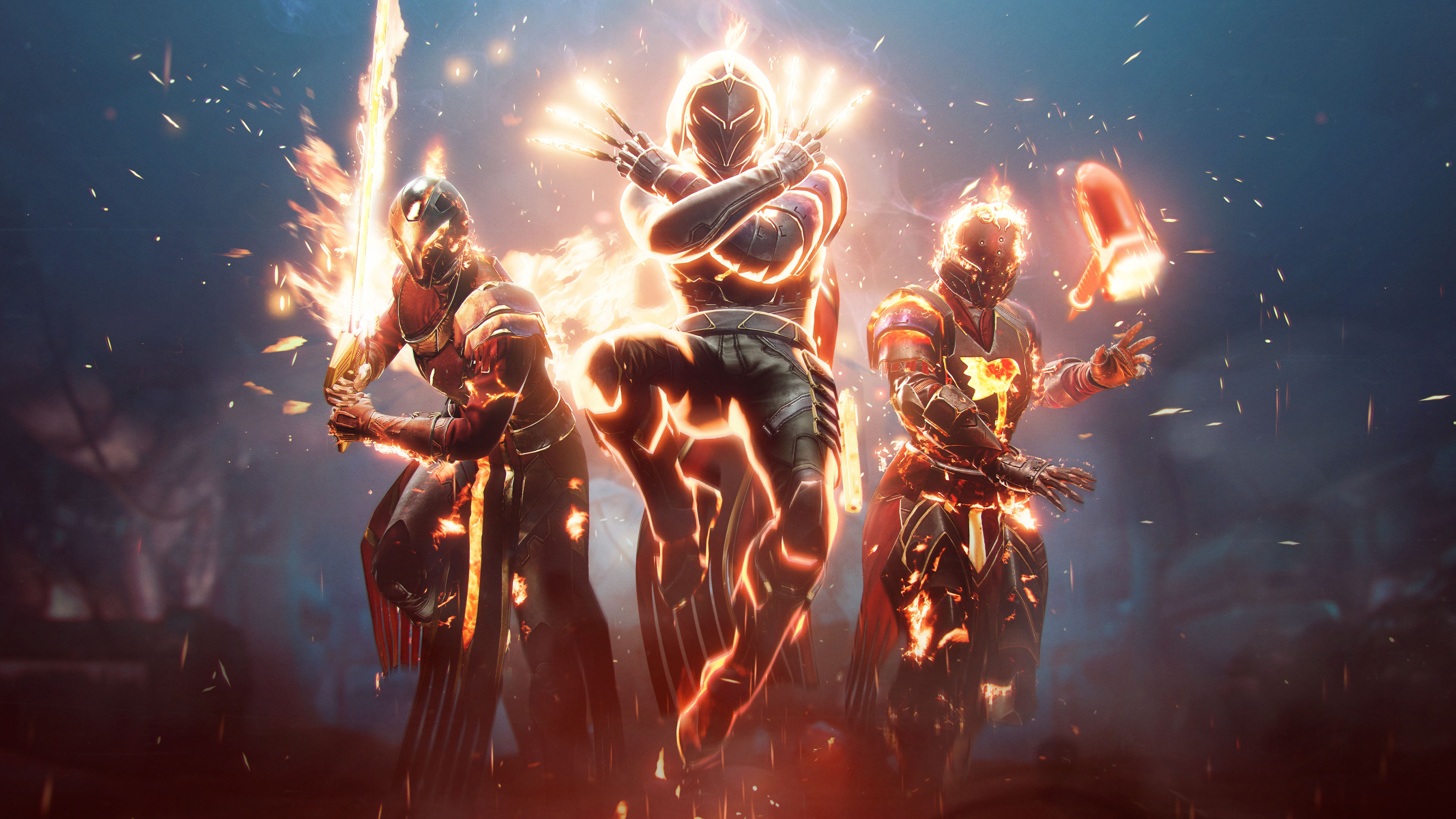
Solar 3.0
I think Titans “won” the Solar rework. Solar was my preferred subclass before the reworks, and I mostly ran the aspect with sunspots (since the sunspots were powerful and it had my preferred super). However, I loved the throwing hammer melee, which could be retrieved to instantly restore my melee energy, but it was part of a different aspect. The 3.0 rework for Solar now lets me use the throwing hammer, create sunspots, and use my preferred super. The addition of the Loreley’s Splendor exotic helmet also lets me create sunspots with my barricade ability, allowing me to create a healing and ability regenerating sunspot whenever I like. I haven’t used Solar much since the Arc rework, but it’s probably still my favorite subclass.
Hunters got a much more powerful Blade Barrage super and a new dodge ability to instantly apply Radiance, which provides a weapon damage buff. Warlocks got a grenade upgrade aspect, which gives them some of the most powerful grenades in the game.
Arc 3.0
The Arc rework has been a lot of fun. Titans got a new “thruster” dodge ability that replaces our barricade and a new “thunderclap” charged melee (the first such melee in the game). Between the thruster ability, the Arc “speed booster” buff, and the standard Arc shoulder charge melee, Arc Titans are extremely mobile. Arc is also the Titan’s grenade class, so we have some overcharged grenade abilities. During Season of Plunder, when the Arc rework was introduced, there were some modes where I could use grenades as my primary weapon. Things have been nerfed since then, but I can still spam grenades in most content, and the extra speed and mobility has kept me playing the class throughout the past season.
Hunters got a new super that allows them to throw their Arc Staff at a location, where it sticks and creates an AoE damage field. It’s hilarious when a Hunter with good aim impales it in a boss’ face. Some players have also found out you can impale it in a sparrow and get a roaming damage field. Warlocks got aspects to enhance the Ionic Traces generated from most Arc abilities, giving them better ability uptime; as well as a new “ball lightning” melee and an aspect that changes their melee into a lightning dash with a small AoE (which, with minor buffing, can get one-hit-kills in PvP).
Looking Back
Looking back, I think this has been a great year for Destiny. One of the main draws for me has always been the story, and the narrative has been progressing steadily throughout the seasons. Weapon crafting has eased the weapon grind a bit, with some really great crafted options, and the process was simplified quickly after its initial rocky release. The Light 3.0 reworks have made buildcrafting a lot more fun and opened up a lot of possibilities.
Overall, the changes over the past year have kept me excited about what’s coming next.
Looking Ahead
Bungie has been pretty open over the last few weeks about what’s coming in Lightfall, and while I’m mostly excited for what’s ahead, some of what they’ve shown hasn’t had the best reception.
I’ll start with the things I’m most excited about, though.
Quality of Life
Lightfall is bringing a number of quality-of-life changes, like a new loadout system, fewer currencies, and some streamlining to several systems they’ve used in the past. I’m most interested in the loadouts, since that should help with buildcrafting and loadout swapping without needing to use an external app.
The buildcrafting itself is getting a big change, with armor elemental affinities going away (good riddance), and a completely new “armor charge” system with mods built around it. It sounds like buildcrafting will be easier but also allow more variety.
There are also some improvements coming around weapon crafting and random drops. Random drops will gain the ability to have the enhanced perks on crafted weapons, which should make a good roll of a weapon valuable (rather than random rolls of craftable weapons being trash since you can’t enhance them). Weapons that cannot be crafted will no longer drop with Deepsight Resonance (the way you unlock crafting recipes), which should make things a bit clearer for new players. And there’s been a little talk that the economy around crafting weapons will change as well, though I haven’t seen many details around that.
Guardian Ranks
Guardian Ranks should be a great way to determine where a player is in their Destiny career and provide guidance to new players for things to do. I’d like to think that I’ll be near the top when the ranks are introduced (having played since launch), but I haven’t run most of the raids so I’m sure I’ll be behind on things. Regardless, I think it’ll be a great way to understand how experienced players are.
More Social
Bungie have said they’re switching to opt-out for text chat, which should let players communicate more easily. (There are probably some players who don’t even know there’s text chat in Destiny.) They’re also adding a new “commendation” system after matches, which should let players reward each other for friendly play. The LFG functionality that’s currently in the Destiny app unfortunately isn’t coming with Lightfall’s release, but hopefully isn’t far behind.
Strand
The Titan even looks bored in this promotional image.
The unveiling of the new “Berserker” Strand subclass for Titans has landed pretty poorly, and Bungie’s damage control since then hasn’t done much to inspire confidence. Hunters look great, and Warlocks look amazing, but Titans have been presented with another melee-heavy class with a roaming melee super (making the vast majority of our supers roaming melees, something like 5 or 6 of the 8 total). Comments from Bungie after only made it worse, with one of the lead designers saying “…at the end of the day, you’re holding the fist on the cover”, which, aside from being poorly worded, is a position that Bungie themselves have put Titans in, like a self-fulfilling prophecy. During the ViDoc with the development team, they were obviously excited to talk about Hunters and Warlocks, then had little to say about Titans. It’s to the point where I’ve spent the last week building up my Warlock so I can enjoy the new subclass.
All that said, I think the Berserker Titan will be plenty strong, and will likely be one of the most powerful melee subclasses in the game (it had damn well better be, since that’s it’s one trick). The reception from the community isn’t really based around the strength of the class but rather about its originality, which basically seems to pick parts from other subclasses and combine them. In the case of the super, it’s basically the same as the Stasis super with some different flavoring. I’m hoping it’s fun, but I’m hoping more that they come up with something better for The Final Shape.
Closing Thoughts
The Witch Queen has been a great expansion for Destiny, adding some much-needed changes with weapon crafting and the Light 3.0 rework. It pushed the narrative, both revealing The Witness and moving toward our final confrontation.
While the unveiling of Lightfall has been a bit of a flop for Titans, I’m still excited about the future of Destiny. I’m just disappointed with how the Titan class is shaping up overall. I think the design team at Bungie has largely forgotten what it means to be a Titan; devolving us into the punching class which, while certainly part of the identity, is boring and completely ignores a large part of our class identity. Hopefully they can course-correct before The Final Shape.
Beyond that, I’m very excited about what’s coming to Destiny. The new social aspects should make it easier to reward players and identify those worth playing with. When the LFG functionality is introduced, it should be easier to find groups for higher-level content. Combined with Guardian ranks, it may even prove a better way to restrict who can join you (i.e., an alternative to the “know what to do” groups in the app).
There are some great things coming, and I’m looking forward to seeing how things shape up.
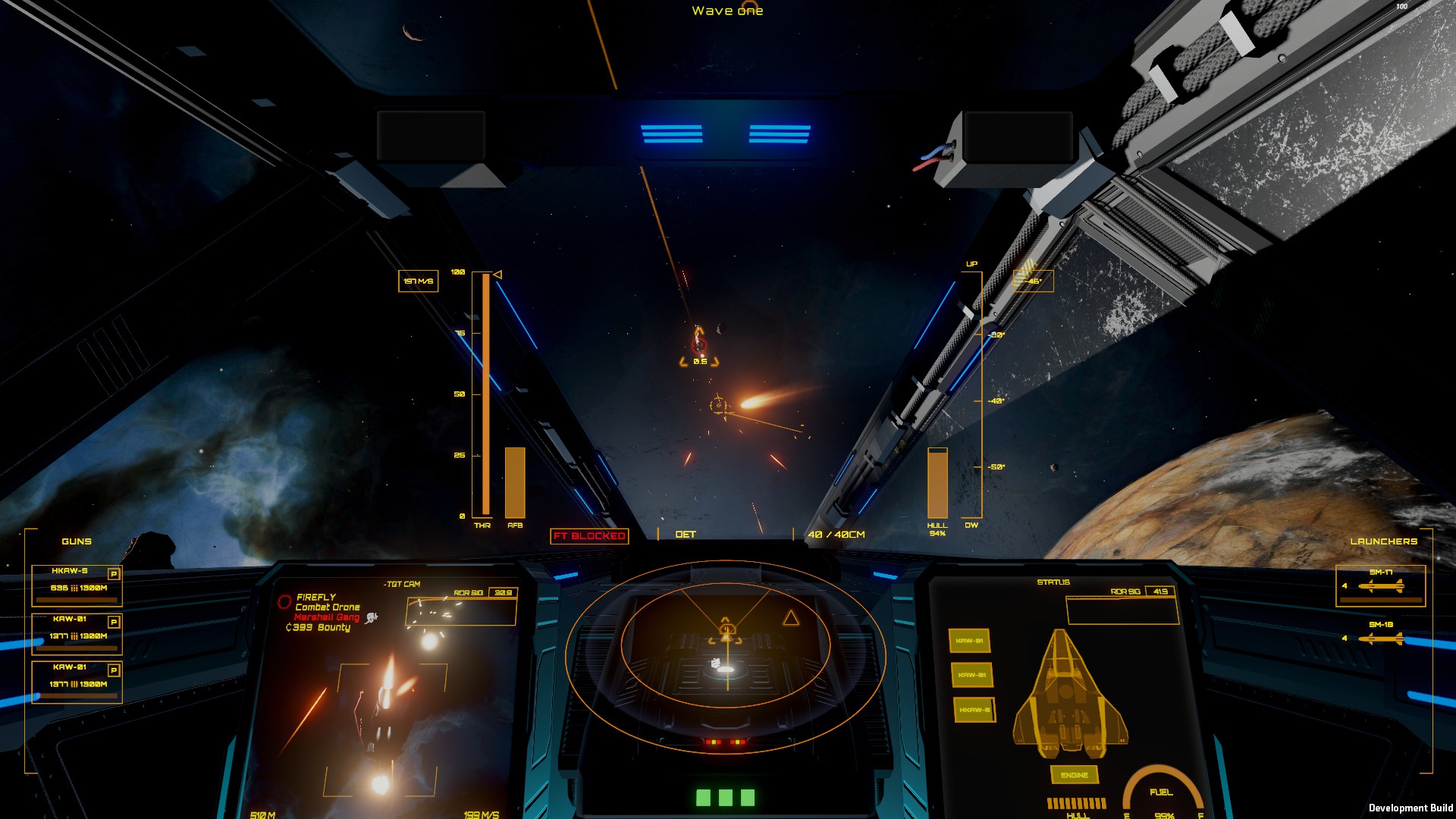
I’ve actually played this demo a few times to see how things are coming along. I love the idea behind the game, but the combat is frustrating to me. I think it’s mostly due to some controls (which I have to relearn every time I play), but also because of very limited ammunition. You’re dropped into an area to patrol and dogfight, outnumbered and outgunned. In all my experiences with the demo, I typically die from attrition; I have a hard time actually hitting targets (despite lining up my lead indicator), and I eventually run out of ammo or get slowly whittled down by random hits. Maybe games like Everspace have just spoiled me when it comes to accessible space combat. That said, I really like the style and what they’re working toward, so it’ll stay on my wishlist for now.
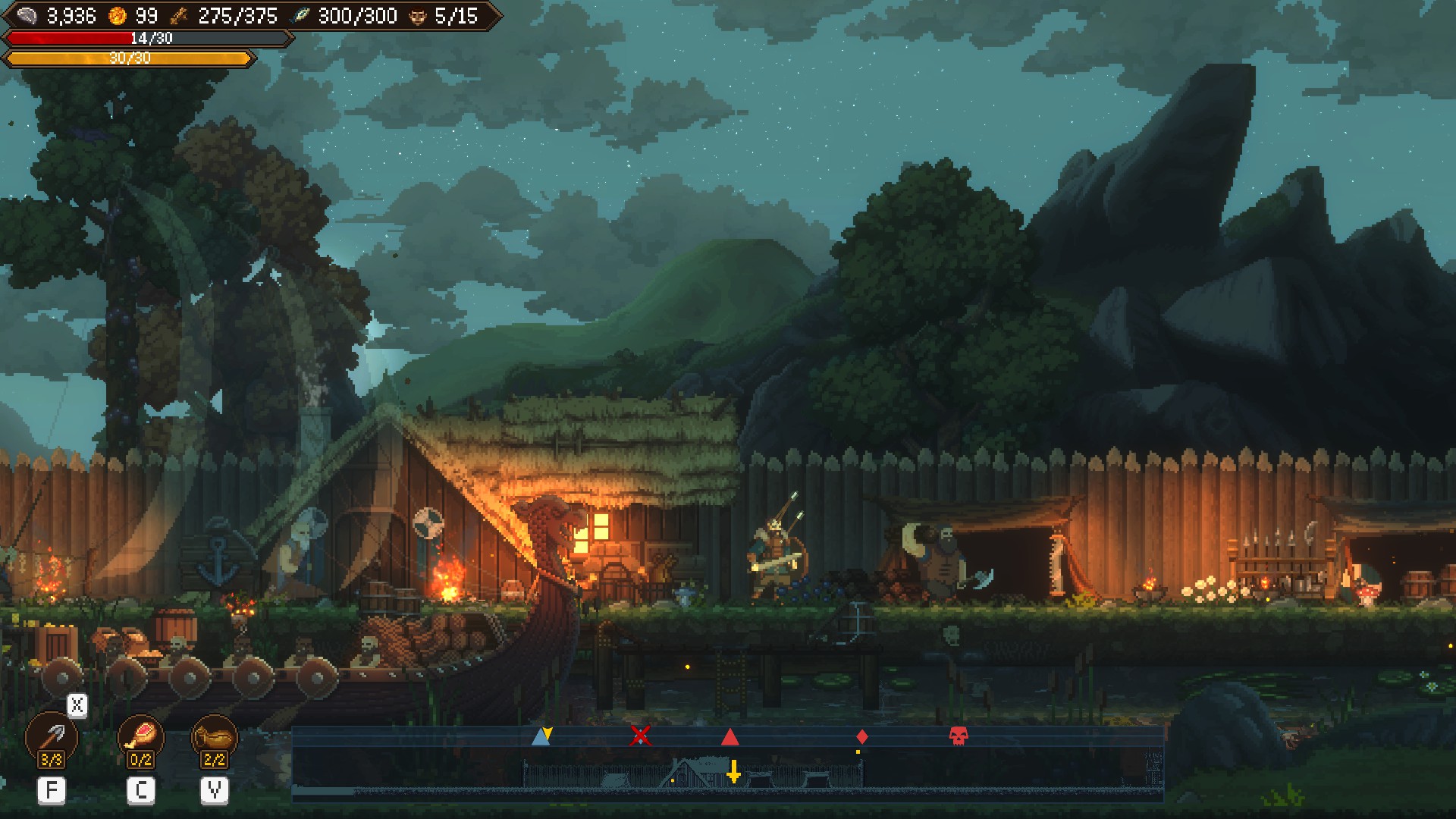
A Viking-themed Kingdom-style side-scrolling building, exploration, and combat game. The start felt really grindy to me, having to go get a few hits in, then retreat to heal (during which the enemy had fully restored their forces). Felt like I was hitting a wall and going nowhere, despite building up my forces. I assume something’s just not clicking with me. Has that same pixel art style as Kingdom, too.
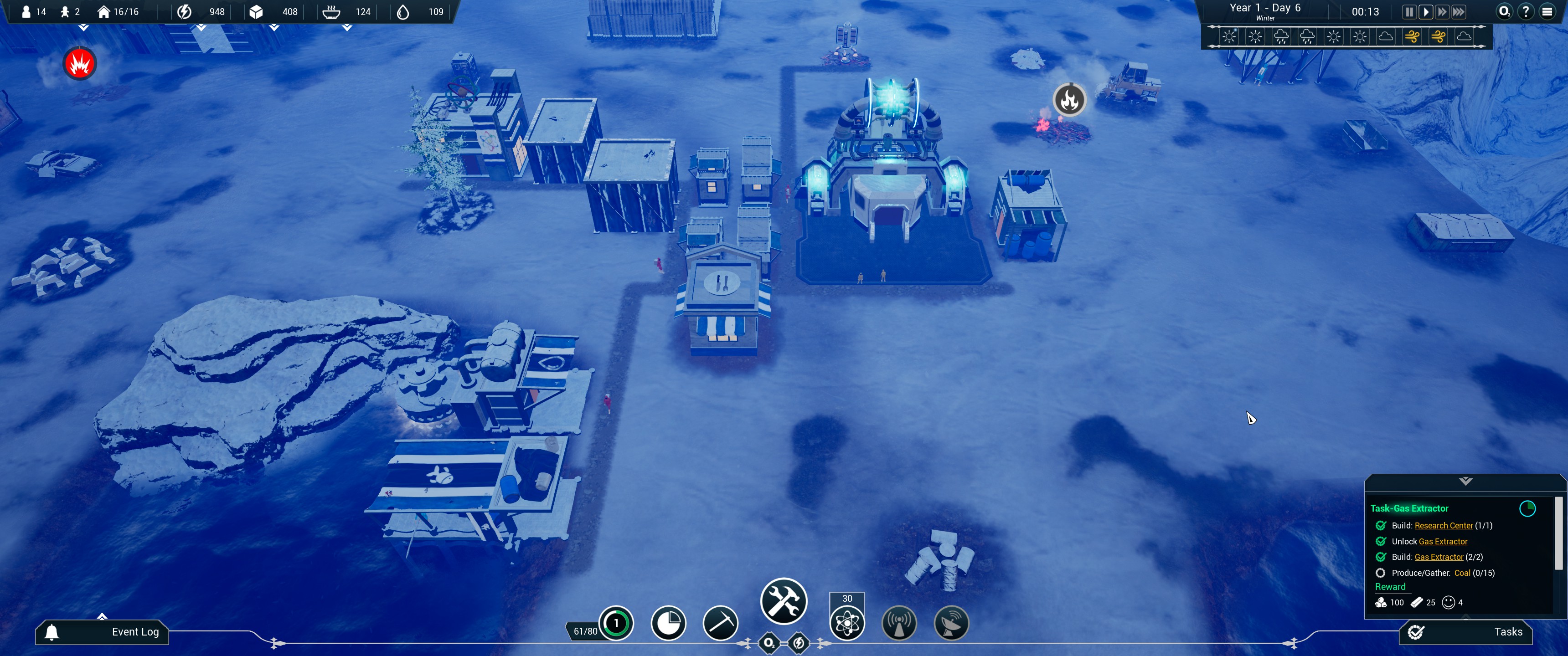
Survival city builder in the vein of Frostpunk. Magma bubbling up through fissures has caused Earth’s atmosphere to become toxic. Instead of a generator producing heat to fight the cold, you have an “oxygen center” producing oxygen to provide oxygen for your population. There didn’t seem to be anything that really made Oxygen stand out, but it’s not bad.
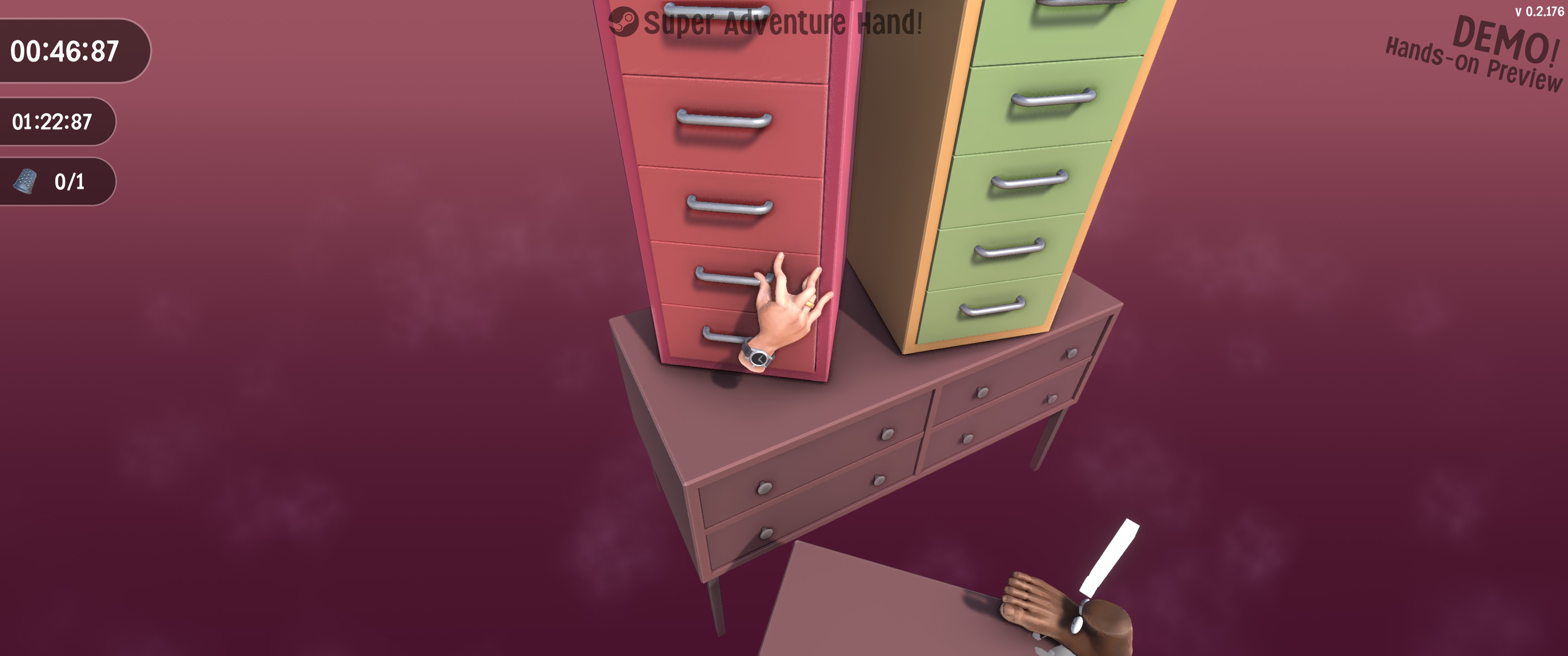
I first saw this on Reddit (the Unity subreddit), and thought the idea of a hand walking around looked interesting (also bizarre). When I saw it in the Fest with this fantastic title, I decided to give it a try. It’s a physics-based puzzle platformer with some quirky humor (you get chased by feet with eyes in some levels). Fun to play, pretty easy to get into.
I’m sure it’s fine if I just drag this delicate telescope mirror around on top of my rover.
I enjoy the occasional open-world vehicle-building puzzler, like Main Assembly or Trailmakers, and this one is more of that type. Mars First Logistics has an art style like Sable (which is beautiful), and tasks you with modifying your rover to deliver goods from point to point. The goods you deliver help build up infrastructure on the red planet, like a telescope in the demo.
Basically Raft with some Subnautica flavor and interesting theming. There’s some Norse styling which is hopefully tied into the story somehow and not just something to look cool. Hopefully there’s something you can build to automatically collect scrap in the full version because boy does that get boring fast. Looks great, and maybe they’ll throw in a peaceful mode so I can just build my train.
A voxel survival city-builder with some RPG elements. You get a hero that levels up and is your main defender while building a city to harvest resources and fulfill the needs of your workers. It looks like you can recruit soldiers but I could never figure out how. At night, the undead rise and attack your city, which you have to fend off with your hero (and, presumably, soldiers). During the day, you’re free to explore the surrounding area, killing off roaming enemies and destroying small outposts. The UI can be a little obscure sometimes, but the game as a whole is pretty decent.
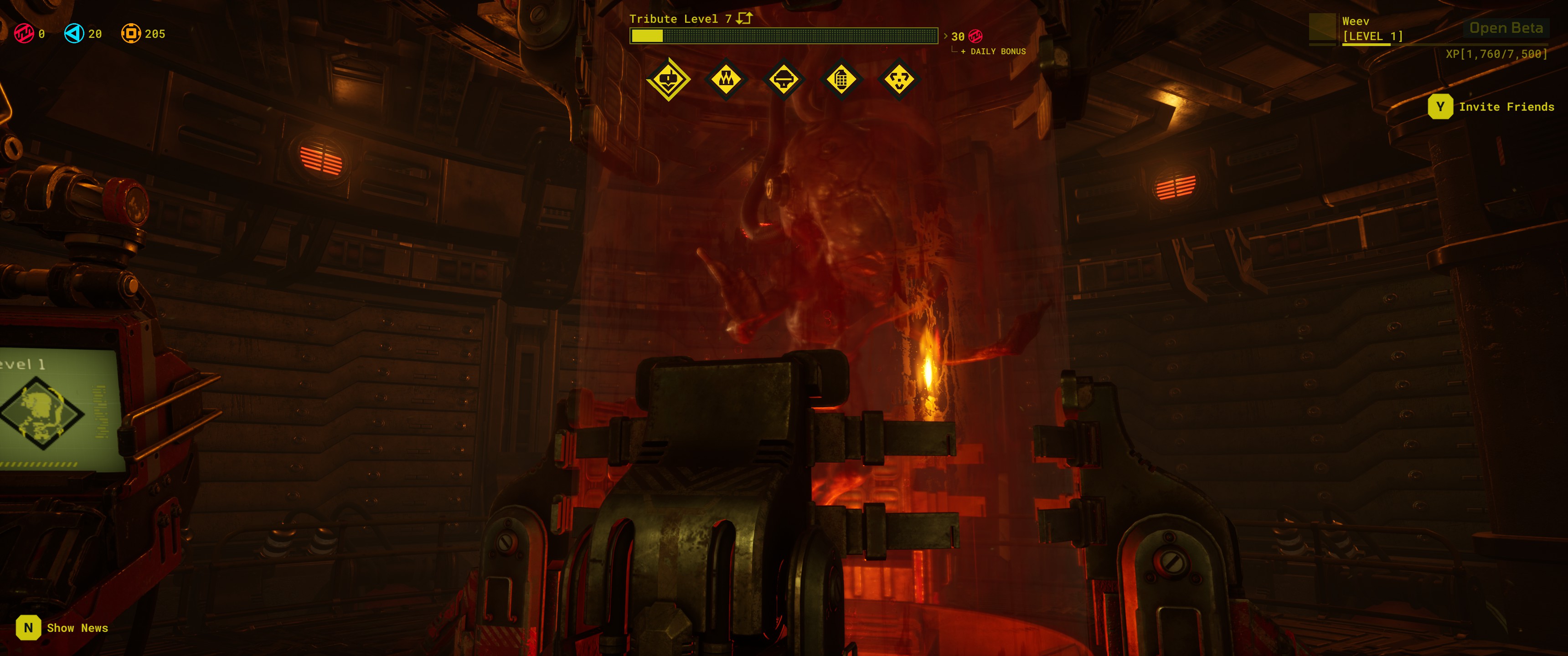
An FPS where you raid player-built bases to steal resources, which you use to level up your equipment and build your own bases. The bases are basically small mazes you fill with traps and guards. Has a post-apocalyptic cybernetic body-horror aesthetic. I’m not sure what happens when your base gets raided (do I lose resources?) as I didn’t play long enough to be able to build my own (it requires a decent amount of resources). The first levels feel really grindy, getting only a trickle of resources from each raid. And it all just feels too much like a desktop version of one of those mobile games where every player is attacking each other asynchronously.
Weathervane’s chain lightning connected with several explosive barrels.
When I saw Capes, I immediately thought of Freedom Force, and it doesn’t disappoint. I loved Freedom Force, a tactical turn-based strategy game where you control a team of superheroes. Capes is just what I wanted, with a roster of heroes with fun abilities and “team-ups” that boost their powers when certain teammates are near. A lot of fun. Definitely recommend.
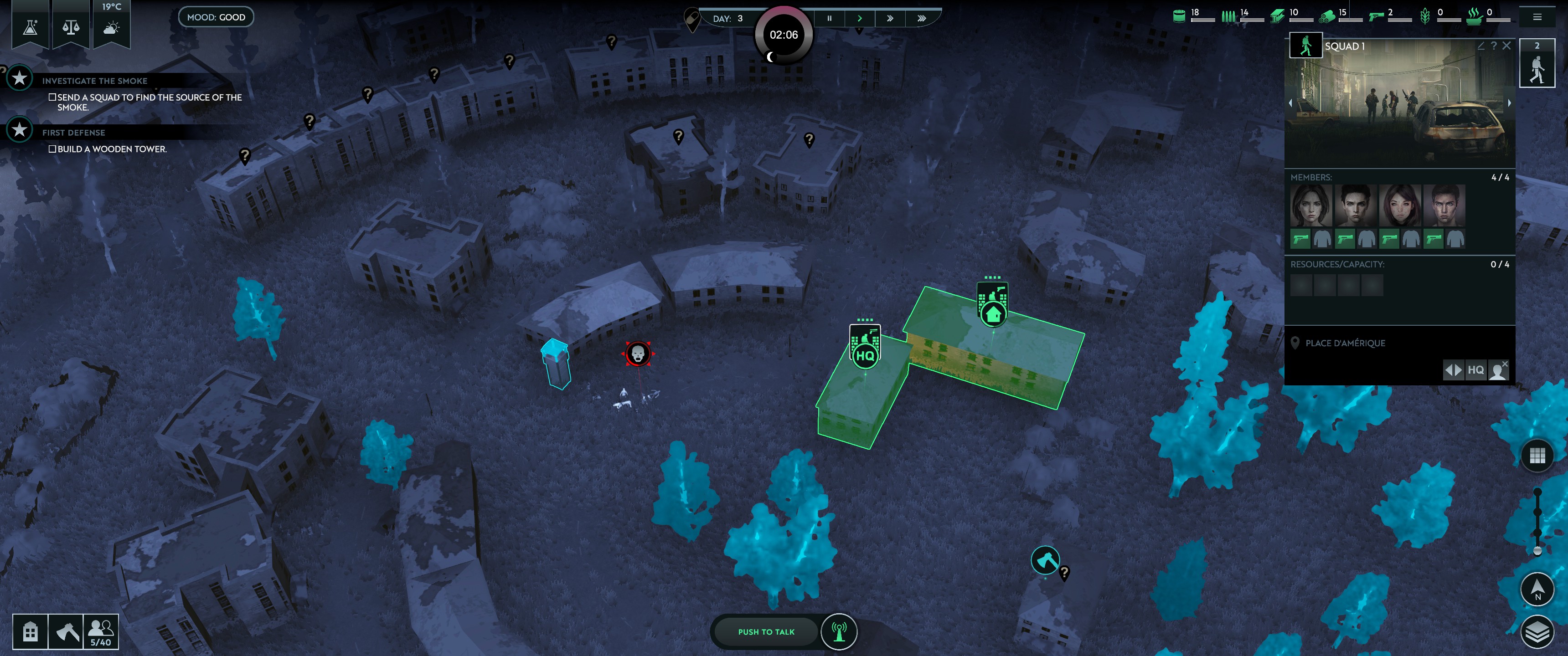
I’ve played the demo for this one a few times as well, and I’m still excited about it even though there’s still a lot of work needed. You’re in charge of defending an area from zombies, building defenses, farms, etc. But the draw for me is that it uses orbital maps to allow you to play in any real-world location. Unfortunately the demo is locked to only a few areas, but the idea of turning my neighborhood into a zombie-free compound keeps me interested in this one.
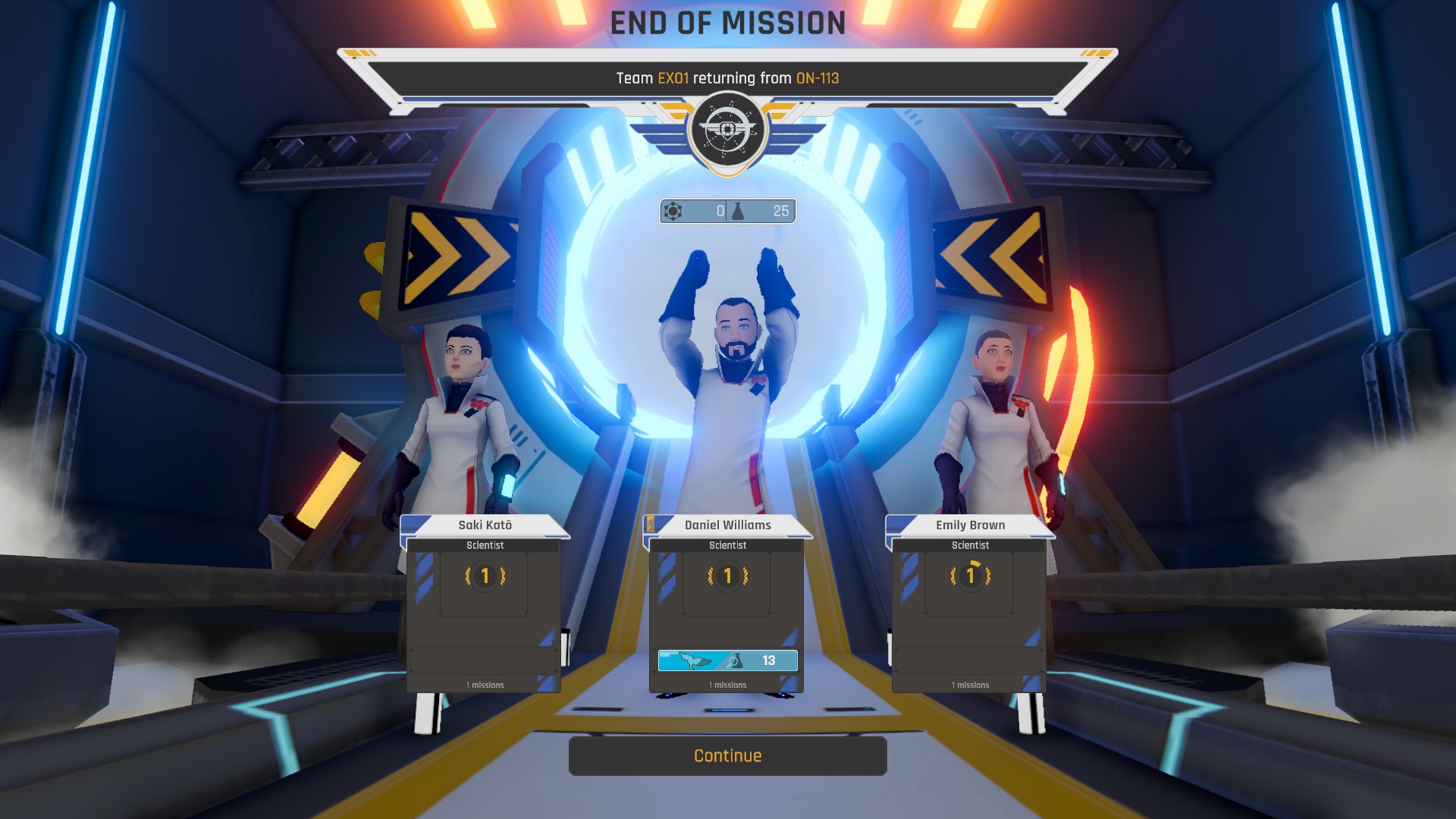
Still one of the games I’m most excited about. There’s been some good progress on this one since the last demo I played. There’s a bit of a tutorial now (there’s at least specific objectives to guide you through the start), and the interface is a bit cleaner now. Build your base, hire Gaters, send your teams to alien worlds for exploration and profit. It’s the best Stargate game I’ve ever played. Can’t wait for this one to release.
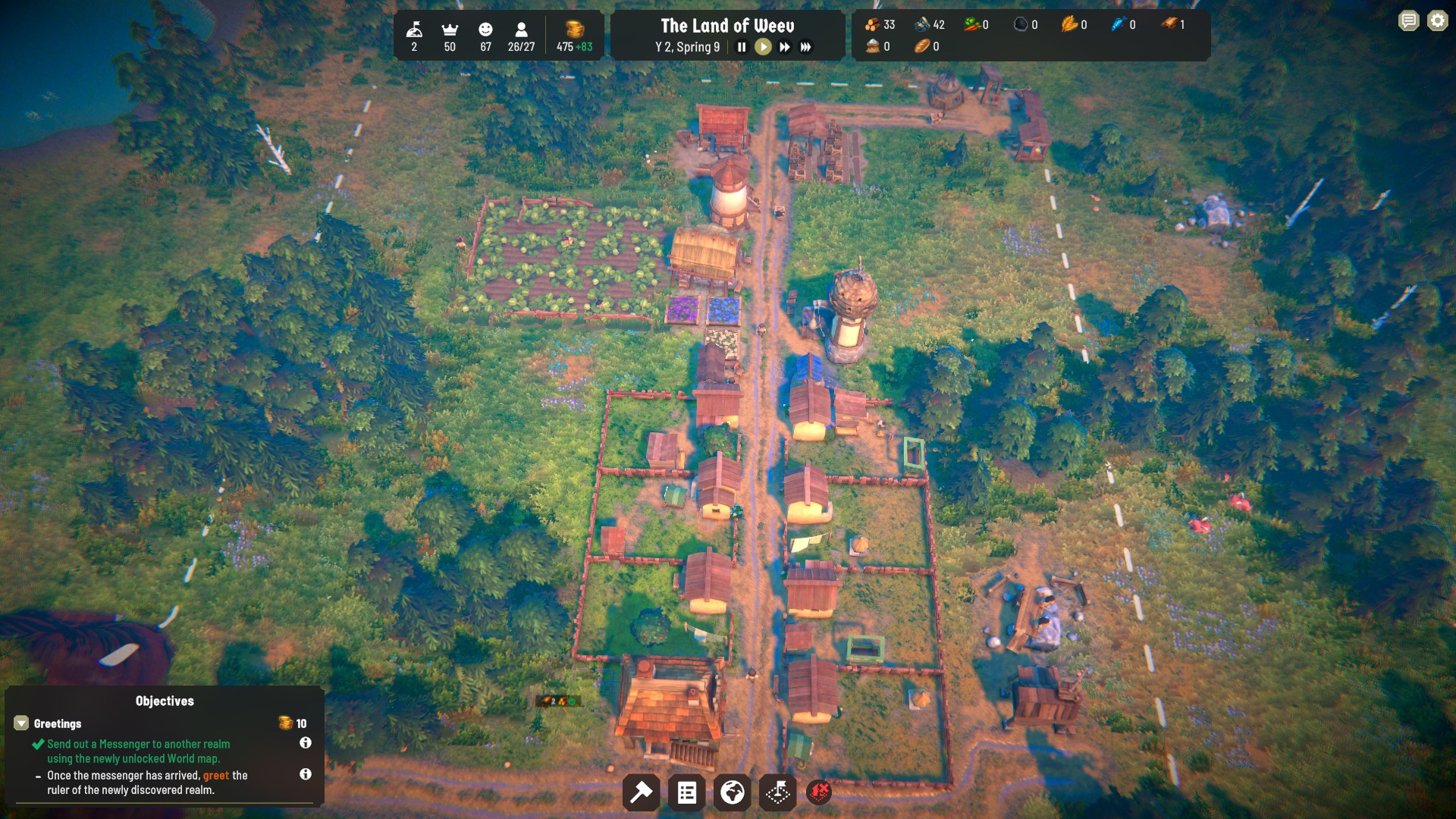
A cute city-builder with a very storybook style. You can interact with other kingdoms and unite the lands through “love or war”. You can find yourself a king/queen, and it looks like the full game will have some combat as well. Looks decent. The male and female characters remind me of the mom and dad from Luca.
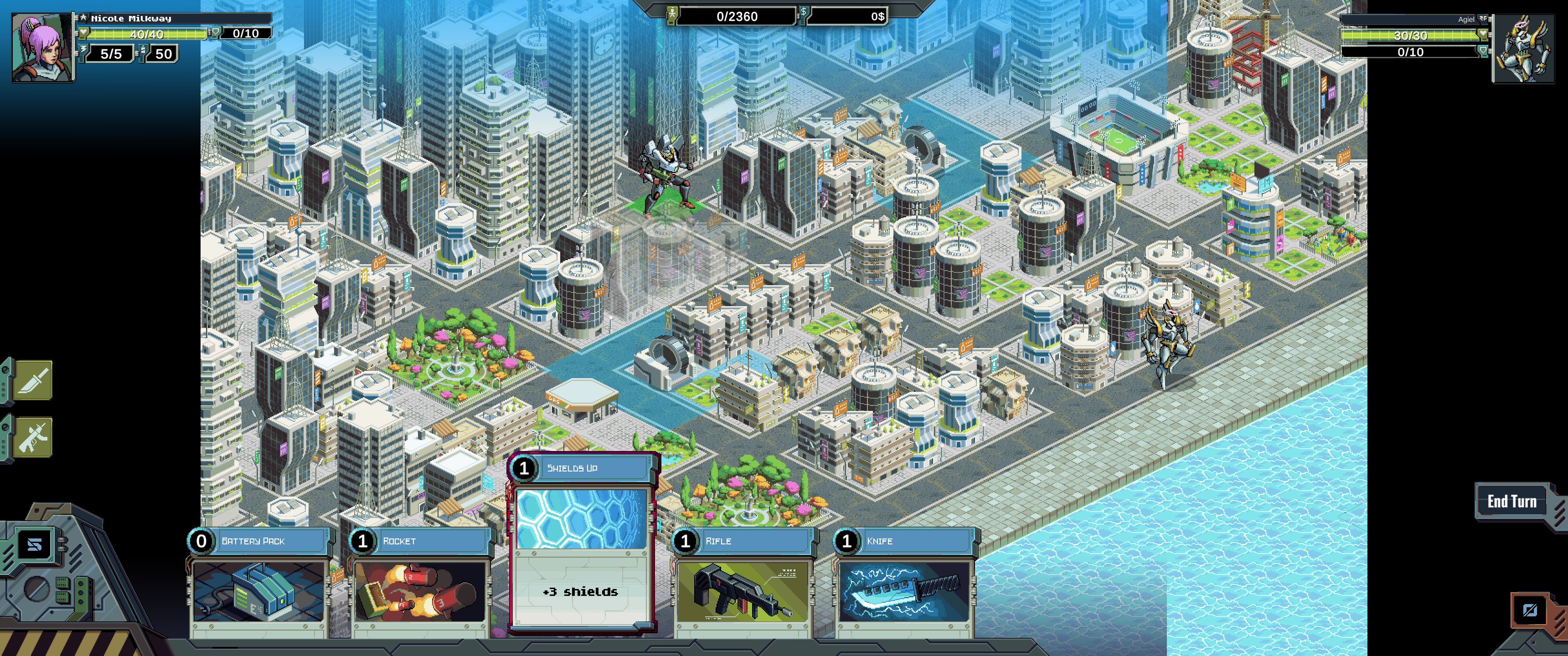
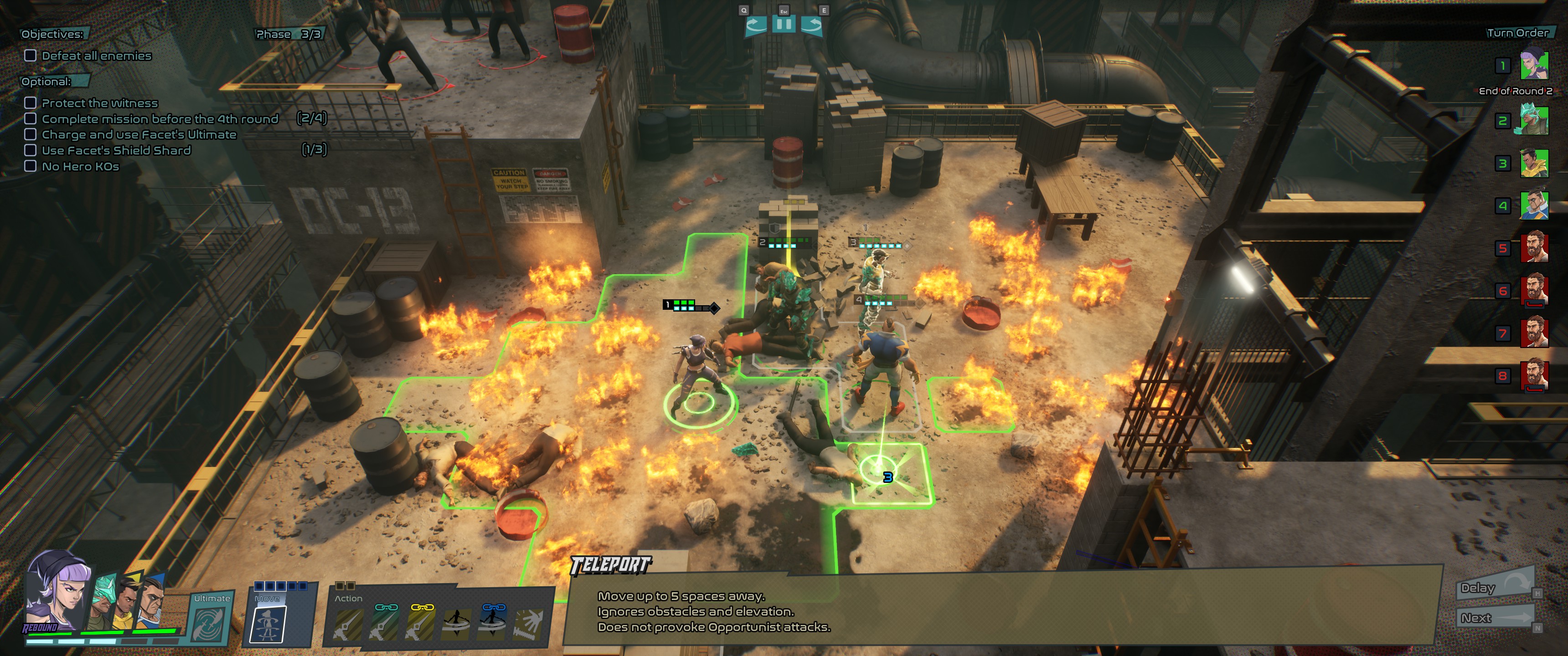
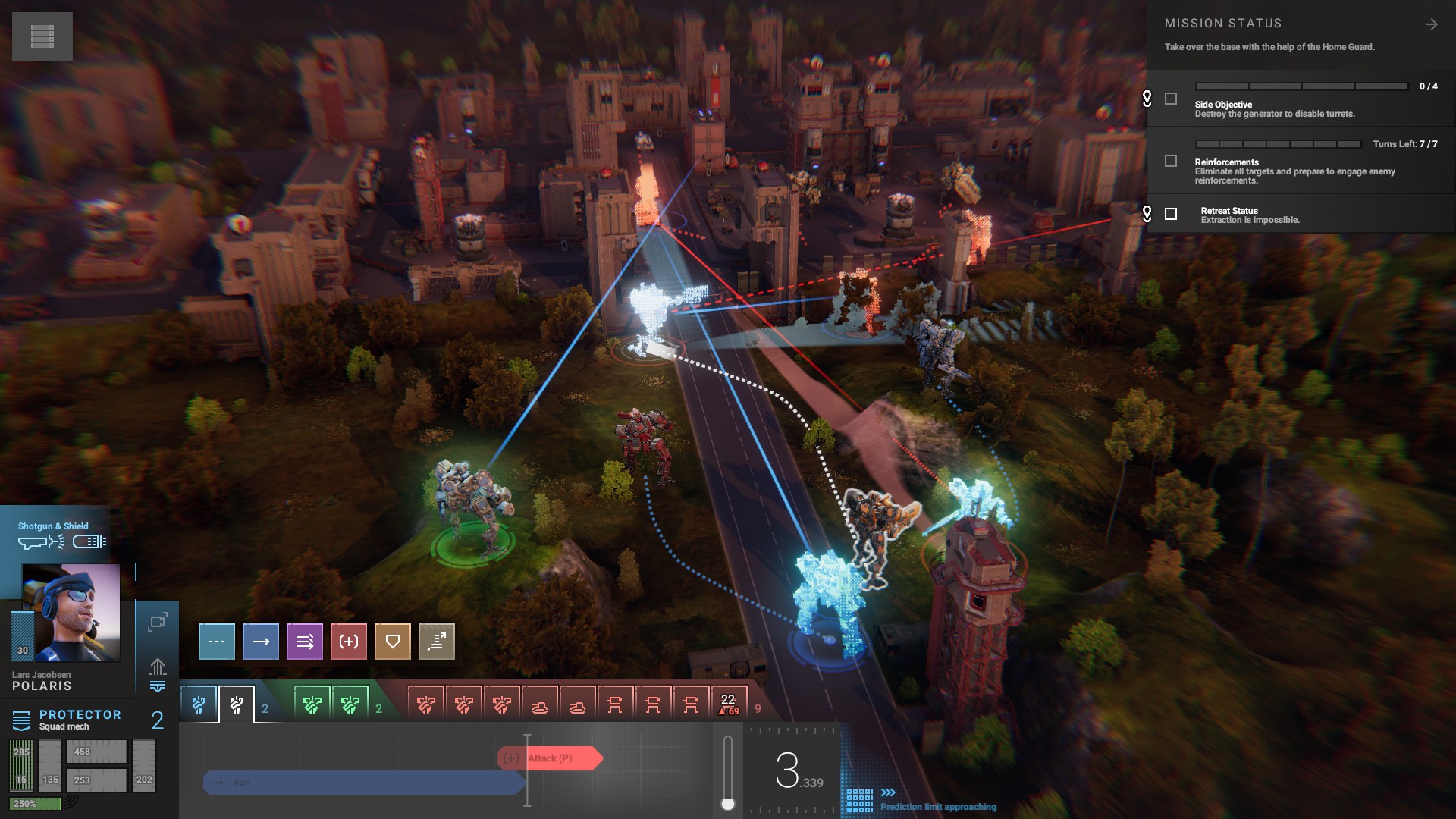
I had completely forgotten about Phantom Brigade, but after playing the demo, I’m hooked. The timeline system is a great way to orchestrate attacks, and being able to see what everyone will do allows you to play very aggressively, which is refreshing since most tactical games (like XCOM) encourage playing very slow and defensively. I will definitely be picking this one up when it releases (in two weeks).
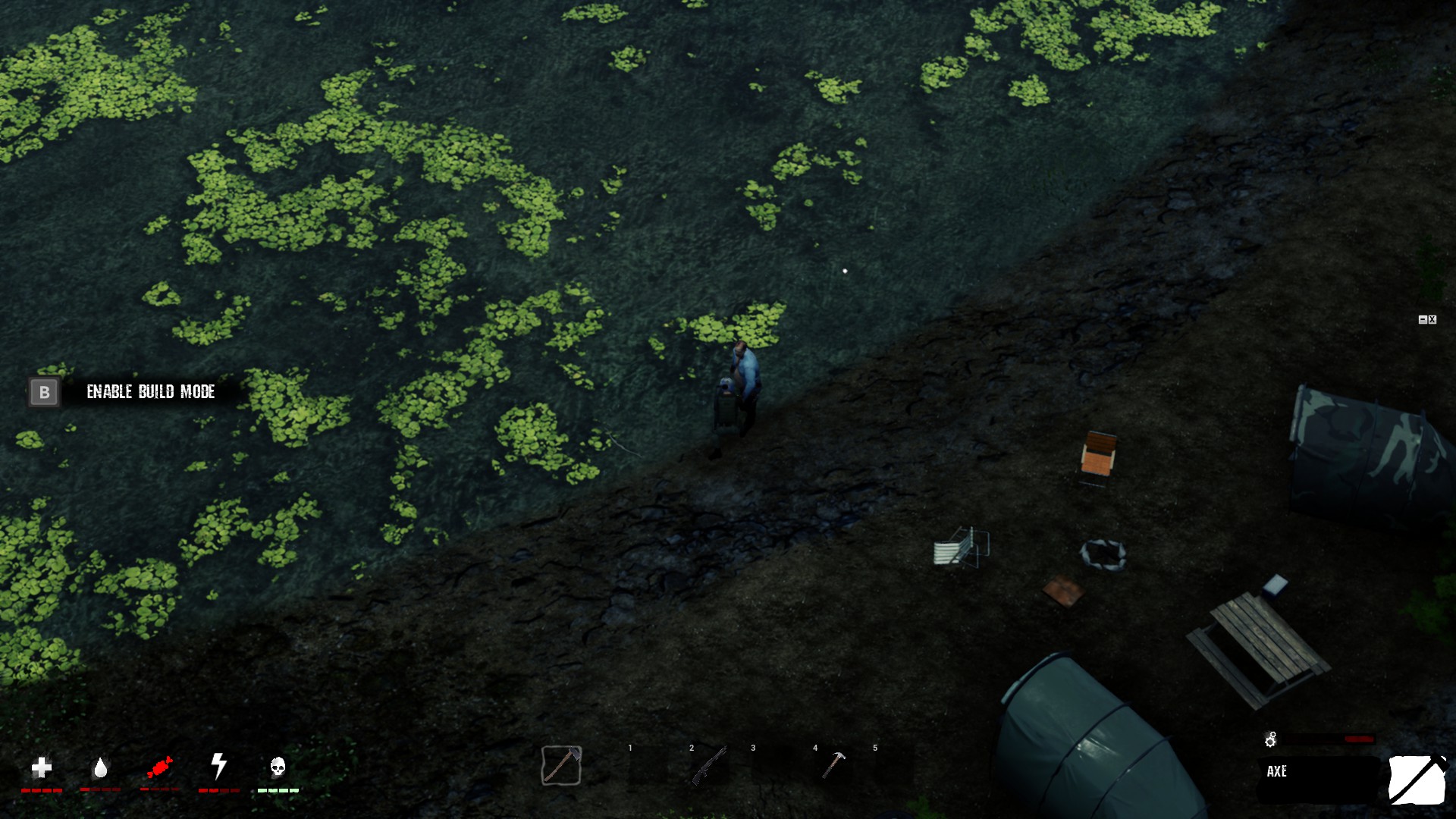
I’ve been searching for some sort of survival defense game where you can build a base, set up defenses, scavenge for resources, etc. This isn’t it. The interface and controls are really clunky and it’s in desperate need of a tutorial. It needs a lot of polish. Also, that title is just terrible.
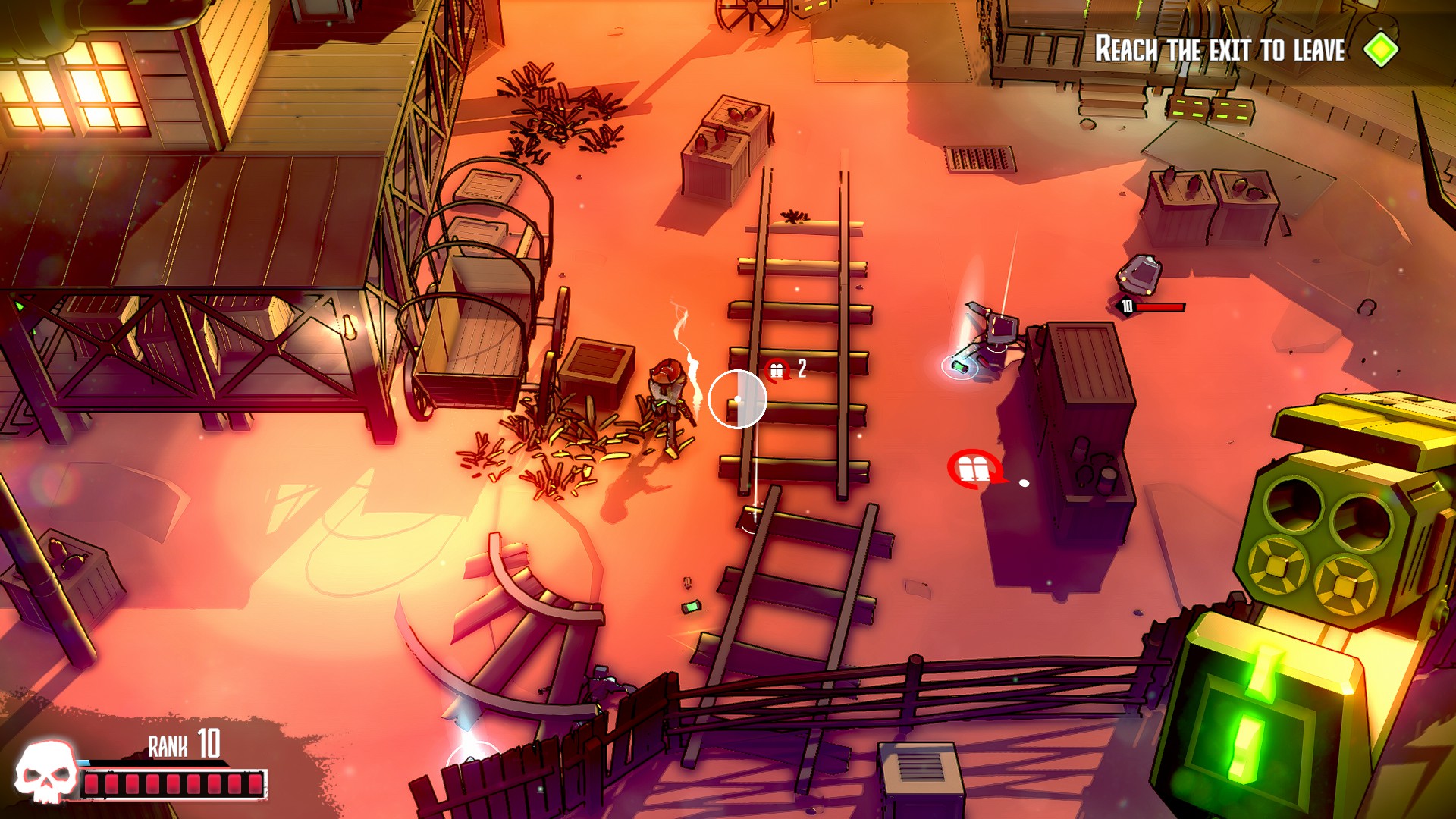
A slick and stylish isometric action looter shooter. The reload animations are fantastic. A lot of fun. The demo starts you off with a good set of upgrades, so you get a feel for the mid-game (I assume).
It’s basically Papers, Please with some space station building mechanics. It’s not bad, but I don’t think I’m really into the “catch all the mistakes” gameplay. You can at least build “bureaucrat desks” for robot bureaucrats to check documents for you in this one, though.
An absolutely gorgeous puzzle platformer. You have a little cat-like creature that follows you around and helps you solve puzzles. There looks to be an interesting story going on in the world as well, which I won’t comment on to avoid spoilers.
A narrative game where you flip between time periods to experience the story and figure out the mystery around the game. It’s a weird one, but I enjoyed how the story was told in the demo.
A roguelike city builder, similar to Against The Storm, but more puzzle-like. Building is turn-based, with income each turn based on the buildings you’ve placed. There’s a different objective on each map, and if you take too long, a dark cloud starts covering the map and if it gets to the portal, you lose. I prefer Against The Storm, but this one isn’t bad if you want something more puzzley.
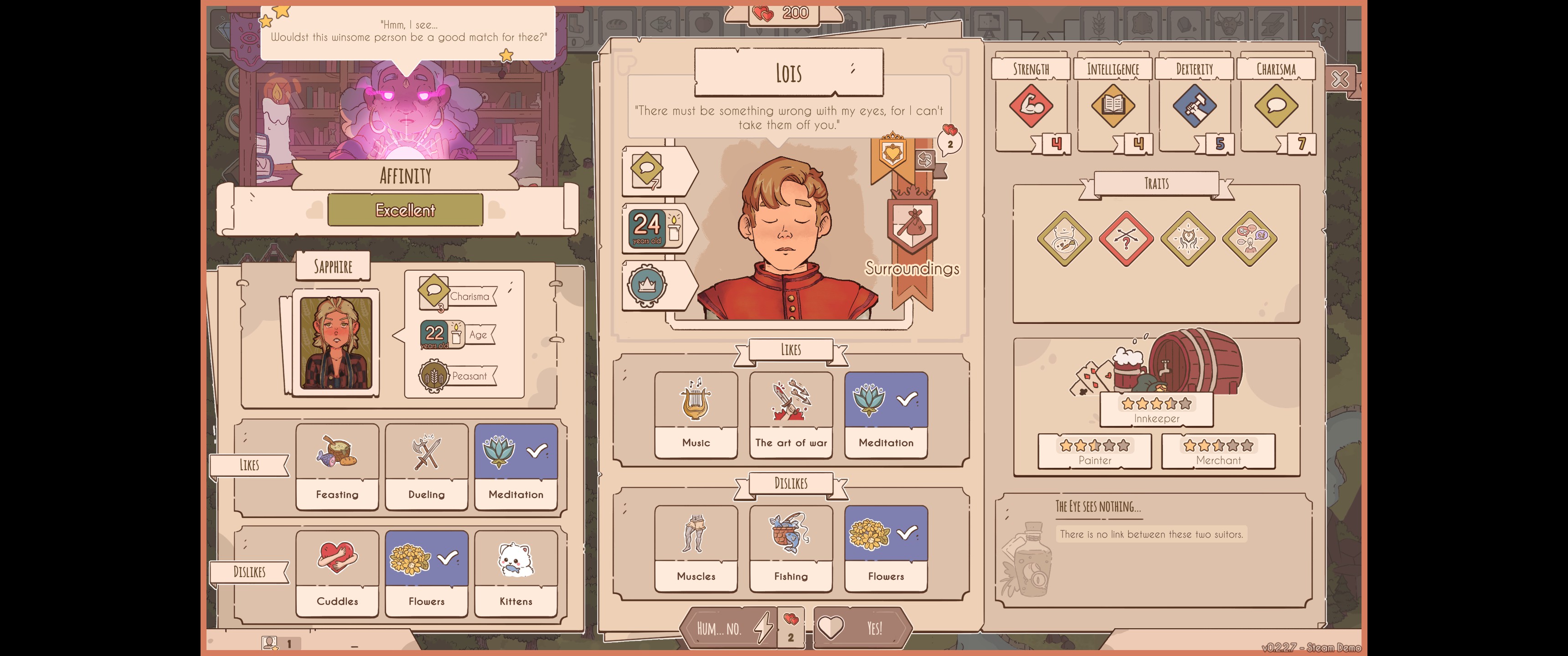
A charming little village management game where you manage the lives of your villagers. A big focus of the game is pairing your villagers into couples, which isn’t something I expected to enjoy as much as I did. You don’t get to build your village directly (building order is predetermined), and you just build houses as you need them in a separate view. Instead, you manage who works where, assign apprenticeships for children (to determine their affinities for jobs as adults), make sure everyone’s needs are filled, and handle villager’s dates (awkward moments and all). It’s like part village management sim and part dating sim, with a lovely art style.
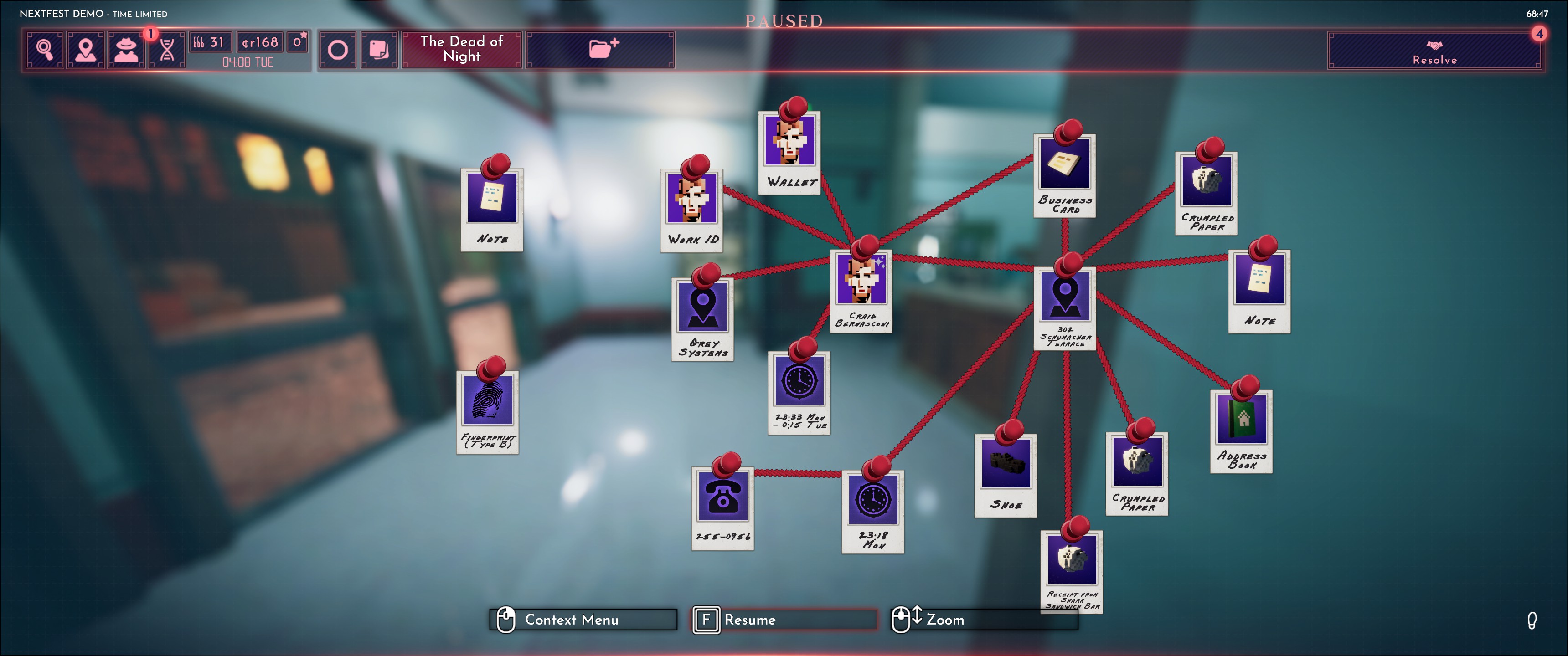
A detective game with a procedural world and a voxel art style. Needs some optimization, and I’m not sure if I missed something or if the tutorial didn’t guide me to everything I needed for the first case; it led me to a murder reporting form that wanted the killer and I hadn’t figured out that information yet. I did enjoy organizing the case board, though. Has potential if it’s able to procedurally generate cases for you to solve.
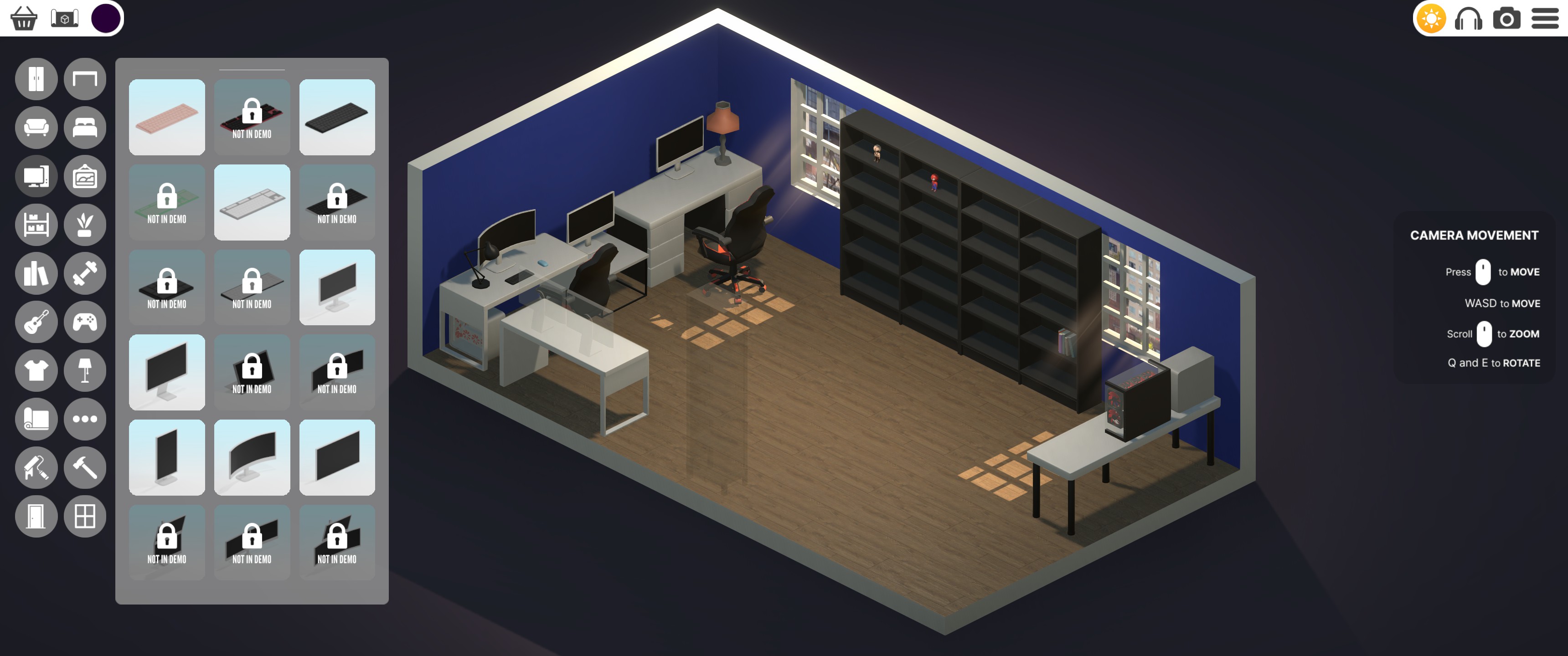
A very rough approximation of the home office I share with my wife. I got lazy with the details.
Definitely more a toy than a game, but it’s a nice way to visualize furniture and layouts. It’s basically what I typically use The Sims for, without job or artificial social interaction.
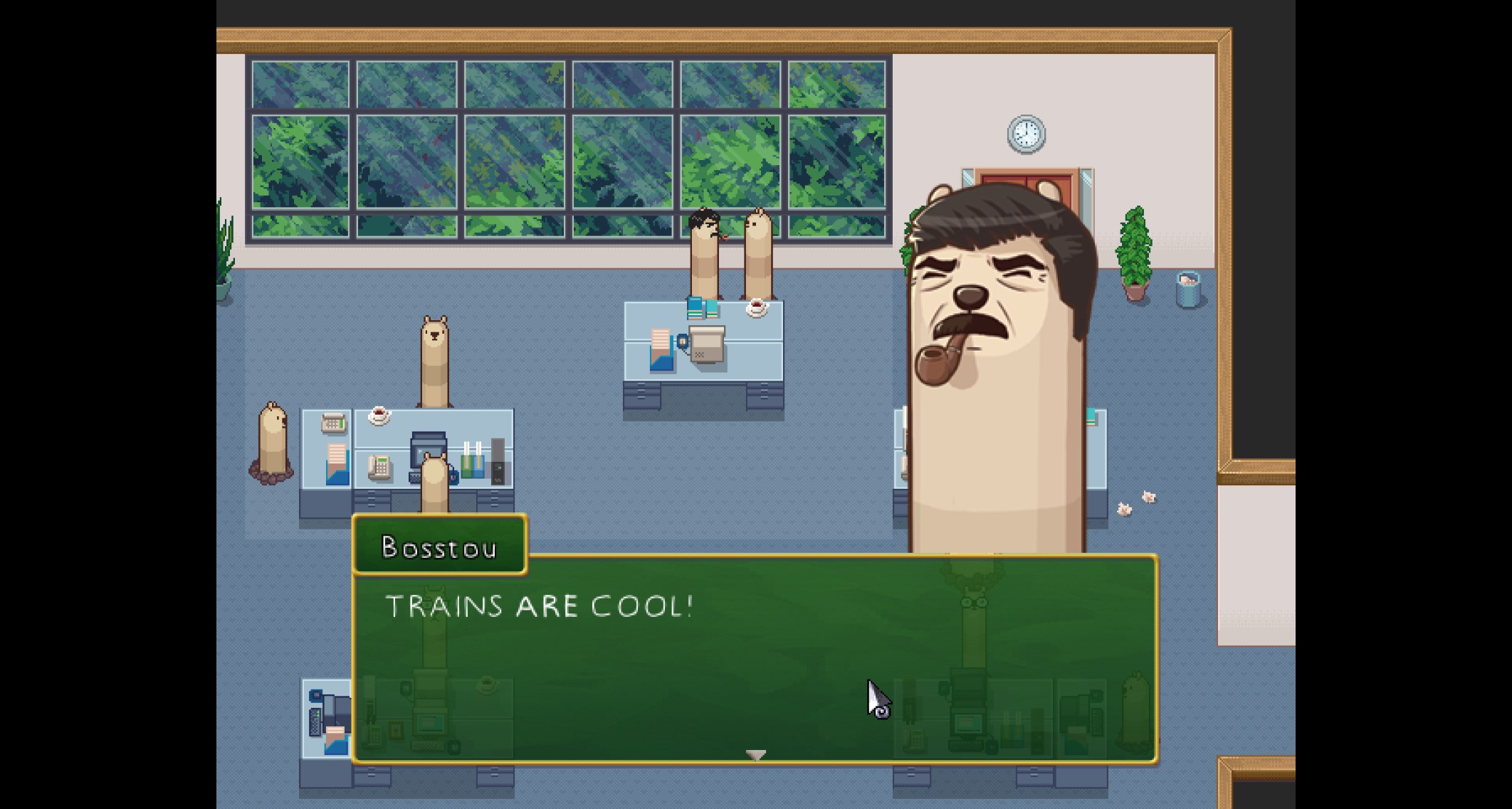
A game about a llamaworm that works a boring job. Basically a cute little adventure game. According to the Steam page, meant to be a short story about finding meaning in life.
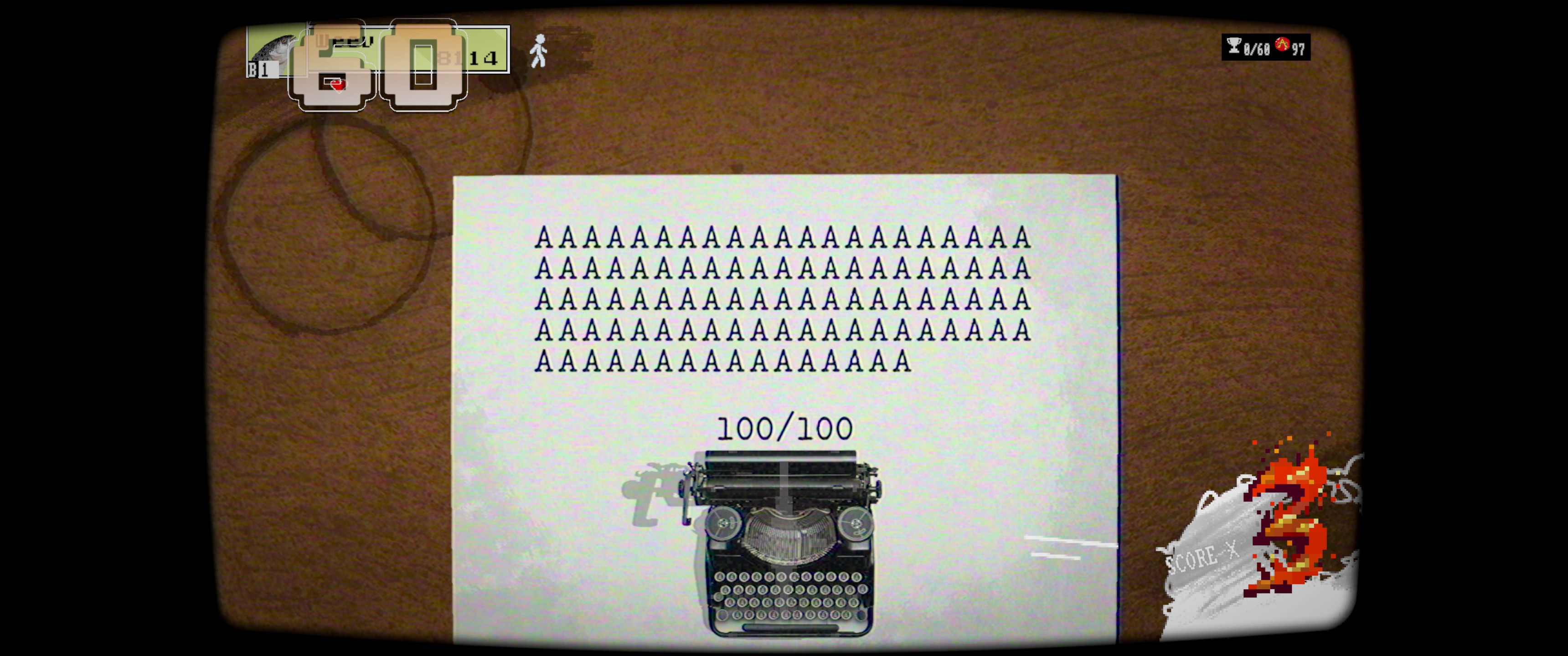
A game composed of 56 minigames and the whole thing (menus and all) is controlled with a single button. Some of the minigames are pretty difficult when you’re limited to a single key (racing and minigolf). Others are pretty simple (type “A” 100 times). Very wacky.
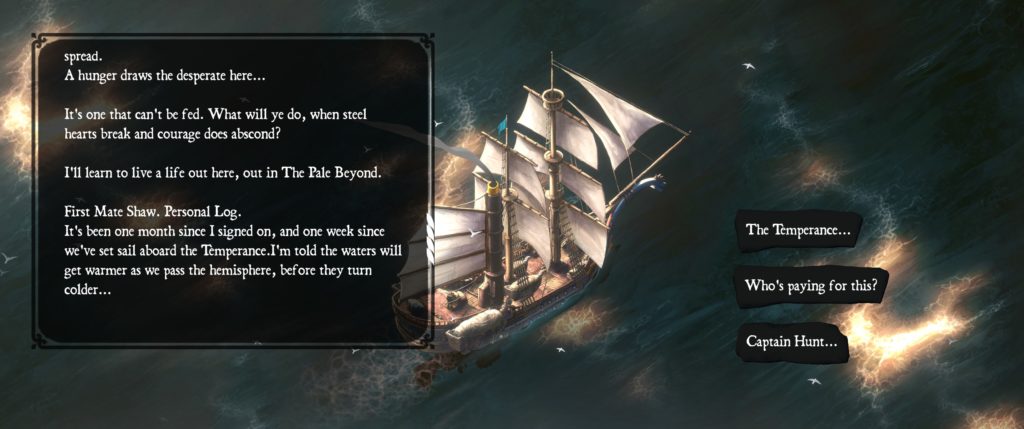
A narrative survival game where you have to make some very tough choices. It’s based on historical polar expeditions, and you’re constantly fighting to manage your food, fuel, and “decorum” – basically a measure of the civility of your crew. The demo was a lot of fun; I’m looking forward to trying the full game.
A roguelike hockey game. I’m not typically into sports games, but I like the style of this one. You earn powerups after each match and can unlock new “stars” to bring with you for each run. What little I played was a lot of fun, though the menus don’t work well on a wide screen.
Next Fest Complete
I obviously played a lot of demos during this Fest (and a few of these after it ended). I found a handful that I’m definitely looking forward to, like Phantom Brigade and Capes; and there were several that I’m not really interested in but were fun to dip into. Some of these were suggestions from articles I read and wouldn’t have tried on my own (like Tape to Tape and Mr. Saitou), which was a good diversion from the sort of games I typically play.
I think my favorites this time around were Phantom Brigade, Capes, Dust and Neon, and Exogate Initiative. They’ll definitely be in my library at some point.
I feel like this Steam Fest is targeting me. A good chunk of my wishlist went on sale and while I’ve already played most of the demos here that I’m interested in, I found a few to give a try. (Like last time, I’ll be updating this post as I try new demos.)
While this wasn’t exactly in the fest, it’s related so I’m putting it here. SteamWorld Build combines a city-builder with a Dungeon Keeper-style mining and tower defense underground. While the demo doesn’t contain any of the combat shown in the trailer, I enjoyed what was available. It’s a little on the easier side, as far as city-builders go, but there was still plenty to do. The style is great, too, with little steampunk robots wandering around everywhere.
I’ve been interested in this game for a while, thinking it might be a modern re-imagining of SimAnt. Turns out that’s not what it is. It’s more of a simple RTS where you collect food, build an army, and attack other insects.
A cute voxel city builder and factory game. The logistics system is pretty easy to use. Demo only covers the tutorials, but they explain things pretty well.
A cute game where you have robots grow and sell plants. Couldn’t beat the tutorial level, and I’m not sure why… My worker just stopped working and just spent all their time playing games and eating from the snack machine. Probably needs some more time to work some bugs out.
More a puzzle game than a city-builder. Buildings can be placed freely, which is nice, but they have a zone around them that they work with, meaning being a few pixels off can mean the difference between maximizing production and missing out on resources. It’s pleasant and minimalist, though.
I’ve played this sort of building game before (House Flipper, Gas Station Simulator), but I typically find them incredibly boring. This one looked more interesting, like it had some more depth. Turns out it’s just a well-themed building game. The atmosphere is nice and the theme is actually very interesting, but it’s just as boring as other games in the same genre.
Extract resources, transport them to factories, build stuff, grow cities, terraform planet. I like the art style – simple and clean – but I’m not sure if I like this style of factory-building game where you just build bigger and bigger with long stretches of highway to bring things from one place to another.
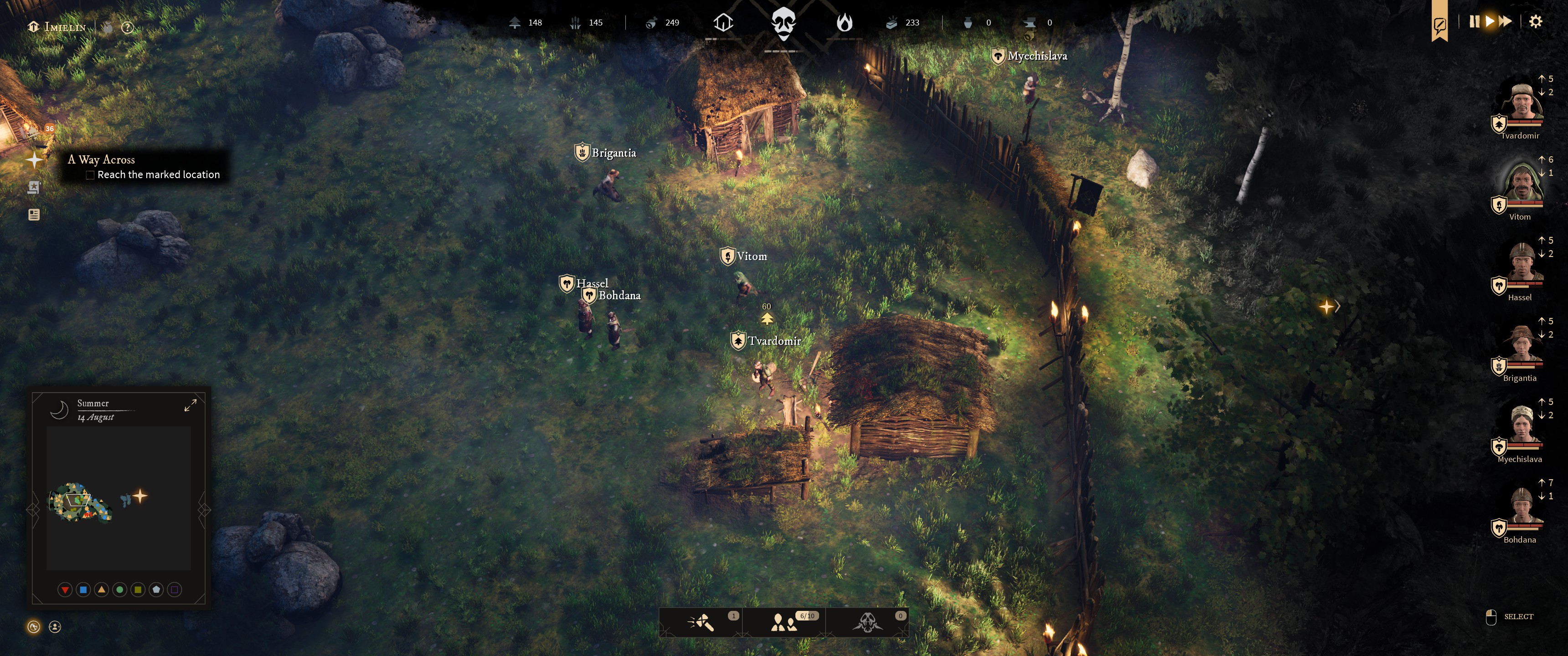
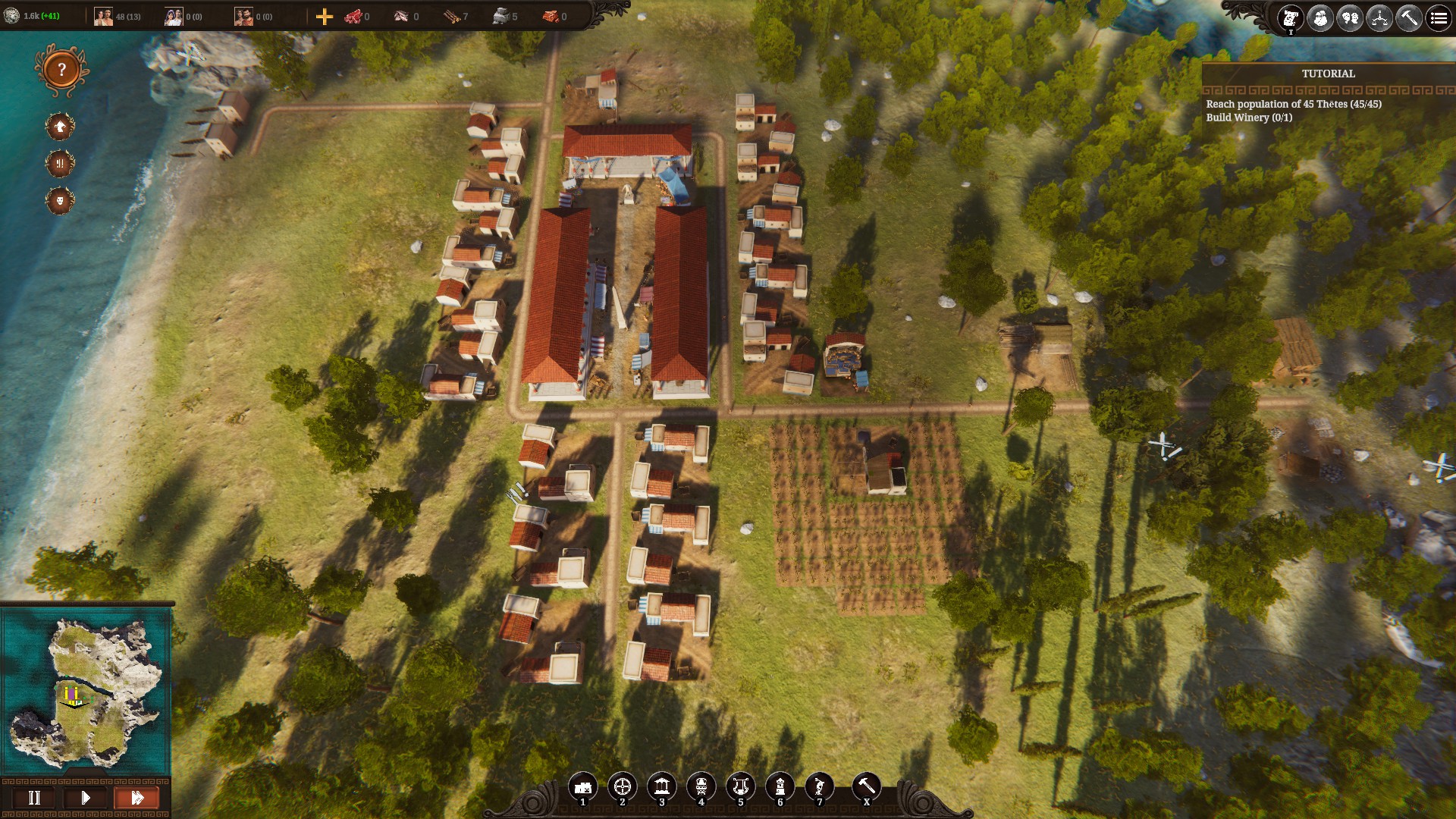
Feels a lot like Frostpunk, from the tone to the UI, which isn’t a bad thing. A solar flare sent human civilization back to its tribal roots, and you’re in charge of building a settlement to restore society. Plays great; I’ll definitely be picking this one up when it releases.
A pleasant little city builder with some very light survival elements. You can attract survivors to your little dock and have them help out with the chores. Like Raft, but third person and without that asshole shark.
Seems to be an interesting mix of Factorio and your typical RTS, with units you modify with different components (mining lasers, defense lasers, assemblers, etc.) and can order around. Seems interesting, but the first steps were really slow, to the point of just waiting around most of the time. I’m sure it’s more interesting later, but I couldn’t take all the idle time. I think I’d love it if things moved a bit faster.
I’m still trying to decide if I’m interested in this one. I like Introversion’s stuff, but I couldn’t tell from what I played of the demo if it’s like FTL, where you have to constantly keep moving from system to system, or if you can just do whatever missions you want wherever you go. The shipbuilding is interesting, and the separation of the main deck from the “habitation” deck opens it up for some interesting options – you can make a transport liner, a warship, or a little of both. There’s a survival aspect to it as well, with limited fuel, FTL jumps, oxygen, water, and ammunition, which could be interesting or a chore. I think I just need to play this one a bit more to find out.
Final Thoughts
I think that’s it for this Steam Fest. I had a hard time finding games that clicked with me here. I’ll definitely be picking up SteamWorld Build and New Cycle, and I might get Havendock on a sale at some point. I think when it comes to logistics games, I have Satisfactory and I love the pacing, style, and humor of that game. Some of these games that annoyed me are likely in the vein of Factorio, which has been on my wishlist a while but I’ve now removed (partly because I don’t think I’d like it, and partly because of the price change; and I could write a whole post about how annoyed I am about that price change). I have enough games in my backlog though, so maybe being unable to find new ones is a good thing.
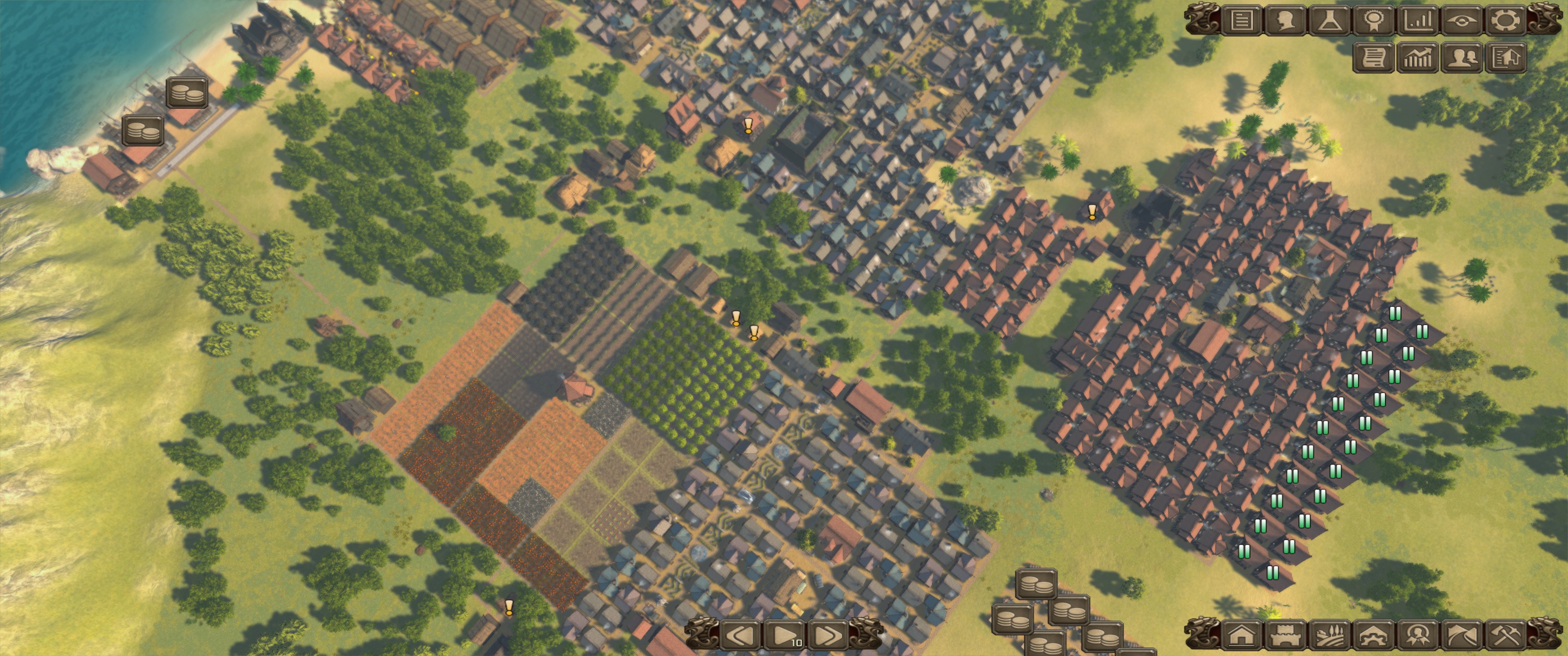
I picked up Patron during Steam’s winter sale because it was cheap ($8), had decent reviews (75% positive), and it sounded like it’d be my sort of thing. After playing long enough to earn all the achievements, I’ve found that while it’s not bad, it’s lacking a lot of things that could make it great.
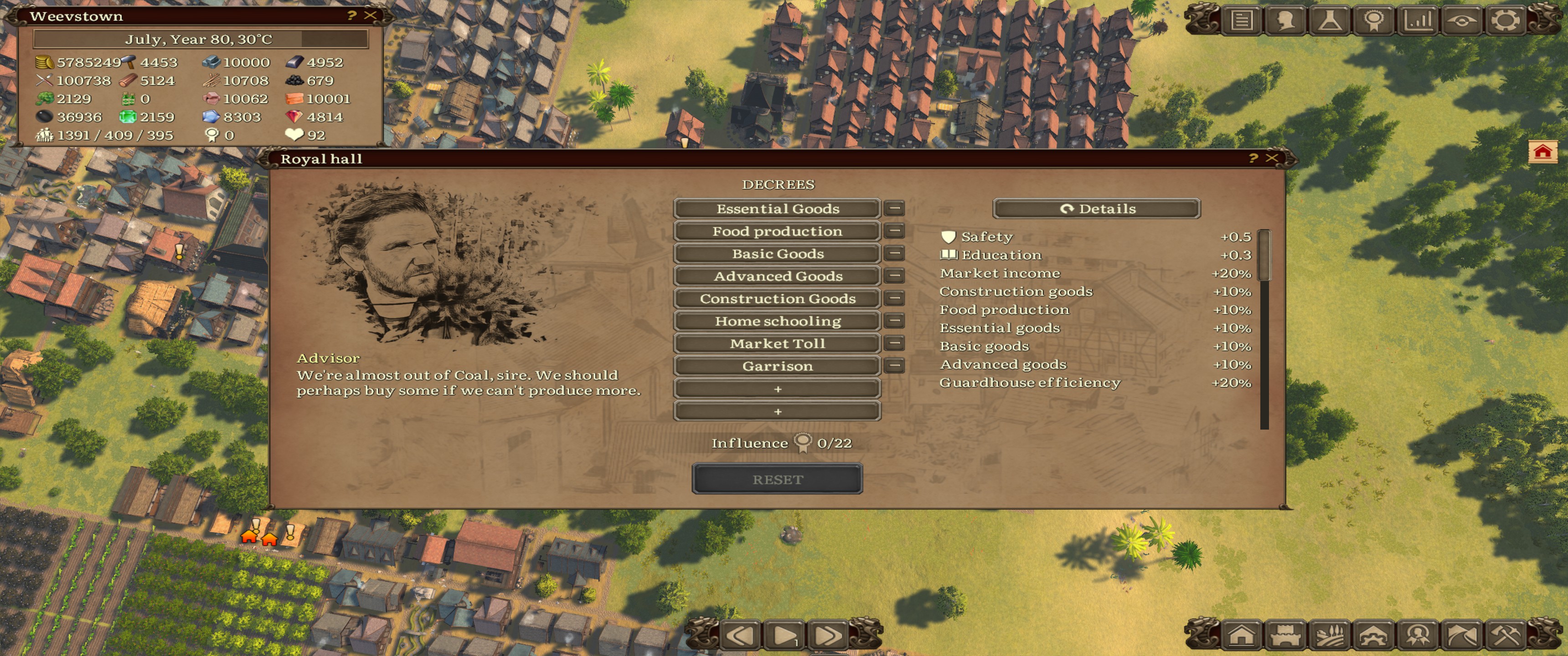
I’ll start off with the positives: Patron looks good, has a nice ambient soundtrack, and the UI serves to get the job done. There’s plenty of stuff to build, from a handful of houses to a few dozen town and production buildings; most with some purpose in your town. Many of those buildings can be upgraded to either increase their production, lower their upkeep, or increase their workforce, allowing you to spend resources to improve existing buildings instead of building new ones. At your town hall, you can set various decrees that have global effects like increasing production or reducing upkeep, which is a nice touch.
Surviving the first winter took me a few tries just to get the balance right. You really just need shelter, food, and firewood, but the hardest part is getting that done with the handful of peasants you start with. However, once you’re past the first winter, the game becomes pretty easy; the most difficult part is keeping up with housing as more and more people come to your town. After building out my first town with a few hundred houses, I decided to just quit and let the homeless leave once they were fed up.
And before I get to the negatives (which are going to be plentiful mostly because they’re easier to talk about), I want to reiterate that Patron is a decent survival city-builder in the vein of Banished. However, I think Patron ends up closer to the bottom when compared to similar games like Banished and Farthest Frontier.
This guy was always complaining about coal.
Most of what’s wrong with Patron comes down to annoyances due to a lack of information in the UI. Survival city builders, by their nature, involve a lot of resource management – you need to know what you’re producing, how much you’re producing, where it’s going, etc. While Patron’s UI exposes a lot of this information, sometimes it’s lacking in ways that completely shut down production chains.
Let’s take something as simple as breadmaking. To make bread, you need a windmill to turn the wheat to flour and a bakery to turn the flour to bread. The UI says my fully-upgraded windmill will take 1750 wheat and turn that into 3950 flour per year. Likewise, the UI informs me that the bakery will take 750 flour and 750 firewood to produce 1881 bread per year. However, despite sitting on tens of thousands of wheat, my bakeries are sitting idle, unable to get their resources. Beyond an exclamation point telling me that there’s a problem getting the resources, I’m left bewildered as to what the problem may be. The mill and bakery are literally next to each other, with a depot a short walk away for deliveries from the stockpile. I ended up solving the problem by just importing flour when I was below a certain amount.
There’s likely a very logical reason why things aren’t running as smoothly as they could be, but there’s nothing to tell me what’s wrong. Maybe the workers need to live nearby? But I have no control over where people live, and they don’t shuffle around to live closer to their jobs, so that seems like an odd requirement.
Fine, leave! I didn’t want you here anyway!
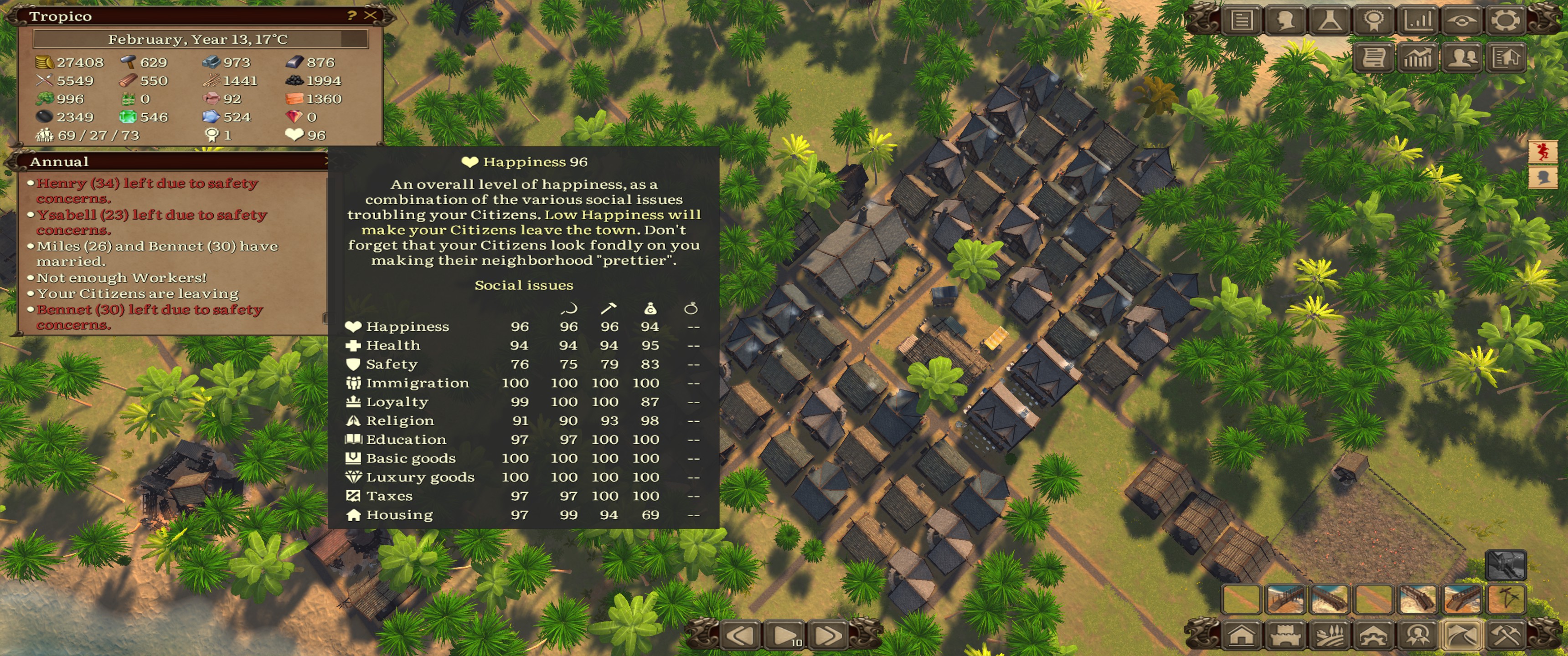
Another problem I faced was with people who were upset about something in my town, typically safety, but the town had high satisfaction in that area. My assumption is that while my citizens were happy on average, there were one or two people who were completely unhappy. But again, there’s no way to tell that – all you ever see are averages unless you click on every individual house to see the satisfaction for the family there, and I’m definitely not doing that.
Concerns like safety can be raised by building certain structures – guardhouses or watchtowers for safety – and while they work just fine, there’s no way to see an overlay of what areas are covered by a structure. When building a new one, I can see its effective radius, but I can’t see if there are any other buildings covering the same area. This has led to me placing redundant buildings near each other.
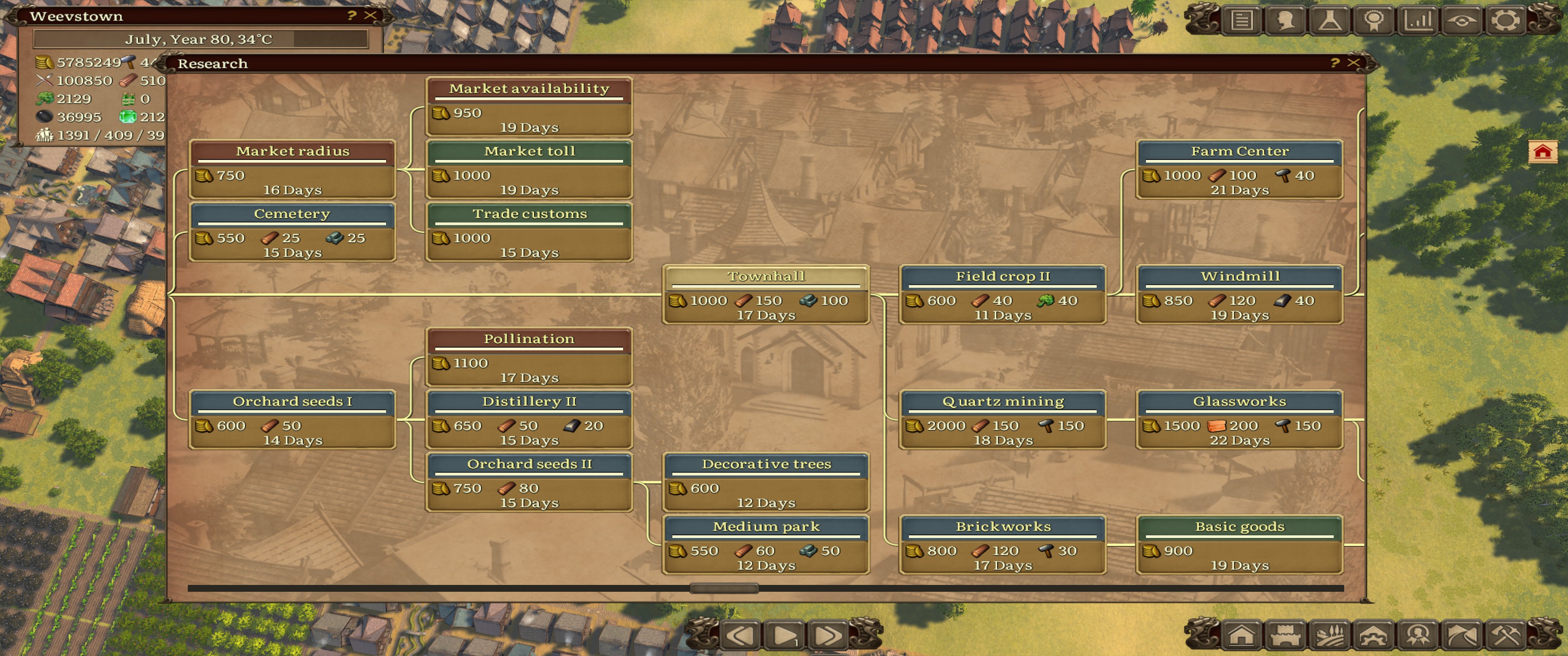
The tech tree is pretty chaotic as well. There are some things that have nonsensical requirements (not sure why I need a university before I can unlock the last crops), and other things have requirements in separate branches (so you can unlock them before being able to produce the resources to build them). I think this is just a limitation of how the tree is arranged, being very short and wide, so things were shuffled around to put them later on the tree even though they require things from earlier on the tree. There’s also no easy way to search for anything, so while the deep research tree could be a great way to keep things interesting, it ends up being another annoyance.
Get used to the job board. You’ll be looking at it a lot.
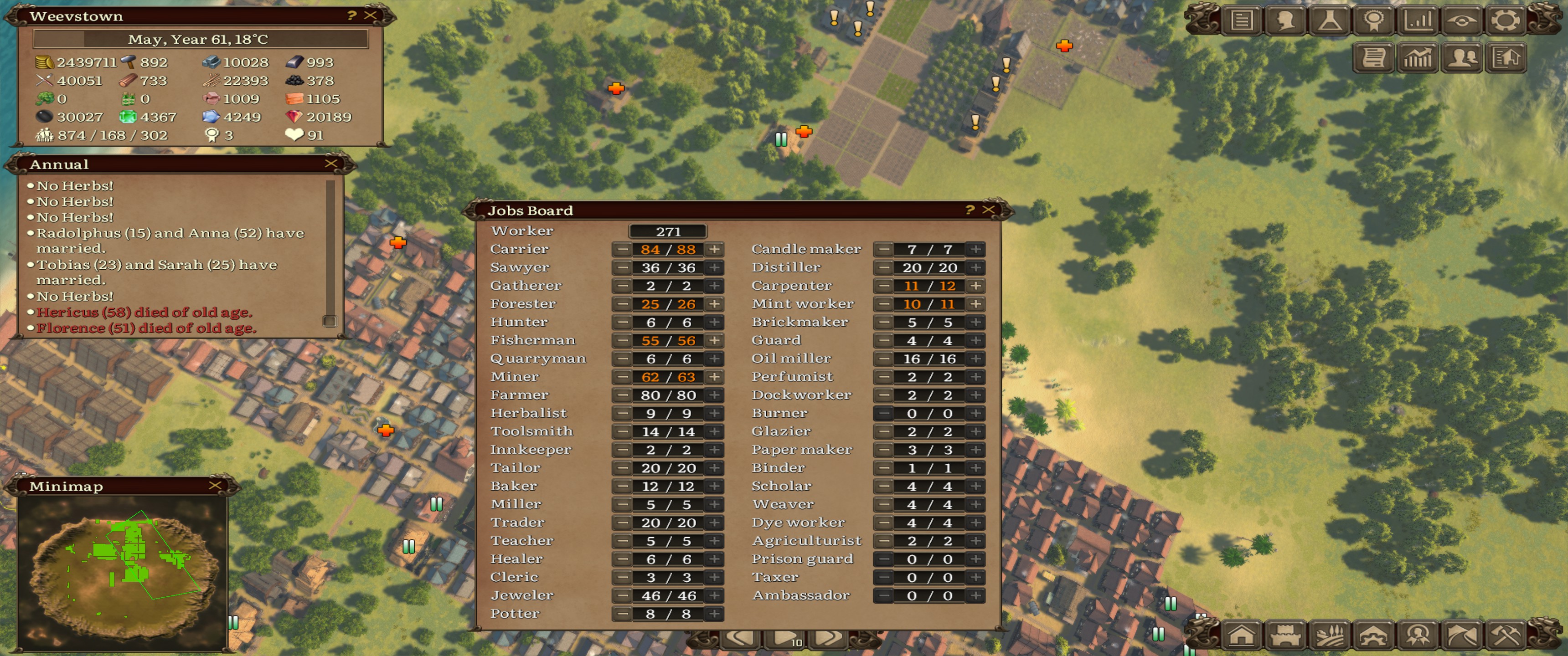
And finally, my biggest annoyance: the job board. I’m going to compare this to Banished since it’s the easiest comparison. In both Patron and Banished, the job board serves to set how many people you want working in each profession, with any leftovers in a general “worker” category that transport resources and build structures. Where they differ, however, is what happens when you lose a worker. In Banished, if you had 5 workers assigned to woodcutting and one died, a worker would fill their place (unless you had no workers remaining, in which case the job would be left unfilled). In Patron, when a worker dies, nothing happens. You just have one fewer worker in that profession. Your production dips, and if you’re not careful, wreck a nicely-balanced system. So you’re left micromanaging a UI just to keep things all the jobs filled.
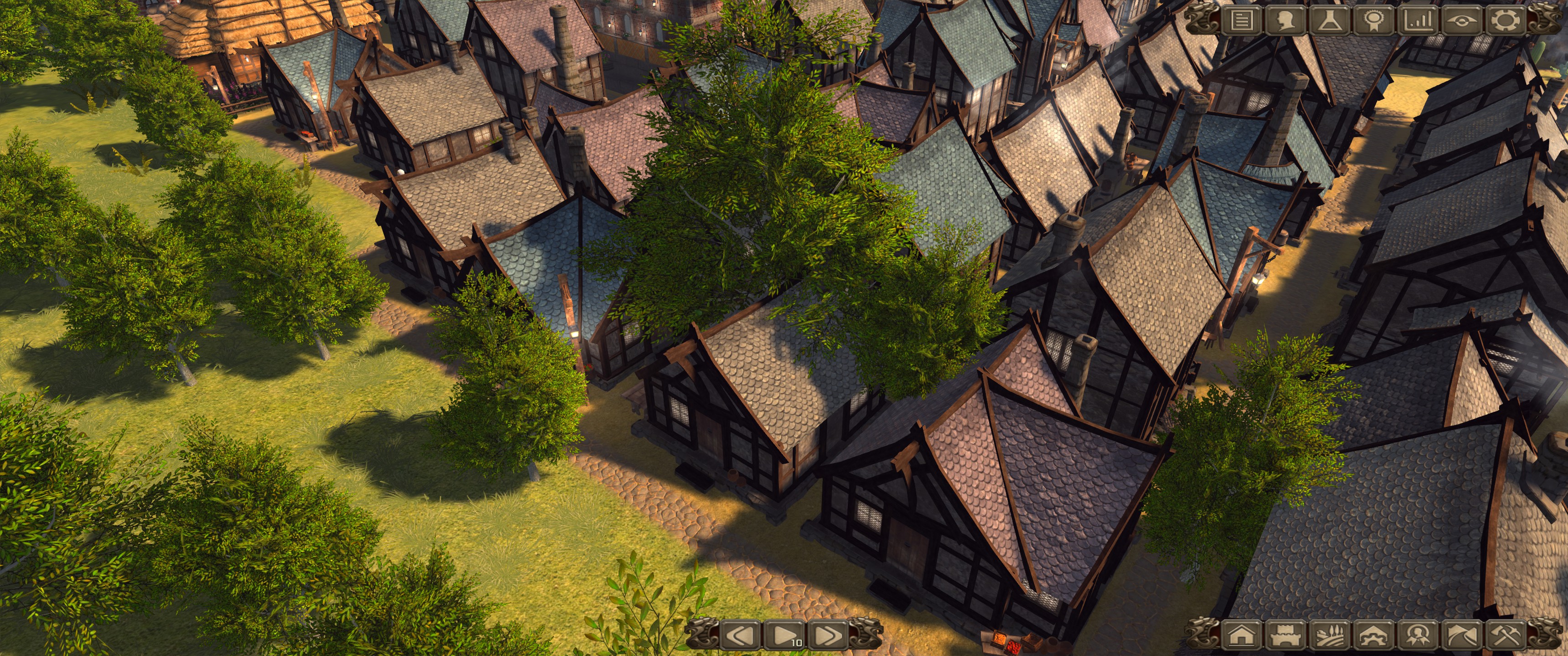
Making sure all my houses are insulated…
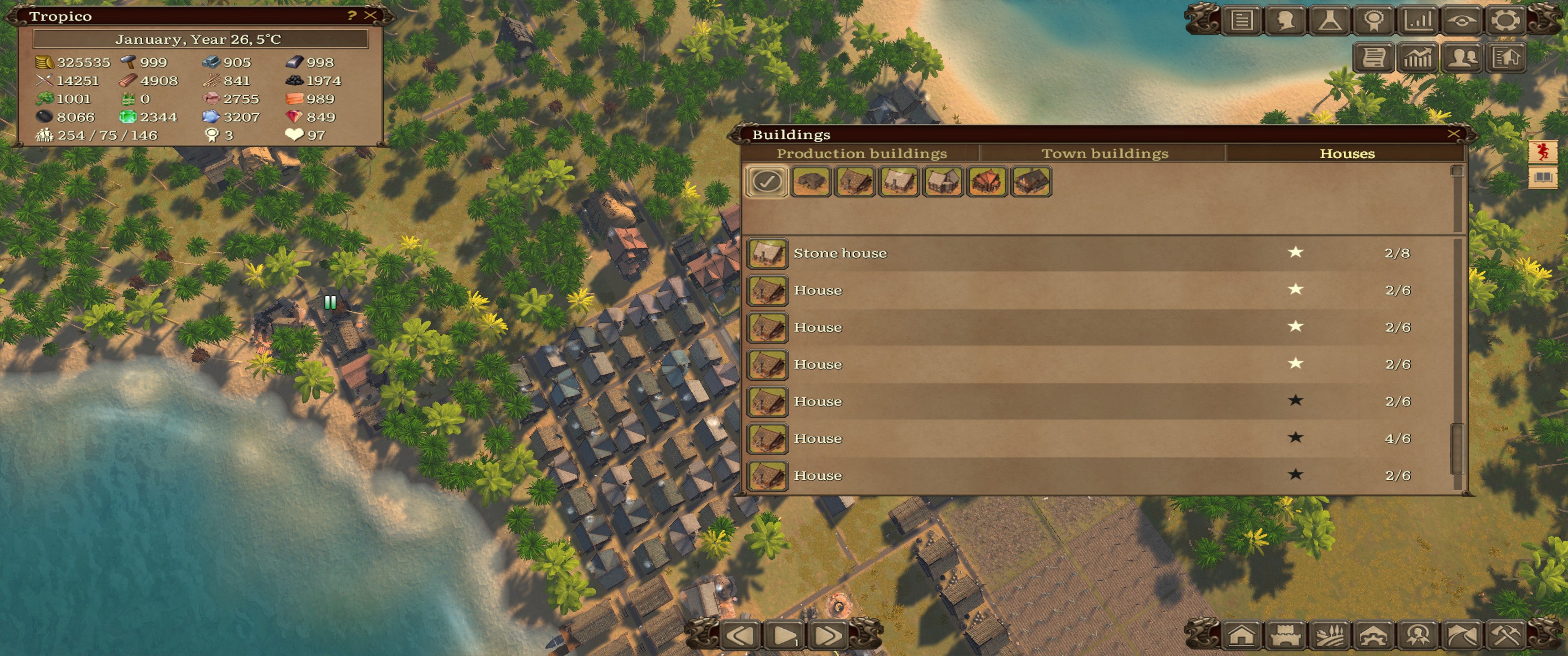
Also, while being able to upgrade buildings is interesting, having to upgrade every single house with insulation became very tedious late-game.
Though even with the UI being a pretty frequent annoyance, I still found the game to be pretty easy (on normal difficulty). Beyond the first winter, things were simple, and I just kept building new things whenever I was low. Like a lot of these games, the key is just stockpiling huge amounts of every resource. Even if you’re having a hard time producing something in sufficient quantities, you can just import it from the harbor, since you’ll have plenty of coin to burn anyway.
So unfortunately, while Patron does have some things going for it, it’s hampered by its poor UI and some odd systems. The annoyances are relatively minor but frequent and numerous; death by a thousand cuts. In the end, I’d only recommend Patron to someone desperate for a Banished-style city builder, but there are numerous other games that fill the space better: Banished itself and Farthest Frontier immediately come to mind.
Legend 🌟 A personal favorite. (Not necessarily for everyone.) ✔️ Beat the game. 👍 Recommended if you haven’t played it. 👎 Avoid it. It’s terrible.
PC
Satisfactory 👍🌟
Star Trek Online As much as I love flying around my favorite Star Trek ships, I think it’s time for me to leave this game behind.
Destiny 2 👍🌟 February saw the launch of The Witch Queen expansion, which was generally pretty great, though weapon crafting was a bit underwhelming. May introduced the Season of the Haunted, which brought back a much-loved location and set of weapons as well as a rework of the Solar subclasses. Weapon crafting was simplified and aerial weapon combat was changed with the introduction of an “airborne effectiveness” stat. August brought the Season of Plunder, a pirate-themed season with a fun new activity and some great new weapons to collect and craft. The story brought back Eramis and delved into Misraaks’ backstory (and he’s one of my favorite characters, so I enjoyed it). Aside from some annoyances with the seasonal activity and seasonal quests, it was a pretty solid season. December kicked off the Season of the Seraph, revolving around the AI Warmind Rasputin. Some great weapons and interesting new mods this season.
No Man’s Sky 🌟 The Exobiology Expedition was fun, with a focus on companion pets. The Outlaws expansion added a new ship type (solar sail ships) and new “outlaw” stations in certain systems. Turns out my primary base and settlement were in a system that turned outlaw, so they suffer from frequent pirate attacks… Might need to relocate. The Blighted Expedition was a little slower, with a focus on some of the new Outlaw mechanics. The addition of capes was popular. The Leviathan Expedition was a rogue-like with permadeath and restarts. I’ve never been a fan of permadeath in games like No Man’s Sky – physics engines can produce a lot of hilarity but also randomly bug out. I died once because apparently my gentle landing wasn’t considered as such by the game… Toward the end of the year, there was a big update that completely changed the inventory system and gave players much more control over the difficulty of the game. I’m not sure how I feel about all the changes, but it’s nice to see that Hello Games is still working to improve the overall experience.
Everspace 2 🌟
Timberborn 🌟
MechWarrior 5: Mercenaries
Vampire Survivors 👍 The name is a little weird, but the game is a lot of fun. I feel like this one appeared out of nowhere and got a lot of people’s attention; and the $3 price tag didn’t hurt.
Airborne Kingdom 👍✔️ I remember seeing this game about a year ago when it was exclusive to the Epic Game Store. Finally released on Steam and I immediately bought it. A fun survival city-builder with some interesting mechanics and a relatively short story.
Planet Crafter A survival game where the objective is to terraform a planet. You explore, scavenge shipwrecks, gather resources, build bases, and construct equipment to terraform the planet by increasing its temperature, pressure, and oxygen levels. A few updates over the year brought additional terraforming levels and new lore. Still a lot of fun and a very chill experience.
Nebuchadnezzar Economic city builder set in Mesopotamia. It’s all about managing your economy to bring in settlers, then building monuments to your gods and such.
Lumencraft A bit similar to Rift Breaker: mine resources, survive waves of bugs.
Surviving The Aftermath Another post-apocalyptic city builder. I really like the Civilization-style overworld map, but there were several small things that annoyed me. Endzone is better (more like Banished).
Teenage Mutant Ninja Turtles: Shredder’s Revenge 👍🌟 A modern refresh to the class TMNT arcade games. It plays great, feels like the originals, and has a ton of callbacks to the original games and cartoon. The animation is excellent, with lots of tiny details.
RAD An action roguelike from Double Fine. A lot better than I expected.
Hardspace Shipbreaker Came back to this after playing it in early access. I like the untimed mode with unlimited oxygen since I get a lot of satisfaction from using every part of the spaceship.
Deathloop 👍🌟✔️ I had heard about Deathloop being great, but was hesitant to try it. When it appeared on Game Pass, I gave it a try and loved it. The story is told slowly as you discover new things with each new loop, with a lot of great dialogue. You can play stealthy or charge in guns blazing (or a little of both, which is what I usually end up with).
Slime Rancher 2 It’s more Slime Rancher, with adorable new slimes.
Against the Storm 👍🌟 A roguelite survival city builder. This game quickly became a personal favorite, and is extremely well-polished, even in Early Access.
Ghostbusters: The Video Game Remastered I loved the Ghostbusters game when it came out in 2009, and chose to pick up the remastered version on sale so I could play it on the Steam Deck. Plays great, looks good, and it’s as fun as I remembered.
Fallout 76 👎 Came back for the 25th anniversary event and a month of free Fallout 1st membership. Couldn’t hold my attention for a week.
IXION ✔️ I love IXION, but don’t feel it’s quite ready to recommend – there are some pretty big bugs that need ironing out. In a few months, I think this will easily turn to a recommend.
Mars Horizon Simple space program management game. Fun to play when I want something more casual.
Nebulous: Fleet Command I so badly want to love this game, but I couldn’t. Maybe once it’s out of Early Access if the controls get improved a bit and there’s more content.
Dice Legacy Bought cheap. Refunded because it didn’t seem worth it even at $6. Turns out extra RNG doesn’t make survival city builders more fun.
High on Life A fun FPS with a lot of Justin Roiland’s brand of humor. If you’re a fan of other Squanch Games titles, you’ll enjoy it. There is a lot of dialogue, including a lot of background elements that are fun to listen to.
Megaquarium👍 An amazingly clean, simple management game about building aquariums.
Clanfolk Basically Rimworld, but with a single family instead of a colony of survivors. Getting through the first winter is pretty tough.
Starcom: Nexus👍✔️ A fun sci-fi adventure game where you get to build and upgrade your ship.
Arcade Paradise Manage your family’s laundromat while building an arcade in the back rooms. And each arcade cabinet you add is a fully playable game based on real games. (For instance, the Pac-Man clone is basically GTA, where the ghosts have been replaced by cops and the dots are cash.) Great to play on the Steam Deck. I haven’t gotten far yet, but I’m enjoying playing all the games.
Kingdom Rush: Vengeance👍 I’ve always enjoyed Kingdom Rush, and this is more of it from the villain’s perspective.
Battlefleet Gothic Armada 2 Bought cheap after seeing a glowing recommendation on YouTube. I played a bit of the first and enjoyed it, so hoping to get some mileage out of this one.
Ember Knights Another game bought during the Steam Winter Sale. Fun action roguelite.
Patron A city-builder in the vein of Banished.
Demos
I played a lot of demos throughout the year during Steam’s “fests”, and instead of re-hashing thoughts here, I’ll just link to those posts: Survival Fest Next Fest (October)
Exogate Initiative (Demo) If you’ve ever wanted to pretend you’re running Stargate Command, this is the game for it. Heavily Stargate-inspired, with Evil Genius and Dungeon Keeper influences for the base building. The “choose-your-own-adventure” style missions your teams go on are great. Excited to play the game once it’s released.
Astro Colony (Demo) Played a demo of this one during one of the Steam Next Fest events. It’s like Raft in space. I’ll definitely pick it up at some point.
VR
Battlegroup VR
Ragnarock 👍 A rhythm game where you play a set of drums on a Viking longboat to spur on the rowers. The entire soundtrack is metal, and the visuals are appropriately epic. My new favorite rhythm game.
Board Games
Chai: High Tea Played Chai with it’s expansion, High Tea. The expansion just adds an extra ability for each player; nothing too dramatic, and typically only sometimes useful.
Mysterium Park 👍 A smaller version of Mysterium that’s a little easier and faster to play. The carnival theme is great.
Codenames Duet 👍 We’ve had this one for a while but apparently never played it. A great two-player variant of Codenames.
Dungeon Drop A quick and easy dungeon crawling game where you create the dungeon by dropping a bunch of colored cubes onto the table. There’s some fun strategy to the game, with special abilities and hidden objectives helping balance things out a bit.
Epic Death! One last play of this game before deciding to sell/donate. It’s about how I remembered; not terrible, but also not very good.
Dungeon Scroll Another “one last play” game. Needs a bonus for longer words – my wife would regularly outplay me with longer words, but I won with words like “jab” because of high-scoring letters.
Tussie Mussie 👍 A wallet game from Button Shy Games designed by Elizabeth Hargrave (Wingspan) with art by Beth Sobel (Wingspan, Cascadia). Beautiful, quick, and fun to play. My wife made a meta game of reading what the arrangements meant. I think one of my favorites described a relationship going bad: “We belong together, I love you, We are good friends, You have deceived me”.
Decorum 👍 “A game of passive aggressive cohabitation”. This game was fantastic. It’s essentially a puzzle game with limited communication. You’re trying to decorate a house with the other players, but you each have preferences that you’re not allowed to tell anyone (aside from during a few special “heart-to-heart” rounds). After a player makes a change, you’re allowed to make a single, simple comment like “I love that” (when something fits your preferences) or “I hate that” (when something doesn’t) or “Whatever” (if you don’t care). There’s a set of 20 two-player scenarios and a set of three- or four-player scenarios that you can play through. Some are easy, and some are really difficult. We played this with family over Christmas, and we found that playing with 4 players is extremely difficult. The fun 20-30 minute games of the two-player campaign became a 2-and-a-half hour slog. When we finished, we even had a hard time coming up with exactly what was needed to solve the puzzle. So while Decorum is fantastic with two players, it might need some house rules to make the 3-4 player campaigns less aggravating.
Dinosaur Island: Rawr and Write A roll-and-write game where you get to build a dinosaur theme park. Pretty easy to play after a round or two. The initial options seem restrictive, but the short length of the game means you’re not going to be able to do everything anyway. Quick and easy to play.
Don’t Go In There A simple worker-placement style game where you play as kids exploring a haunted house.
Railroad Ink Challenge: Lush Green Edition An easy to play roll-and-write. I like the dry-erase boards so I don’t have to waste so much paper.
Castles of Mad King Ludwig I’ve always enjoyed Castles of Mad King Ludwig and kickstarted the collector’s edition, which has some really nice components and a great storage system.
Spirit Island👍 I love the theming of Spirit Island, and it’s a lot of fun even though my wife and I lost our first game.
The Captain is Dead A colorful sci-fi game where you play as the crew on a spaceship where the captain is dead and hostile aliens are attacking. My wife and I had a lot of fun. The game is easy to play and feels right – you’re scrambling to keep things working and repair the jump drive so you can get away. Our first game ended in defeat, but we went down fighting.
Star Realms Deluxe Nova Edition👍 I’ve always loved Star Realms, and the Nova Edition is full of fancy foil cards. Had to buy sleeves for the first time in a very long time.
Patchwork My wife and I play our Halloween edition of Patchwork every year on our anniversary.
Dice Throne and Dice Throne: Adventures 👍 Played the new Santa vs. Krampus expansion with my brother and then the first dungeon crawl of the Dice Throne Adventures campaign. Still love the system, and Adventures is pretty difficult.
Kingdom Rush: Rift in Time 👍 Played with my brother over the holidays. Still enjoy it; just need to find some more time to play.
Wingspan 👍 Played with my brother and his wife while they were over for the holidays. Still a great game.
I played the demo for Mars Horizon a while back and it had me interested. It’s definitely not Kerbal Space Program or Simple Rockets; it’s more of a space program management game than a rocket building game, with some interesting mechanics during space missions. Because of that, there’s some tedium in managing certain aspects, but nothing I’ve found to be too boring.
Mars Horizon puts you in charge of a space program. There are several real-world programs you can choose from (NASA, ESA, JAXA, etc.) or you can create your own with custom perks. Each has slightly different bonuses, but none have a custom campaign: you’re simply participating in the space race. There’s also diplomacy, where you get bonuses for good relations and a funding increase for poor relations. You can also participate in joint missions, where you both get a bonus afterwards. Though for most of the game, the other agencies are opponents you’re trying to beat to each milestone.
Like the space programs, the tech tree unlocks real-world rocket parts and missions. Your first milestone mission tasks you with launching an artificial satellite. Beyond that, there are many options, and you can either attempt to beat everyone to major milestones (first person in space, first person on the moon) or attempt everything available. Playing NASA, I launched my “Laika” rocket putting an animal in space instead of pursuing the first lunar orbit. There’s no need to follow historical events here, though it’s often important to be the first to reach an objective, since there are bonuses for the first three to complete a new mission.
Alongside the rockets, you get to build up your space center, researching new buildings and constructing them to improve your capabilities. There’s a bit of a puzzle to the base building, as buildings can have adjacency bonuses, encouraging you to keep certain buildings touching and others apart from each other. I’m sure there’s a guide somewhere that details the optimal space center layout, but the bonuses aren’t so dramatic as to require perfect placement.
When you decide on a mission to pursue, you have to build the payload and rocket, selecting from the parts you’ve unlocked. You can also select parts you haven’t researched, and the game will indicate those in the research tree to keep track of which you need for the mission. Each part you select has various stats, the most important of which is its reliability: the more reliable a part is, the less likely it is to fail during a mission. Your parts will level up as you use them, becoming more reliable with each launch, but the most reliable parts are also the most expensive to build.
Once you’ve got your rocket constructed, it’s time to prepare the launch. You get to select the crew (for crewed missions), a launch bonus that increases the longer you wait before launching (like bonus reliability), and a launch date. While you can select any launch date you’d like, there are certain months where the conditions are more favorable; selecting an unfavorable launch window penalizes your reliability.
When it comes to the actual mission launches, there’s a lot of RNG. There’s a roll to determine how the launch goes (failure, negative, normal, or positive) with a penalty or bonus depending on the value. A higher reliability makes it easier to get normal or positive results. I haven’t had a launch failure yet, but I’m sure it’s accompanied by a large explosion.
Once the mission is off the ground, there may be a number of phases where you manage resources in an attempt to achieve a goal. Each phase will have different resources you’re managing, and you only have a handful of turns to achieve the results. It’s a fun little minigame, but it can get boring after a while; though there’s an “auto-resolve” option that will determine the outcome based on the payload reliability. Like the launch, each command gets a roll to determine if it’s successful, with a bonus on a high roll and a penalty on a low roll (though you can use power to negate a penalty).
In other reviews I’ve read, the RNG of the missions is the biggest annoyance people seem to have with the game, but it doesn’t bother me. Even the most well-prepared mission can go awry, and at least the RNG is well-communicated rather than hidden as it is in most games.
Mars Horizons is very easy to play, and has some great visuals. You can skip a lot of the cinematics and UI animations to speed things up (some of the animations take their time). Everything is kept pretty simple – there’s no photorealism here – but is still attractive. While I’m not sure how re-playable it is, I love how accurate it is to real life (with several achievements for beating the real-world dates of several missions), and I know I’ll get plenty of playtime managing my space agency.
I really want to love this game. The realism and strategy are top-notch. Unfortunately, I find the controls very frustrating, resulting in accidental missile launches (forgot to hold ALT) and ships that won’t go where I want them to go (can’t get the right heading on the sphere). The lack of any sort of pause makes control issues worse because I can’t sacrifice extra time to correct mistakes (or cancel a missile launch).
Using the targeting sphere to set missile waypoints.
The core interaction mechanism used for navigation is a targeting sphere, projected onto a 2D plane. It’s probably the best way to handle maneuvering in this sort of game (I’m fairly certain Homeworld does something similar), but I spend half my time swinging the view around to try to get things on the side of the sphere I need. Since maneuvering and positioning is such a core mechanic in the game, you interact with this sphere a lot, and I find it infuriating to work with. If the developers can find some way to make it a little more intuitive, I might be able to really enjoy the game.
Aside from the controls, there’s currently very little to the game. Eight tutorial missions, a skirmish mode, and multiplayer. There appear to be plans for a full campaign and a strategy mode where you vie for control of a solar system. There’s also the promise of modding support, which can add a lot to the game.
The damage control map, showing all the bits of the ship that can be damaged.
There’s a lot of depth to what’s here, though. Your ship’s mounts and internals can be damaged or destroyed, with repair teams travelling through the ship to make repairs (and those teams can be killed if the component they’re in is attacked). There’s electronic warfare and stealth mechanics. There’s a variety of weapons like missiles, cannons, rail guns, and lasers. You can customize ships to fulfill specialized roles and construct fleets for combat.
So while I can’t recommend the game as it currently stands, it’s a great foundation and I’m sure it can become something I’d really enjoy playing. The current price ($20) is a little high for what’s currently offered, but with the additions I mentioned above, it could definitely be worth it.